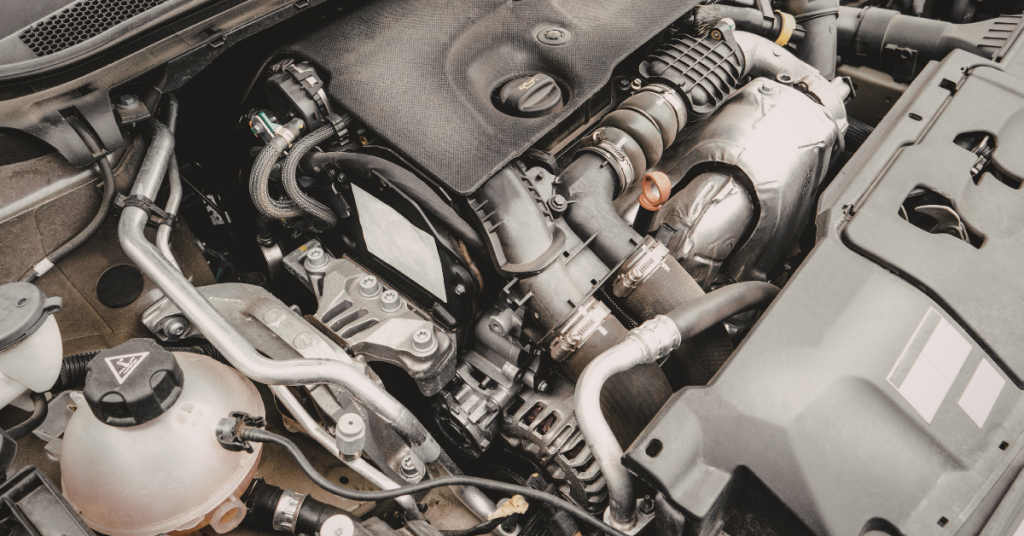
There’s a moment that every car owner dreads. The car coughs, the dashboard lights up like a Christmas tree, and the mechanic comes back with a long face. The engine is gone. Or it might as well be. Repairing it would cost more than the car is worth. The next conversation always lands in the same place. Replace the engine, or sell the car for scrap?
For plenty of drivers across South Africa, the answer comes down to maths. A second-hand replacement engine, fitted properly, often costs a fraction of buying another car. The vehicle they know and trust gets a second life. The decade of repairs and modifications they’ve put into it doesn’t go to waste. And the new monthly payments for another car never start.
This article walks through what drivers should think about when looking at replacement engines, what to look out for across different brands, and how to make the call that suits the car and the wallet.
Why Engines Fail in the First Place
The reasons engines die vary widely. Some go after years of skipped services, with sludge building up in the oil galleries until something seizes. Others fail because the timing belt snapped at the wrong moment, sending valves crashing into pistons in the kind of mess that mechanics call interference damage. Plenty of others give up because of head gasket failures that were missed early and ran on too long.
Heat is a common factor. South African summers push cooling systems hard. A radiator that’s been quietly clogging up for years can let the engine overheat just enough to warp the head, and from there things get expensive fast. Tow-truck drivers will tell you that overheating calls peak in December and January every year without fail.
Diesel engines bring their own set of issues. Modern common-rail diesels run high pressures and tight tolerances. A bad batch of fuel, a failed injector, or a turbo that lets metal shavings into the intake can write off an engine that was running perfectly the week before.
The German Marques
European cars have their own set of common failures, and the German marques sit at the top of the list for high-cost repairs.
Cars with BMW Engines carry a strong reputation for performance, but the older N47 diesels became famous for timing chain stretch issues that destroyed engines before 200,000 kilometres. The N20 and N55 petrol units have their own quirks around oil leaks and valve cover failures that catch out owners who skip services.
Audi Engines and VW Engines share many of the same blocks under different badges, with the 1.4 TSI and 2.0 TSI units being two of the most common across South Africa. The early TSI engines suffered from carbon build-up on the intake valves and timing chain tensioner failures. Owners with these cars often face replacement decisions in the 150,000 to 200,000 kilometre range.
Mercedes Engines tend to last longer than the BMW and Audi units of the same era, but the OM651 diesel had its own well-known problems with injector failures and timing chain rattles. When these go, the repair bills push plenty of owners into looking at replacement engines rather than rebuilding what they have.
The smaller German cars haven’t been spared. Mini Engines share components with the BMW range, which means they share some of the same failure points. Replacement units come up regularly in the second-hand market.
The Italian and French Marques
Italian and French cars carry a reputation for character. They also carry a reputation for needing more attention than their German cousins.
Cars with Alfa Romeo Engines tend to attract owners who love the brand for what it is. The maintenance bills are part of the deal. Replacement engines come up regularly in the second-hand market for older Giuliettas and 159s.
Fiat Engines sit across a wide range of small-car models, with the 1.4 and 1.6 petrol units being among the most common in South African traffic. Replacement parts are easy to find, which keeps repair costs reasonable when an engine swap becomes the right call.
Citroën Engines and Peugeot Engines share many of the same blocks, since the two brands run on the same Stellantis platforms. The HDi diesels were strong workhorses but turbo failures and DPF issues catch out owners who use the cars for short city trips only.
Renault Engines cover everything from the small 1.6 in the Sandero through to the 2.0 turbo in the Megane RS. The 1.5 dCi diesel is famous for high oil consumption when it ages, and replacement units come up regularly when the maths stops working out.
The British and Swedish Marques
Land Rover Engines sit in some of the toughest 4×4 vehicles on the market, which means they take serious punishment over their lives. The TDV6 in Discoveries and Range Rovers has been a workhorse for years, but cylinder liner failures and oil pump issues have sent plenty of owners looking for replacements past 250,000 kilometres.
Jaguar Engines share components with the Land Rover range under the same parent group. The supercharged V8 in the F-Type and XF is a beast of a unit when it works properly, but timing chain issues on the V6 diesels have hurt plenty of owners over the years.
Volvo Engines carry a Swedish reputation for going on forever. The older five-cylinder petrol units in the V70 and S60 ran well past 400,000 kilometres for plenty of owners. Newer four-cylinder Drive-E units are still proving themselves over the long haul.
The American Marques
Ford Engines cover a huge range across the South African market, from the small EcoBoost units in the Fiesta through to the 5.0 V8 in the Mustang. The 3.2 TDCi diesel in the Ranger has been one of the strongest sellers in the local market, and replacement units come up regularly for high-mileage workhorses.
Chevorlet Engines and Dodge Engines sit in fewer South African vehicles than they did in the past, but plenty of older Spark, Cruze, and Aveo cars still run on the road. Owners holding onto these models often look for replacement engines rather than scrapping cars they know well.
Jeep Engines sit in the Cherokee, Wrangler, and Grand Cherokee ranges that have been popular with off-road users for decades. The 3.6 Pentastar V6 has been a strong performer, while the older 2.8 CRD diesel had injector and turbo issues that sent plenty of owners hunting for replacements.
The Japanese Marques
Japanese cars have built their reputation on running forever with basic maintenance. That doesn’t mean engines never fail.
Toyota Engines sit in some of the most-driven vehicles in South Africa. The 2.7 petrol and 2.8 diesel in the Hilux are workhorses that hit 500,000 kilometres regularly, but high-mileage units do eventually need replacement. The KZ-TE and 1KD-FTV diesels have well-known issues with cracked heads and injector failures.
Nissan Engines cover the Navara, NP200, NP300, and X-Trail ranges that show up everywhere on local roads. The YD25 diesel in the Navara has been famous for premature wear on the camshafts, with replacement units coming up regularly in the second-hand market.
Honda Engines tend to last well past 300,000 kilometres with basic care, but the variable timing systems and chains can give trouble in older units. Replacement engines for Civics and CRVs come up when the repair bill exceeds the car’s value.
Mazda Engines sit in the BT-50 bakkie and the smaller passenger cars. The Skyactiv petrol units are still proving themselves on the long-term front. Older Mazda3 and Mazda6 owners sometimes need replacement units when the original wears out.
Mitsubishi Engines cover the Triton, Pajero, and ASX ranges. The 4M41 diesel in the Pajero has been a strong unit, but the smaller 4D56 in the Triton has well-known head gasket and injector issues that lead to replacement decisions.
Subaru Engines sit in fewer South African vehicles than they once did, but the Forester, Outback, and Impreza still have a loyal following. The boxer engine layout brings its own quirks, with head gasket failures being one of the more common issues.
Lexus Engines share much of their tech with Toyota counterparts but sit in more luxurious bodies. Repair costs run higher than equivalent Toyota work, which makes the second-hand replacement engine route a smart move for plenty of owners.
Suzuki Engines tend to be the smaller petrol units in the Swift, Jimny, and Vitara. These run well with basic care, but high-mileage examples eventually wear out and need swapping.
The Korean and Chinese Marques
Hyundai Engines and KIA Engines share platforms across the two brands. The 1.6 GDI petrol unit had a well-publicised issue with bearing failures that led to recalls, and replacement engines came up in big numbers for affected vehicles. Newer units have addressed these problems, but high-mileage examples still need attention.
Chery Engines and Haval Engines have grown in market share fast across South Africa over the past few years. Owners of older Chery models who want to keep their cars running often look for replacement units rather than buying new vehicles, which has built up a steady second-hand engine market for these brands.
The Korean and German Crossovers
Opel Engines sit in the Astra, Corsa, and older Vectra models that still run on local roads. The 1.4 turbo petrol has been a strong performer, while the older 1.7 CDTi diesel had its share of injector and turbo issues that sent owners hunting for replacements.
How to Pick a Replacement Engine
Buying a replacement engine isn’t a quick decision. A few things matter when shopping.
The age of the donor unit affects how long it will last after fitting. Newer pulled engines from low-mileage donor vehicles run better and longer than ones from high-mileage scrap cars. Asking about the source of the engine before buying gives a clearer picture of what you’re getting.
The compression test results tell the real story. Sellers who can show recent test results from each cylinder give buyers confidence that the engine isn’t hiding internal damage.
Warranty terms separate serious sellers from chancers. A proper second-hand engine should come with at least three to six months of warranty covering major internal failures. No warranty is a red flag.
Fitting costs run on top of the engine cost. Labour for a complete engine swap usually sits between R8,000 and R20,000 depending on the vehicle and the complexity of the work. Adding new gaskets, seals, hoses, and the timing kit can add another R3,000 to R8,000.
When Replacement Makes Sense and When It Doesn’t
The maths matters. A R15,000 engine plus R12,000 in fitting costs into a car worth R80,000 makes sense. The same money into a car worth R40,000 starts to look shaky.
Other factors come into the equation too. The condition of the rest of the car matters. A solid body, good tyres, fresh brakes, and a working gearbox all support the case for a new engine. A rusty body, soft suspension, and a slipping clutch all point at deeper costs that make the engine swap look less attractive.
The driver’s plans for the car also matter. Someone who plans to drive the car for another five or six years gets real value from a quality replacement engine. Someone who plans to sell within a year often does better putting the money toward a different vehicle.
Final Thoughts
A blown engine doesn’t have to mean the end of the road. Plenty of South African drivers have kept their cars running for years past the original engine’s life, with proper second-hand or rebuilt replacements doing the work that the originals couldn’t finish. The trick is finding quality stock, working with someone who knows the specific brand and model, and making sure the maths works for your specific car and your driving plans.
The car you know often beats the car you don’t. Replacement engines done right can give a vehicle another lease on life, with thousands of trouble-free kilometres still to come if the work is done properly. For plenty of drivers, that’s the smartest call when the original engine finally gives up.