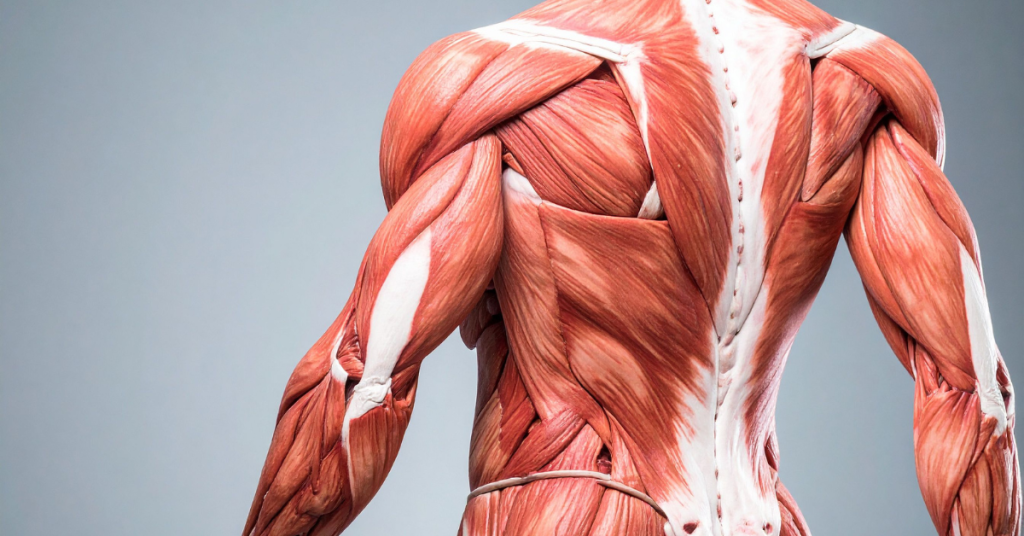
Putting on muscle isn’t just about lifting heavy things and hoping for the best. The body needs the right fuel, the right rest and a bit of patience. Most guys at the gym want bigger arms, a fuller chest and stronger legs – but they often stop short because they don’t pair their training with proper nutrition and support.
Anyone who has spent six months training without seeing real changes knows the frustration. Usually the missing piece isn’t more reps or heavier weights. It’s food and recovery.
Protein – The Building Block
Muscles tear during a hard session and rebuild during rest. That rebuilding needs amino acids, which come from protein. Steak, eggs, chicken and fish are great, but hitting the daily protein number through whole food alone is tough for most people.
That’s where whey protein earns its place. A scoop after training gives the body about 25 grams of protein in minutes, no cooking needed. This isn’t a shortcut. It’s a tool that fills the gap between what people eat and what their muscles need.
Protein powder comes in different forms – whey concentrate, isolate, casein and plant-based options for those avoiding dairy. Casein digests slowly, making it good before bed. Whey isolate has very little lactose and works well for sensitive stomachs.
A young guy training five days a week probably needs around 1.6 grams of protein per kilo of body weight. That’s 128 grams for an 80kg person. Anyone who has tried hitting that through chicken alone knows how much food it takes.
Mass Gainers for Hard Gainers
Some people just can’t eat enough. Their stomachs fill up fast, their appetites are small, and they spend three hours trying to finish a meal. For these people a mass gainer makes life easier.
A mass gainer supplement packs hundreds of calories, plenty of carbs and a strong protein hit into one shake. Drink it between meals or after training and the calorie problem starts to sort itself out.
Hyperbolic Mass is one option that has earned a strong following among South African lifters who want serious calorie support. Mixed with full-cream milk, one shake can deliver over 1000 calories – useful for anyone struggling to put on size.
Weight gain supplements work best for people with fast metabolisms or jobs that keep them on their feet all day. Construction workers, runners crossing over to lifting, teenagers going through growth – these are the typical users.
Protein shakes for muscle gain blur the line between basic shakes and full mass products. They pack more carbs than standard whey but less than an all-out gainer. A middle option for people who want to eat clean but still grow.
Creatine – The Most Studied Supplement
If anyone asks what one supplement is worth taking, the answer almost always comes back to creatine. Hundreds of studies back it up. It helps the muscles produce more energy during short, hard efforts – think squats, bench press and sprints.
Creatine monohydrate is the most affordable and best-studied form. Five grams a day, mixed with water or juice, taken at any time. Within a month most people feel stronger and look slightly fuller as muscles hold a bit more water.
It’s not a steroid. It’s a substance the body already makes in small amounts. Taking more of it through a powder simply tops up the stores so muscles can fire harder.
BCAAs and Recovery
BCAA products contain three amino acids – leucine, isoleucine and valine – that play a part in muscle repair. Training fasted? Sip on BCAAs during the session to protect muscle. Long workouts in the heat? Same answer.
For someone already eating plenty of protein, BCAAs are nice-to-have rather than must-have. For people training early before breakfast or cutting calories hard, they earn their spot in the gym bag.
Putting It All Together
Muscle building supplements work best as part of a full plan. Train hard three to five days a week. Eat enough protein. Sleep seven to nine hours. Drink water. Then add the products that fill the gaps in the routine.
A practical week looks like this: whey protein after each workout, creatine daily with breakfast, a mass shake on training days for those needing extra calories, BCAAs during long sessions if eating less. Simple, tested, and built on basics.
Anyone new to lifting should give themselves at least three months before judging results. Muscle takes time to build. Photos every four weeks tell a clearer story than the scale.
A Word on Real Expectations
Magazine cover bodies take years to build, not weeks. Most natural lifters can put on around 6-8kg of real muscle in their first year of proper training. After that, gains come slower. Setting that expectation early saves a lot of frustration.
The supplement aisle won’t replace bad training or poor eating. The basics still rule – good sleep, real food, hard sessions in the gym, and rest days. Add the right support products on top of that foundation and the results show up faster than expected.