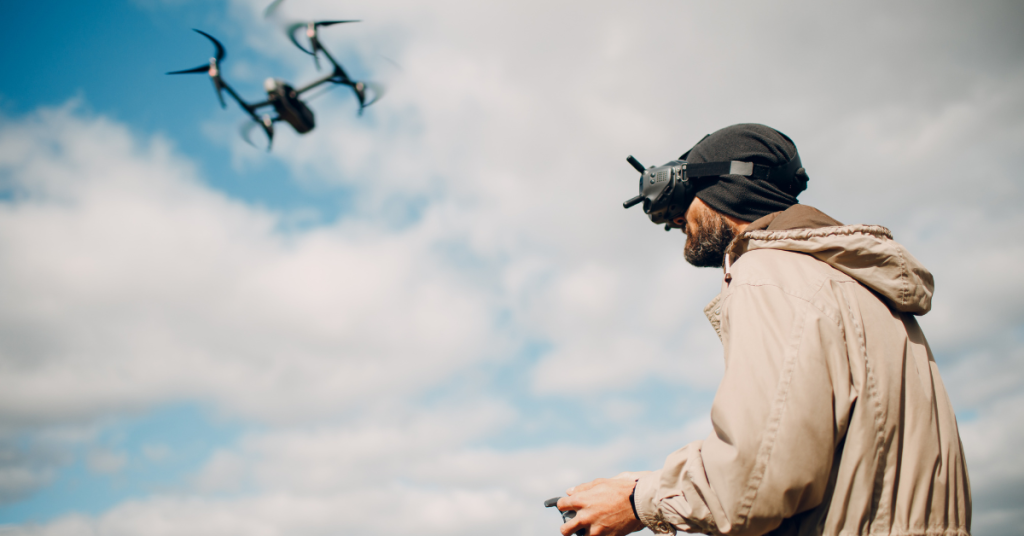
A few years ago drones were toys for hobbyists. Now they are working tools. Farmers use them to check crops. Film crews use them for shots that once needed a helicopter. Mines, security firms, and survey companies all put drones to work every day. That shift has created a whole new line of work, and trained pilots are in short supply.
The catch is that you cannot just buy a drone and start charging clients. South Africa has rules about flying drones for money, and you need the right training and licence to do it legally. That is good news for anyone willing to train, since it keeps the field professional and the demand strong.
Why You Need Proper Training
Flying a drone for fun in your back garden is one thing. Flying one for paying clients near buildings, roads, or people is another matter entirely. The Civil Aviation Authority has clear rules, and breaking them carries real fines.
A proper Drone Pilot Training course teaches you to fly safely and within the law. You learn air rules, weather, how to plan a flight, and what to do when something goes wrong mid-air. You practise real flying under the eye of an instructor, not just theory from a book.
The training also covers the boring but important stuff, like the paperwork and the safety checks you run before every flight. Skip those and you put people at risk. Do them right and you build a name as a pilot clients can trust.
What The Work Looks Like
Trained drone pilots have plenty of options. Farmers pay for crop checks and spraying. Estate agents want aerial photos of properties. Construction firms use drones to track progress on big sites. Security companies fly them over large properties at night. Wildlife teams even use them to track animals and catch poachers.
A good Drone Flight Course gives you the base skills to move between these jobs. Once you can fly safely and read the rules, the type of work you take on is up to you. Many pilots mix several income streams rather than relying on one client.
Take a farmer in the Free State as an example. He used to walk his lands or drive around them to spot problems with his crops. Now a pilot can fly over the whole farm in an hour and show him exactly where the trouble spots are. The farmer saves days of work, and the pilot gets paid for a morning’s flying. Both win.
What It Costs And What You Get Back
People always ask about the Drone Pilot Course Price before they sign up, which is fair. Training is a real cost. But look at it as money spent to start earning, not money lost. A trained, licensed pilot can charge proper rates for work that an untrained person legally cannot touch.
Think of it like getting your driver’s licence before you can work as a delivery driver. The licence costs something up front, yet it opens paid work you could not do without it. The same logic holds for UAV Drone Pilot Training. The qualification pays for itself once the jobs start coming in.
It helps to think about the gear too. A decent drone for paid work is not cheap, and you will want spare batteries and a way to back up your footage. Some pilots start small and put their early earnings back into better equipment. Plan for these costs from the start so there are no surprises.
Who It Suits
This field suits people who like tech and do not mind working outdoors. You need a steady hand, a calm head, and respect for the rules. You do not need a degree. What matters is that you take the training seriously and build real flying hours.
It suits people starting out as well as those adding a new skill to an existing business. A photographer might add drone work to offer aerial shots. A farmer might train so he can check his own lands without hiring anyone. A Drone Course fits both the newcomer and the person broadening what they already do.
A Field That Is Still Young
Here is what makes this work interesting. Drones are still new enough that the market is not packed with pilots. In many towns there are only a handful of trained operators, sometimes none at all. That leaves room for someone willing to train now and build a name before everyone else catches on.
The uses keep growing too. A few years back, crop spraying by drone was rare. Now it is becoming normal on bigger farms. Delivery firms are testing drones for parcels. As the tools get better and cheaper, more businesses will want pilots who know what they are doing. Getting in early puts you ahead of that wave.
Building A Business Around It
A lot of trained pilots do not work for one company. They run their own small operation instead. They pick up jobs from farmers in one week and a property shoot the next. This suits people who like being their own boss and setting their own hours.
To make that work, you need more than flying skills. You need to know how to find clients, how to price a job fairly, and how to deliver clean footage that the client can actually use. Good training touches on this side too, not just the flying. Some pilots team up with photographers or surveyors so they can offer a fuller service. Others stick to one thing they do really well, like roof inspections for insurance firms, and build a steady stream of repeat work. There is no single right way to do it. The point is that the licence and the skills give you the freedom to build the kind of work that fits your life.
Picking A School
Choose a training provider that is properly accredited and whose certificate the authorities recognise. Ask how much real flying time you get, who the instructors are, and whether they help you with the licensing paperwork afterwards. A school that walks you through the legal side as well as the flying gives you far better value.
Speak to past students if you can. The ones who are already earning will tell you straight whether the course was worth it. That kind of honest word is worth more than any sales pitch.
Drones are not a passing craze. They are tools that more and more South African businesses depend on. Get trained, get licensed, and you step into a field that is still young and short on skilled hands. That is a rare and useful spot to be in.