Setting up a home gym or kitting out a small training studio can cost a fortune if you buy everything brand new. The good news is that you don’t have to. There is a strong market for second-hand machines and iron all over California, and plenty of people have built solid setups for a small slice of the retail price.
Let me walk through what you need to know before you spend a dollar.
Why second-hand makes sense
New fitness gear carries a big markup. A treadmill that sells for $2,500 in a shop might go for $900 a year later, barely touched, from someone who bought it during a New Year’s resolution and then let it gather dust in the spare room. That story plays out all the time, from San Diego up to the Bay Area.
Gyms close down as well. When a commercial spot shuts its doors, all that heavy-duty kit has to go somewhere. That is where buyers like you can pick up serious bargains. Many people hunt for used gym equipment for this exact reason, and the savings can run into thousands of dollars.
What holds up and what doesn’t
Not all second-hand fitness gear ages the same way.
Bars, dumbbells, kettlebells and bumper plates last almost forever. Cast iron and steel don’t really wear out. A 45-pound plate from 1995 does the same job as one made last month. You can scratch it, drop it, leave it out in the rain, and it still works. This is the safest stuff to buy used.
Squat racks, power racks and benches hold up well too. The main things to check are the welds and the bolts. Give the frame a good shake. If it wobbles or you spot cracks near a joint, walk away.
Cardio machines are trickier. Treadmills, ellipticals and rowers have motors, belts and moving parts that wear down over time. A treadmill that has done heavy mileage might have a worn belt or a tired motor. Always ask to see it running before you hand over money. Listen for grinding sounds and watch for a belt that slips or sticks.
Where to look
There are a few solid spots for tracking down deals.
Marketplace apps and classified sites are the obvious first stop. Facebook Marketplace, Craigslist, OfferUp and local buy-and-sell groups are full of listings every day. Search for used gym equipment for sale and you will find pages of options in most California cities and towns.
Specialist dealers are worth a look if you want a bit more peace of mind. Some businesses buy old kit from closing gyms, fix it up, and sell it on with a short warranty. You pay a little more than a private seller, but you get backup if something breaks in the first month.
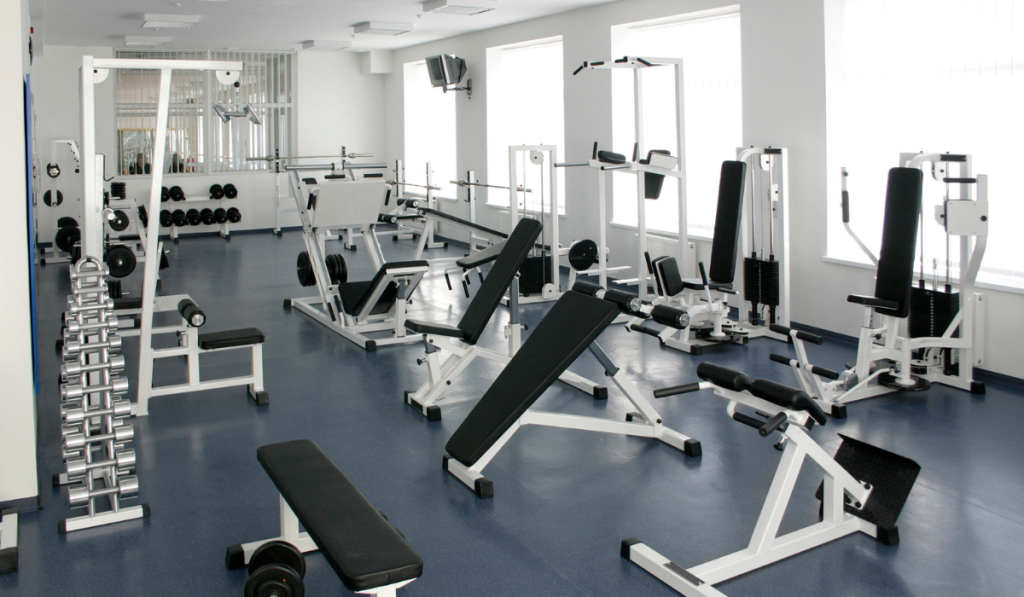
When a fitness chain refurbishes a branch or shuts down completely, the heavy machines flood the market. That is the best time to grab Used commercial gym equipment, which is built far tougher than the home versions and stands up to years of daily punishment.
Checking before you buy
A few quick checks save you from a bad deal.
For bars and plates, roll a barbell on a flat surface. If it wobbles, it is bent, and a bent bar is no good for lifting. Check that the sleeves spin smoothly. Surface rust is fine and wipes off, but deep pitting is a problem you want to avoid.
For racks and benches, test every bolt and pin. Bring a wrench if you can. Sit on the bench and rock side to side. Padding can be re-covered cheaply, so torn vinyl is not a deal-breaker, but a bent frame is.
For machines with cables and pulleys, pull every cable through its full range. Frayed cables snap, and a snapping cable under load is dangerous. Cables can be swapped out, so factor that cost in if you still want the machine.
For anything with a motor, plug it in and run it for a few minutes. Cold motors can hide faults that only show up once things warm up.
Working out the real cost
The sticker price is only part of the story. Big machines are heavy and awkward. A power rack can run over 200 pounds, and a leg press far more. You will need a pickup truck or a van, plus a couple of strong friends or a hired crew to move it. Factor transport into your budget before you commit.
Some sellers will help load. Others expect you to sort it out yourself. Ask up front so there are no surprises on pickup day.
Spare parts matter too. A no-name treadmill from a brand that has vanished might be impossible to repair when the belt goes. Stick to names you recognize, or at least check that parts can be found locally.
Building a smart setup on a budget
If you are starting from scratch, spend your money where it counts.
Put most of your budget into a solid rack, a good barbell and a set of plates. These are the backbone of almost any strength routine, and they last decades. Buy them new if your budget allows, since they take the most abuse, or buy lightly used from a trusted seller.
Save money on the extras. Benches, dumbbells, kettlebells and small accessories are easy to find second-hand in good shape. There is no shame in a mismatched set of dumbbells if they all work fine.
Add cardio last. A treadmill or a bike is nice to have, but you can run outside or skip rope for next to nothing while you save up for one. California weather makes outdoor training easy most of the year, so there is no rush on the machines.
A word on safety
Cheap gear is a false saving if it hurts you. A rack that collapses under a loaded barbell can cause a serious injury. A frayed cable that snaps mid-rep can do real damage. Spend the extra hundred dollars on the parts that hold heavy loads over your body. Save your cash on the bits that don’t.
Always set up your gear on a flat, solid floor. Rubber matting protects both your floor and your plates, and it softens the drops. Old gym tiles often come up for sale when a gym closes, so keep an eye out for those as well.
Final thoughts
Kitting out a gym does not have to drain your bank account. With a bit of patience and a careful eye, you can put together a setup that rivals a commercial floor for a small fraction of the cost. Check everything before you pay, stick to brands you trust for the parts that take strain, and don’t rush the process. The right deal comes around for buyers who wait.
Start with the basics, build slowly, and you will end up with a space you actually want to train in, minus the hefty price tag.