A treadmill is one of the most popular pieces of home cardio gear, and one of the most common things people give up on. That second part is good news for you. It means there are loads of barely run machines sitting in garages and spare rooms all over California, waiting for a new owner at a fraction of the shop price.
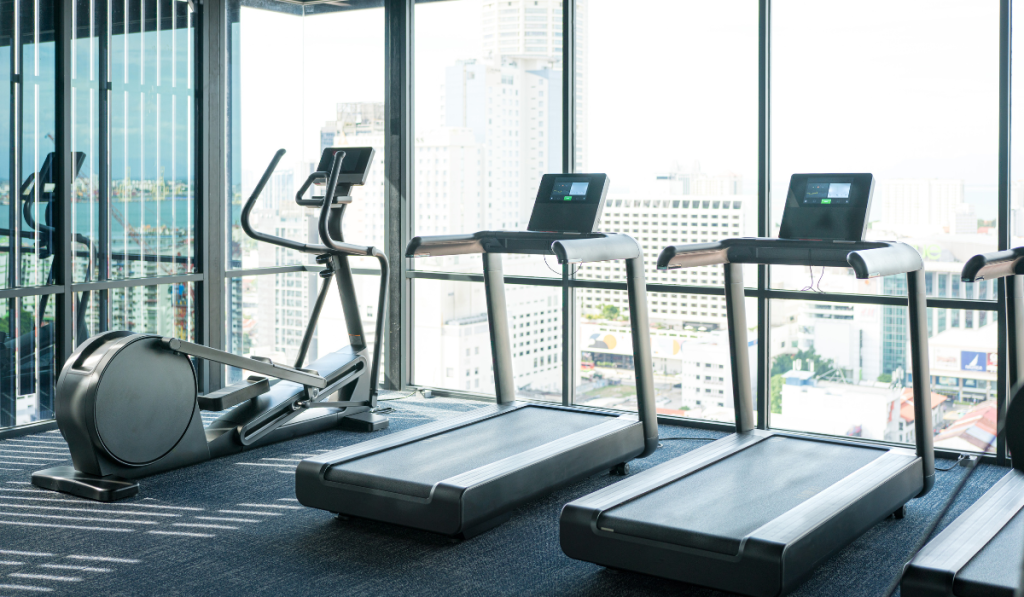
Let me walk you through how to buy one without ending up with a heavy, broken mess in your living room.
Why buy used in the first place
A decent new treadmill can run anywhere from $800 to over $3,000. That is a big ask for a machine many people stop using after a few months. When that happens, the owner often just wants it gone, and they will let it go for a steep discount.
I have seen near-new machines sell for less than half their original price simply since the seller needed the floor space back. One friend in Sacramento picked up a high-end model for $400 that had cost the first owner more than $2,000. It had maybe twenty miles on it.
So if you are patient and willing to look around, a used machine can save you a serious chunk of cash. People search for used treadmills for sale every single day, and the deals are out there if you know what to check.
The catch with motors and belts
Here is the thing that trips up first-time buyers. A treadmill is not a simple object. It has a motor, a running belt, a deck, rollers and a control board. Any of those can wear out, and some are costly to replace.
The motor is the heart of the machine. A worn motor will struggle at higher speeds, smell hot, or cut out under a heavy runner. Always run the machine before you pay. Stand on it, take it up to a jogging pace, and listen. A healthy motor hums steadily. A bad one whines, grinds, or hesitates.
The belt is the next thing to look at. Over time a belt wears thin and the deck underneath gets worn smooth. Run your hand along the belt (with the machine off and unplugged) and feel for rough patches or fraying at the edges. A new belt is not the end of the world, but it adds cost and effort.
Where to find them
There are a few solid places to hunt.
Marketplace apps and classified sites are the first stop. Facebook Marketplace, Craigslist and OfferUp are full of listings across the state, from Los Angeles to the Bay Area. You can filter by distance and price, message the seller, and set up a viewing fast.
Estate sales and moving sales are a quieter goldmine. People clearing out a house often price big items to move quickly. A treadmill that nobody wants to carry down the stairs can go for next to nothing.
Gyms and hotels swap out their cardio gear on a schedule. When they refresh a floor, those machines get sold off. Commercial-grade units are built far tougher than home models, so a used commercial unit can outlast a brand new budget one. Keep an eye on local auction sites and fitness resellers for these.
When you start your search for used treadmills, cast a wide net across a few of these spots rather than waiting for the perfect listing in your own neighborhood.
What to check before you hand over cash
Run through this short list with every machine you look at.
First, plug it in and turn it on. Check that the display lights up and every button responds. A dead console can be hard and pricey to fix.
Second, walk on it at a slow pace, then bump up the speed. The belt should move smoothly and stay centered. If it slips, sticks, or drifts to one side, the belt or rollers may be worn.
Third, test the incline. Press the buttons and watch the deck rise and fall. A stuck incline motor is a common fault on older machines.
Fourth, check the frame and the folding mechanism if it has one. Push on it. A wobbly frame or a folding latch that does not click into place is a safety problem.
Fifth, look underneath and behind. Dust is fine. Oil leaks, rust, or chewed cables are warning signs.
If the seller will not let you test the machine fully, take that as a red flag and walk away.
Working out the true cost
The price tag is only the start. Treadmills are big and heavy, often 150 to 250 pounds. You will need a pickup truck or a van and at least one strong helper to move one safely. Many a buyer has shown up in a sedan and had to leave empty-handed.
Ask the seller whether the machine folds, and measure your doorways and stairs before you go. A treadmill that does not fit through your door is a costly mistake.
Factor in any repairs too. A replacement belt might cost $80 to $150 plus your time. A new motor or control board can run into the hundreds, which sometimes makes a “bargain” no bargain at all.
A word on safety and upkeep
Once you get your machine home, a little care goes a long way. Wipe it down after each run, keep it out of damp garages where rust sets in, and lubricate the belt every few months with proper silicone treadmill oil. This simple habit keeps the motor from straining and stretches the life of the deck.
Set the machine on a flat, solid floor. A rubber mat underneath cuts down on noise, catches sweat, and protects your flooring. It even stops the unit from creeping across the room as you run.
If you buy a used treadmill that is a few years old, swapping in a fresh belt right away is often worth it. You get smoother running and peace of mind for a small outlay.
Final thoughts
Buying second-hand cardio gear is one of the smartest ways to kit out a home gym without draining your savings. The trick is to slow down, run every machine before you pay, and budget for moving and small repairs. Stick to that, and you can walk away with a solid machine for a price that makes brand new buyers wince.
Be patient, check everything, and the right deal will turn up. Your knees, and your bank balance, will thank you for it.