Moving away from home for university is a big step. For many students, it is the first time living independently. One of the most pressing questions is where to stay. The right living situation can make studying easier, and the wrong one can add stress to an already demanding time.
Student Accommodation has become a major industry in South Africa. Universities attract thousands of students each year, and not all of them can stay in traditional residence halls on campus. This has created demand for private housing options that cater specifically to students.
What Students Actually Need
Students have different needs compared to regular renters. They need a place close to campus or with easy transport links. They need reliable internet for assignments and research. They need a quiet space to study but also common areas where they can socialise and take breaks.
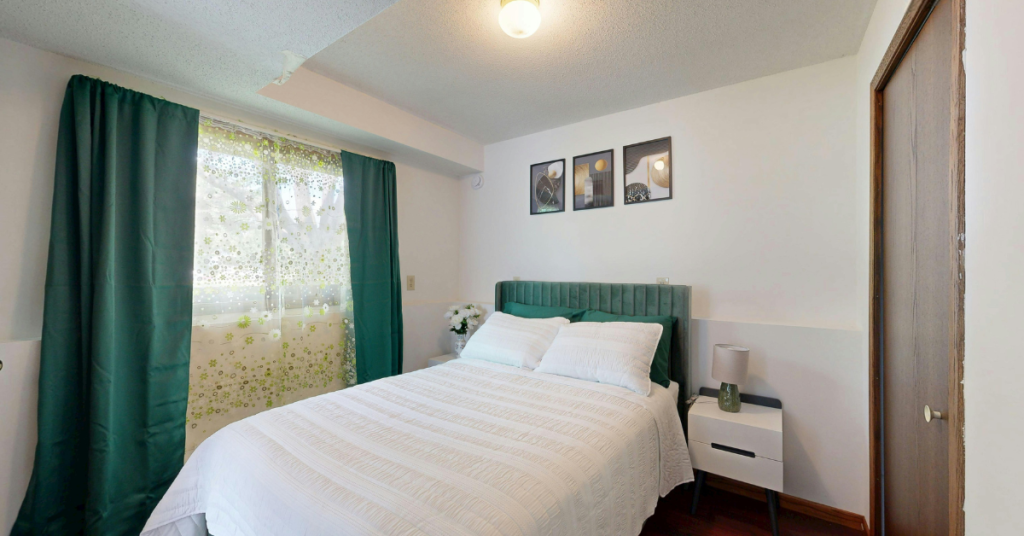
Student Apartments are designed with these needs in mind. They often come furnished, which saves students the trouble and cost of buying furniture. Many include utilities in the rent, making budgeting simpler. Some even offer meal plans or communal kitchens where students can prepare their own food.
Security is another big factor. Parents want to know their children are safe, and students want to feel comfortable in their living space. Good Student Housing providers invest in security measures like access control, CCTV cameras, and on-site staff.
Options Across the Country
Student Accommodation in South Africa varies depending on the city and the university. Each location has its own character, price range, and availability. Knowing what to expect in different areas helps students and their families plan ahead.
Gauteng Province
Johannesburg is home to several major universities, including the University of the Witwatersrand and the University of Johannesburg. Student Accommodation in Johannesburg ranges from shared flats to purpose-built student residences. The city offers plenty of options, but competition for good spots can be fierce, especially close to exam periods when next year’s intake starts booking.
Braamfontein is one of the most popular areas for students in Johannesburg. It sits right next to Wits University and has a youthful energy with cafes, bookshops, and creative spaces. Student accommodation in braamfontein puts students within walking distance of campus, libraries, and social spots. This saves money on transport and makes late-night study sessions more practical.
Pretoria
The University of Pretoria and Tshwane University of Technology draw students from across the country. Pretoria Student Accommodation is concentrated in areas like Hatfield, which has developed into a proper student hub over the years.
Student accomodation in hatfield is popular for good reason. The area has restaurants, shops, and entertainment options all geared towards students. It is close to campus and has good public transport links for those who need to travel further.
Cape Town
The University of Cape Town and Stellenbosch University attract students who want to study in the Western Cape. Student accommodation in Cape Town comes with the added benefit of living in one of the most beautiful cities in the world. The mountains, beaches, and general atmosphere make it a desirable place to spend three or four years.
The downside is that Cape Town can be expensive. Students on tight budgets need to plan carefully and book early to secure affordable options. Sharing with flatmates is common and helps bring costs down.
Funding Your Accommodation
For many South African students, the National Student Financial Aid Scheme provides a lifeline. NSFAS covers tuition fees and living expenses for qualifying students. This includes accommodation costs, but there is a catch. The accommodation must meet certain standards.
NSFAS accredited accommodation has been verified to meet the requirements set by the funding body. This means it provides acceptable living conditions, security, and proximity to campus. Students using NSFAS funding should check that their chosen accommodation is on the approved list before signing any contracts.
Accreditation matters for another reason too. It gives students some assurance about the quality of the accommodation. A provider that has gone through the accreditation process is more likely to maintain good standards than one that has not.
How to Start Your Search
Finding the right place takes time and effort. Starting early gives students more options and better bargaining power. Waiting until the last minute often means settling for whatever is left, which might not be ideal.
When searching for student accommodation near me, students should think about what matters most to them. Is it price? Location? Facilities? Social atmosphere? Different people have different priorities, and being clear about these helps narrow down the choices.
Visiting in person is always better than relying only on photos and descriptions. Pictures can be misleading, and a place that looks great online might feel different in reality. Walking around the neighbourhood gives a sense of safety, convenience, and whether it feels like a place worth calling home for the next few years.
Questions Worth Asking
Before signing a lease, students should ask plenty of questions. What is included in the rent? Are there extra costs for electricity, water, or internet? What happens if something breaks? Is there a deposit, and under what conditions is it returned?
Understanding the lease terms prevents surprises later. Some landlords lock students into year-long contracts with no way out. Others offer more flexible arrangements. Knowing the rules upfront avoids problems down the line.
It helps to talk to current or former tenants if possible. They can share honest opinions about what it is really like to live there. Management might promise great things, but the people actually living in the building know the truth.
Making the Most of Student Living
Living away from home teaches independence. Students learn to manage their own schedules, cook their own meals, and handle problems without parents stepping in immediately. These skills last long after graduation.
The social side of student accommodation should not be overlooked either. Living with other students creates opportunities to make friends, form study groups, and build networks that can help later in life. Some of the strongest friendships begin in shared kitchens and common rooms.
Choosing the right accommodation sets the tone for the entire university experience. A good living situation supports academic success and personal growth. A bad one creates stress and distraction. Taking the search seriously pays off in ways that go far beyond just having a roof overhead.