Most people grow up using spray perfumes and assume that is the only option. The alcohol-based spray has been the default for so long that many buyers have never even considered the alternative. But oil based perfumes have been around for centuries, long before alcohol-based sprays existed, and they are making a strong comeback for good reasons. They last longer on the skin, they sit closer to the body, and they often cost less per wear than a traditional spray.
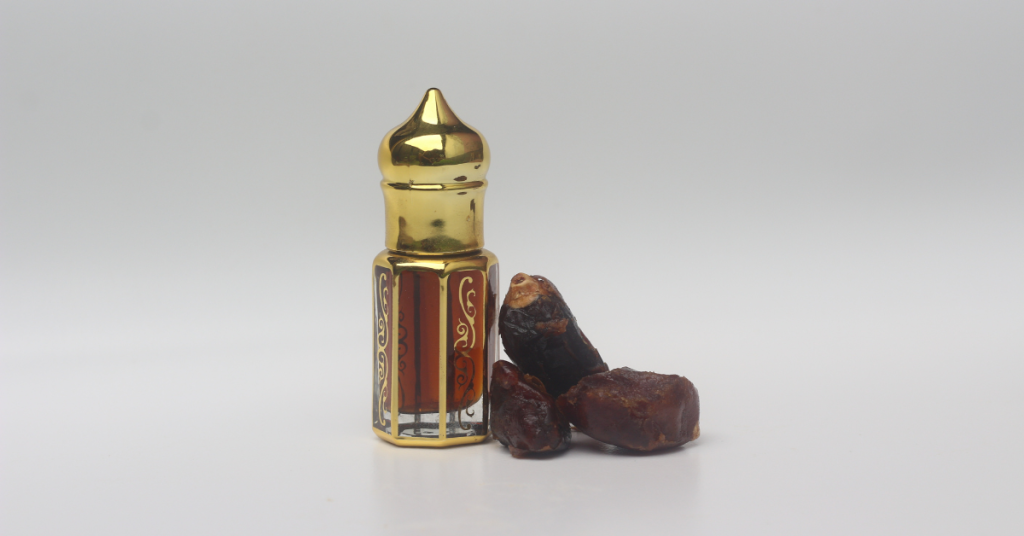
How Oil-Based Perfume Differs from Spray Perfume
A standard spray perfume uses alcohol as the carrier for the fragrance. When you spray it on, the alcohol evaporates quickly and projects the scent into the air. That initial burst is what gives spray perfumes their strong first impression. The downside is that the alcohol takes some of the fragrance with it as it evaporates, which is why many sprays fade within a few hours.
Perfume oils skip the alcohol entirely. The fragrance is dissolved in a carrier oil, usually a light, skin-safe oil like jojoba, sweet almond, or fractionated coconut oil. When applied to the skin, the oil absorbs slowly and releases the scent gradually over the course of the day. There is no harsh alcohol blast at the start, and the fragrance tends to stay closer to the skin rather than filling an entire room.
This “skin scent” quality is one of the biggest differences. An oil-based perfume creates a personal bubble of fragrance that people notice when they are close to you, not from across the room. For anyone who prefers a more subtle, intimate scent experience, this is a major selling point.
Why Oil-Based Perfumes Last Longer
The staying power of oil-based fragrance comes down to how the product interacts with the skin. Alcohol is a volatile solvent. It evaporates fast, and as it goes, it takes fragrance molecules with it. That is why a spray perfume can smell strong for the first hour and then fade noticeably by lunchtime.
Oil does not evaporate the same way. It sits on the skin and absorbs slowly, keeping the fragrance molecules in contact with the skin for much longer. A well-made scented oil perfume can last eight to twelve hours or more, depending on the concentration and the wearer’s skin type. People with drier skin sometimes find that oil-based scents perform even better than sprays, since the oil adds a layer of moisture that helps the fragrance cling.
The longevity advantage means fewer reapplications during the day. A single morning application can carry through to the evening, which is something most alcohol-based sprays struggle to do without a midday top-up.
The Cost Argument
Spray perfumes from well-known fragrance houses can cost anywhere from R500 to R3,000 or more for a 50ml to 100ml bottle. A significant portion of that price goes toward the brand name, the bottle design, the packaging, the advertising, and the retailer’s margin. The actual fragrance oil inside the bottle makes up a surprisingly small percentage of the total cost.
Oil-based perfumes strip away most of those extras. The bottles are simpler, the packaging is less elaborate, and the marketing budgets are smaller. What you are paying for is the fragrance itself, concentrated and ready to wear. A 10ml roll-on of oil-based perfume that costs R150 to R300 can deliver as many wearings as a 50ml spray that costs three or four times as much, simply because each application uses less product and lasts longer.
For South African buyers watching their budgets, this makes oil-based perfumes a practical choice. The per-wear cost is often a fraction of what a spray perfume works out to, and the quality of the scent can be just as good or better.
How to Apply Oil-Based Perfume
Application is different from a spray. Most oil-based perfumes come in roll-on bottles or small vials with a dabber. The technique is straightforward.
Apply a small amount to the pulse points: the wrists, behind the ears, the base of the throat, the inner elbows, and behind the knees. These areas generate body heat, which warms the oil and helps the scent develop and project gently throughout the day.
Do not rub the oil in aggressively after applying. A gentle dab or a light press of the wrists together is enough. Rubbing creates friction and heat that can break down the top notes of the fragrance, shortening the scent’s development on the skin.
A little goes a long way. Oil-based perfumes are concentrated, so two or three small dabs are usually enough for a full day. Over-applying will not make the scent last longer. It will just make it heavier and potentially overwhelming to people nearby.
Choosing the Right Scent
The same scent families that exist in spray perfumes are available in oil-based versions. Florals, orientals, woody scents, fresh citrus blends, and gourmand fragrances built around vanilla, caramel, or chocolate notes are all common.
One thing that often surprises first-time buyers is how different a scent can smell in oil form compared to the spray version. The absence of alcohol changes the opening of the fragrance. Without the alcohol blast, the top notes are softer and the transition into the heart and base notes is smoother. Some people find they prefer the oil version of a scent they already know from the spray, simply because the scent develops more naturally on the skin.
Testing is still the best approach. Apply a small amount to the wrist and give it at least thirty minutes to develop before deciding. The dry-down is where the character of the fragrance really shows itself, and rushing the decision based on the first impression often leads to disappointment.
For buyers in South Africa, the range of perfume oils SA retailers carry has grown significantly. Local sellers now stock oil-based versions of popular scent profiles alongside original blends that are not available anywhere else. The choice is wider than it was even a few years ago.
Storing Oil-Based Perfume
Proper storage extends the life of any fragrance, but it matters even more for oil-based products. Heat and light break down fragrance oils over time, changing the scent and reducing its potency.
Keep bottles in a cool, dark spot. A drawer, a cupboard shelf, or a bedside table away from direct sunlight all work well. Avoid leaving bottles in the car, on a windowsill, or in the bathroom. The temperature swings and humidity in those spots speed up degradation.
Tightly sealing the bottle after each use prevents air from getting in and oxidising the oil. Roll-on bottles handle this well since the ball limits air exposure. Dabber-style vials need to be capped firmly.
With proper storage, a high-quality oil-based perfume can maintain its scent for two to three years without noticeable decline. Some heavier, resinous scents like oud, amber, and sandalwood can last even longer and may actually improve with age, much like wine.
Who Should Try Oil-Based Perfumes
Anyone who has been frustrated by spray perfumes fading too fast will appreciate the staying power of oils. People with sensitive skin who react to the alcohol in sprays often find that oil-based alternatives cause no irritation at all, since the carrier oils are gentle and skin-friendly.
Buyers who want good scent quality without paying luxury brand prices will find that oil-based perfumes deliver on both fronts. And anyone who prefers a more personal, close-to-the-skin fragrance rather than a loud projection will enjoy the way oils wear.
Fragrance oils for perfume are not a niche curiosity anymore. They are a legitimate, practical alternative to traditional sprays, with real advantages in longevity, cost, and skin-friendliness. For South African buyers looking for value without compromising on scent quality, oil-based perfumes are worth a serious look.