Contracts are a part of running any business. Whether you’re dealing with clients, suppliers, or partners, clear agreements are needed to keep things moving smoothly. But managing contracts manually is slow, risky, and easy to get wrong. That’s where tools like contract management software come in.
What Contract Management Software Does
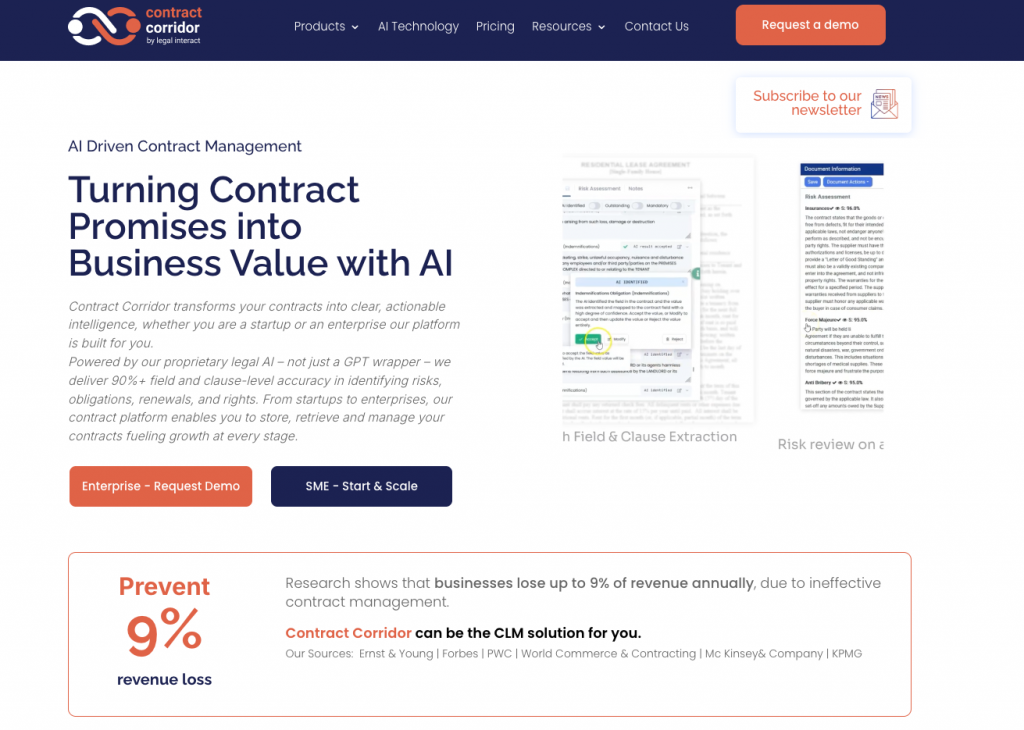
Contract management software helps businesses organise, track, and manage contracts in one place. Instead of digging through old emails or hard drives to find the latest version of an agreement, everything is stored, updated, and shared from a central system.
This kind of software keeps records safe and makes them easy to search. You can see contract dates, who signed them, when they expire, and more — all without opening a single PDF. Most systems also allow for electronic signing, which speeds up the process even more.
The software doesn’t just store contracts. It helps with reminders, compliance, and approvals. If a contract needs to be renewed in 60 days, the system will notify the right people. If a clause is flagged for review, you’ll know before anything goes wrong.
The Importance of the Full Contract Lifecycle
The process of managing a contract doesn’t stop when it’s signed. From first draft to final signature, and even post-signature renewals and audits, every stage matters. That’s why many companies now use contract management lifecycle software to cover the whole process.
This software handles all stages of the contract, from creation and negotiation to approval and tracking. It keeps records of every change, stores different versions, and logs who made edits and when. That way, there’s always a clear trail in case anything needs to be checked later.
It also helps with workflows. For example, when a new vendor contract is created, it can automatically go to legal for approval, then to finance, then to the director for final sign-off. No one has to manually email or follow up.
Common Problems Without a Proper System
Many businesses still use spreadsheets, shared drives, and email to manage contracts. While this might work for a while, it eventually becomes messy and hard to manage.
Here are a few common problems that come up:
- Contracts expire without notice
- Signed copies are lost or outdated
- Different departments use different versions
- Approvals take too long or get missed
- People forget renewal dates
These problems lead to missed deadlines, legal issues, and even lost revenue. That’s why using the right system matters.
Benefits of Contract Management Systems
Good contract management systems help businesses stay organised. They reduce risk, save time, and give teams more control over their documents.
Other benefits include:
- Faster approvals and renewals
- Fewer mistakes with version control
- Better visibility into all active contracts
- Easier collaboration across teams
- Legal compliance with less manual work
Most modern systems are cloud-based, so your team can access contracts from anywhere. This is useful for remote teams or companies that work across locations.
Why South African Businesses Are Making the Switch
Across South Africa, more companies are moving away from paper and manual processes. Tools like contract management software South Africa are helping local businesses work smarter without spending hours on admin.
From finance to healthcare, companies of all sizes are making the switch. Many do it after missing a deadline or losing a key document. Others just want to work faster and be more organised.
The software is also becoming more affordable and easier to use. You don’t need an IT team to set it up. Many systems are ready to go within a day or two.
Real-World Use Case: How This Helps
Let’s say your business signs 20 new client contracts a month. Each contract needs to be reviewed by legal, approved by a manager, and signed by the client. Without a proper system, this process can take days or even weeks.
With a contract tool in place, the process becomes much quicker. Legal gets notified automatically. Approvers are sent a link to approve. The client signs online, and the system saves everything in one place.
When the contract is about to expire a year later, the system sends a reminder. You can check if the client wants to renew, update the agreement, or let it expire — all without digging through your inbox.
What to Look for in a Contract Tool
Not all software is the same. If you’re looking to get started, here’s what to look for:
- Easy upload and organisation of contracts
- Automatic reminders for key dates
- Secure cloud storage
- User permissions and access control
- E-signature options
- Searchable contract fields (like dates, names, and terms)
- Workflow automation for approvals and reviews
Before choosing a system, think about how your business works. If your contracts involve many people and stages, look for tools that support workflows. If you just need storage and reminders, simpler systems can still help a lot.
Who Should Use Contract Software?
Contract software isn’t only for big companies. In fact, small and medium businesses often benefit the most because they have less time, fewer staff, and tighter resources. Even if you’re only managing five or ten contracts at a time, it can still get messy fast. The more contracts you handle, the more likely it is something will slip through the cracks — and that can cost you.
With the right tools in place, even small teams can stay organised and avoid costly mistakes. Things like missed deadlines, expired contracts, or unpaid invoices become easier to track. Contract management software helps bring structure without needing a full legal or admin department.
This is also true for industries that deal with regular paperwork. Let’s take a closer look:
- Legal firms need access to hundreds of client contracts, NDAs, and service agreements. Managing version history and signatures can be a headache without a proper system.
- Finance companies must keep clear records for audits and compliance. Having everything centralised makes reviews quicker and reduces stress during reporting.
- Construction businesses handle multiple vendors, suppliers, and sub-contractors. Good contract tracking reduces disputes and delays.
- Healthcare providers rely on agreements with doctors, partners, and insurers. Expired licences or contracts can lead to legal issues.
- Real estate agencies manage lease agreements, sale mandates, and client paperwork. Finding what you need fast is key.
- Consultants often work project-to-project with short-term contracts. These need to be created, signed, and stored regularly.
- IT services companies manage ongoing support agreements and SLA documents, which must be renewed and tracked carefully.
No matter the size or sector, using proper contract management systems gives you a clear record of what’s signed, what’s active, and what needs attention. Even if you only handle a few contracts a month, a tool that keeps everything in one place is worth it.
Final Tip
Manual contract tracking doesn’t cut it anymore. Too much gets lost or forgotten. With proper contract management software, businesses can stay on top of every agreement and avoid small mistakes that lead to big problems.