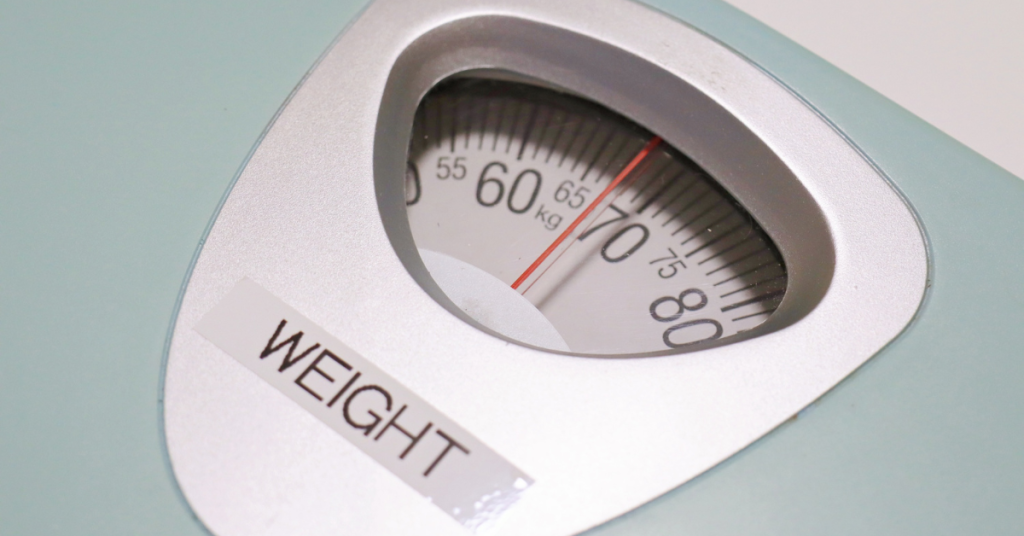
Most people who want to get fitter or lose fat start by stepping on a bathroom scale. You look down, see a number, and either feel great or feel terrible. But here’s the thing: that number tells you almost nothing about what’s actually going on inside your body.
Two people can stand at the same height and show the same number on the scale, but one could have significantly more muscle mass and less body fat than the other. The scale doesn’t care about the difference between muscle, fat, water, and bone. It just gives you one flat number.
That’s where body composition testing comes in. And if you want accuracy, not guesswork, a DEXA scan is one of the best tools available right now.
What a DEXA Scan Actually Does
DEXA stands for Dual-Energy X-ray Absorptiometry. It sounds complicated, but the process itself is quite simple. You lie on a table, fully clothed, and a low-dose X-ray arm passes over your body. The whole thing takes about 10 to 15 minutes.
What you get back is a full breakdown of your body. Not just total body fat percentage, but a region-by-region map. You can see exactly how much fat sits around your midsection, your arms, your legs, and everywhere else. You also get a clear reading of your lean muscle mass and your bone mineral density.
This is the kind of detail that bathroom scales and even those fancy body fat monitors simply can’t give you. They estimate. DEXA measures.
Why People in Australia Are Getting Scanned
Across Australia, more and more people are booking body scans to get a clear picture of where they stand. Whether you’re an athlete trying to track lean muscle gains, someone managing a weight loss plan, or a person over 50 who wants to check bone density, the demand is growing fast.
If you’re based in New South Wales, getting a DEXA scan Sydney appointment is fairly straightforward. There are clinics in the city centre that offer scans during the week and on weekends, making it easy to fit into a busy schedule.
Same goes for Queensland. A DEXA scan Brisbane session can give you all the same data, with trained staff who walk you through your results and help you understand what the numbers mean for your specific goals.
More Than Just Fat Percentage
One thing people don’t always realize is that a DEXA scan gives you much more than a body fat percentage. Here are some of the things you learn from a single session:
Your visceral fat measurement. This is the fat that sits around your organs, deep inside your belly. You can’t see it from the outside, and you can’t pinch it. But it’s one of the strongest indicators of long-term health risk. High visceral fat levels are linked to heart disease, type 2 diabetes, and other serious conditions.
Your bone mineral density. This matters a lot as you age. Low bone density can mean a higher risk of fractures and conditions like osteoporosis. Catching this early gives you the chance to do something about it, whether that’s adjusting your diet, starting a strength training program, or talking to a doctor.
Your muscle distribution. Are your left and right sides balanced? Is one leg carrying more muscle than the other? These kinds of imbalances can lead to injuries over time, and they’re the sort of thing you’d never spot without proper testing.
Pairing DEXA With Cardio Testing
Getting a body composition snapshot is a great starting point. But if you want to know how well your body actually performs, you should think about adding a VO2 max test to the mix.
VO2 max is a measure of how efficiently your body uses oxygen during hard physical work. The higher your VO2 max, the better your cardiovascular fitness. It’s one of the single best predictors of how long and how well you’ll live.
The test itself involves wearing a mask that analyses the air you breathe in and out while you run on a treadmill or cycle on a stationary bike. The intensity increases gradually until you reach your max effort. It’s tough, but it gives you a number that is incredibly useful.
If you know your VO2 max, you can train smarter. Instead of just running or cycling and hoping for the best, you can target specific heart rate zones that improve your aerobic capacity. You can track improvements over months. And you can compare your results against people of the same age and gender to see where you fall.
Real World Use: Who Benefits From This?
Let me paint a few pictures for you.
The weekend athlete. You play rugby on Saturdays and hit the gym twice a week. You feel okay, but you’re not sure if your training is making you fitter or just making you tired. A VO2 max test tells you exactly where your cardiovascular fitness sits. And a DEXA scan shows you if the muscle work in the gym is actually translating into lean mass gains, or if you’re just spinning your wheels.
The person who’s been dieting for months. You’ve lost 8 kilograms on the scale. Brilliant. But how much of that was fat? How much was muscle? If you’ve been in a heavy calorie deficit without enough protein or strength work, you might be losing the wrong kind of tissue. A scan before and after tells you what actually changed, and that can reshape your entire approach.
The older adult. You’re 55, feeling good, but you know things change as you get older. A bone density check through a DEXA scan can give you peace of mind or an early warning. Knowing your numbers now means you can take action before problems appear, not after.
The competitive athlete. You’re training for an event, maybe a marathon, triathlon, or a combat sport with weigh-in categories. You need exact data about your lean mass and fat mass. You also need to know your aerobic ceiling so you can plan your training blocks properly. Both tests together give you a performance profile that’s based on science, not on feeling.
What To Expect When You Go In
For a DEXA scan, the process is low-key. You show up, fill in a short form, change into light clothing (no metal zippers or buttons), and lie still on the scanning bed. There’s no pain, no injections, no fasting required. The X-ray dose is extremely low, much less than a standard chest X-ray.
Your results usually come through the same day or within 24 hours, and many clinics offer a consultation where a trained professional walks you through the report. They’ll explain your fat mass, lean mass, bone density, and visceral fat in plain language. No confusing medical jargon.
For a VO2 max test, you’ll need to come in wearing comfortable gym gear and be ready to push hard. The test ramps up in stages, so you start easy and build toward maximum effort. Most sessions take about 20 to 30 minutes from start to finish, including warm-up and cool-down. Afterwards, you get a detailed report showing your aerobic capacity and the heart rate zones where you burn the most fat or build the most endurance.
The Bigger Picture
The fitness industry is full of gadgets, apps, and wearable devices that promise to give you insight into your health. Some of them are decent. But the accuracy gap between a wrist tracker and a medical-grade scan is huge. Wearables are great for daily step counts and sleep tracking. They are not great for telling you your actual body fat percentage or your true VO2 max.
If you’re serious about your health and not just going through the motions, getting real data is worth the investment. A scan takes minutes, and the information it gives you can shape your training, nutrition, and health decisions for years.
Think of it this way: you wouldn’t try to drive across the country without a map. So why would you try to change your body without knowing where you’re starting from?
The technology is there. The clinics are accessible in major Australian cities. And the knowledge you walk away with is yours to keep and build on. Whether you’re trying to lose fat, build muscle, protect your bones, or just understand yourself a bit better, getting measured is the smartest first step you can take.