Cape Town looks incredible from a car window. The mountain, the ocean, the coastline, and the harbour are all stunning from the road. But there’s a completely different version of the city that only reveals itself when someone gets out of the car and into the water or onto the trails. The views from a kayak on the Atlantic or from a mountain path above the city are in a different league entirely, and they come with the kind of physical experience that sitting in a tour bus simply can’t match.
The outdoor activity scene in Cape Town has grown massively over the past decade. The city’s natural setting makes it one of the best places in the world for water sports and hiking, and both locals and visitors are taking advantage of that in bigger numbers every year. Kayaking in Cape Town and guided hikes on the mountain trails have become two of the most popular ways to experience the city, and for good reason. They’re active, they’re accessible to most fitness levels, and they show off parts of Cape Town that most people never see.
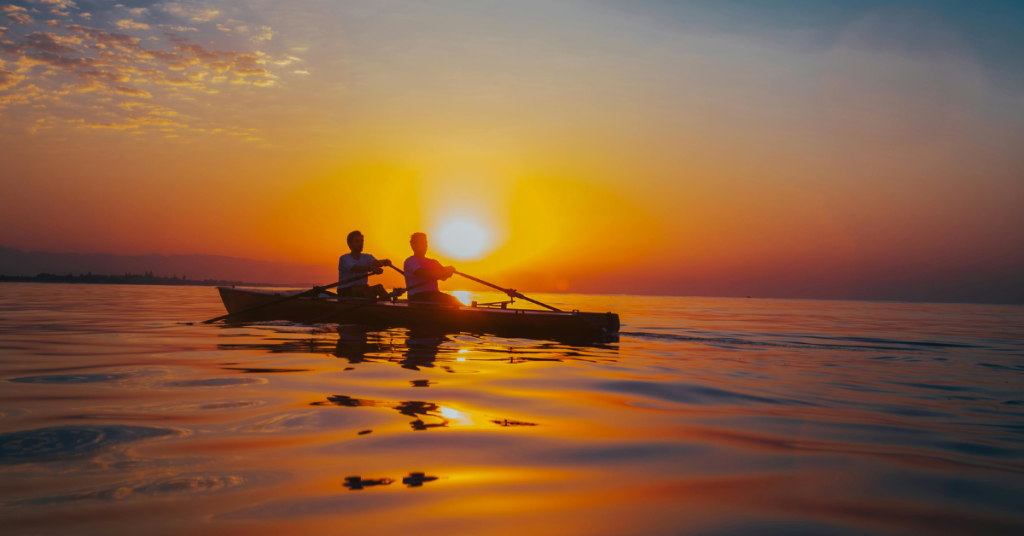
Kayaking Along the Cape Town Coastline
There’s something about being on the water in a kayak that changes the perspective entirely. The buildings get smaller, the mountains get bigger, and the ocean takes over. The noise of the city fades, and the only sounds are the paddle hitting the water and the waves breaking against the rocks. It’s a stripped-back, simple experience that connects people to the natural environment in a way that other activities don’t.
Cape Town kayak tours run along different stretches of the coastline depending on conditions, the season, and the experience level of the group. The most popular routes cover areas like the Atlantic Seaboard, the V&A Waterfront, Clifton, and Camps Bay. Paddling past the Twelve Apostles mountain range from the water gives a perspective that no photograph can properly capture. The mountains rise straight up from the ocean, and from a kayak, the scale of them is genuinely impressive.
The marine life along the Cape Town coast adds another layer to the experience. Seals are common, and they’re curious animals that often swim right up to kayaks to have a look at the paddlers. Dolphins are spotted regularly, particularly during the warmer months. And during whale season, from June to November, southern right whales and humpback whales come into the bays to calve and feed. Seeing a whale surface 30 or 40 metres from a kayak is the kind of moment that people talk about for years afterwards.
No previous kayaking experience is needed for most tours. The kayaks used are stable, sit-on-top models that are easy to balance on and simple to paddle. Guides provide a safety briefing and basic instruction before launching, and they stay with the group throughout the trip. The pace is relaxed, with plenty of stops to take in the views, watch the wildlife, and take photos. It’s not a race. It’s a way to spend a morning or afternoon on the water doing something that’s both active and deeply enjoyable.
The water temperature along the Atlantic Seaboard is cold. That’s just the reality of the Benguela current that runs along the west coast of South Africa. Wetsuits or splash jackets are provided on most tours, and once on the water, the cold becomes part of the experience rather than a problem. The air is fresh, the water is clear, and the crispness of it all adds to the feeling of being fully awake and present.
For visitors to Cape Town, a kayak tour is one of the most memorable activities available. It’s different from the standard tourist itinerary of Table Mountain, the Waterfront, and the Winelands. It gets people off the beaten path and onto the water, where the city looks and feels completely different. For locals, it’s a reminder of what’s right on their doorstep that they probably don’t take advantage of often enough.
Hiking the Trails Above the City
Cape Town’s hiking is world-class by any measure. Table Mountain alone has over 350 different routes, ranging from gentle walks to serious technical scrambles. The mountain is a national park and a UNESCO World Heritage Site, and the trail network covers everything from the front face overlooking the city to the quieter back table, the Twelve Apostles chain, and the surrounding peaks and nature reserves.
Hiking tours Cape Town cater to a wide range of abilities and interests. A guided hike takes the guesswork out of route selection and provides local knowledge that makes the experience richer. A good guide knows which trails offer the best views at different times of day, where to find the indigenous fynbos species that are unique to the Cape, and how to read the weather conditions that can change quickly on the mountain.
The most popular hike in Cape Town is probably the Platteklip Gorge route up the front of Table Mountain. It’s a direct, steep climb that takes about two hours for someone with reasonable fitness. The views from the top are spectacular, covering the entire city, the harbour, Robben Island, and the coastline stretching north and south. On a clear day, the visibility extends for dozens of kilometres in every direction.
For something less crowded and more immersive, the trails on the back of the mountain and along the Twelve Apostles offer a quieter experience. These routes wind through indigenous forest, along ridgelines, and past waterfalls and rock pools that most tourists never see. The Constantia Corner route, the Skeleton Gorge trail, and the Pipe Track along the Atlantic side are all favourites among regular hikers who know the mountain well.
Lion’s Head is another popular option, particularly for sunrise and sunset hikes. The trail is shorter than Table Mountain’s main routes, taking about an hour to the summit, and the 360-degree views from the top are among the best in the city. Watching the sun come up over the city from the top of Lion’s Head, with Table Mountain on one side and the Atlantic Ocean on the other, is one of those experiences that sticks with people long after they’ve gone home.
Signal Hill offers a gentler option for people who want views without a strenuous climb. The walk to the top is easy and takes less than 30 minutes, and the sunset views over the Atlantic Seaboard and Camps Bay are outstanding. It’s a popular spot for picnics and sundowners, and it’s accessible to almost anyone regardless of fitness level.
Why Guided Experiences Make a Difference
Both kayaking and hiking can be done independently in Cape Town. The trails are open to the public, and kayaks can be rented from various operators. But there’s a real advantage to going with a guide, particularly for people who are visiting the city for the first time or who are new to either activity.
On the water, a guide knows the tides, the currents, the wind patterns, and the best spots to see wildlife. They know which launch points work best on any given day and how to adapt the route if conditions change mid-trip. The safety aspect matters too. The ocean around Cape Town is cold and powerful, and having an experienced guide on the water provides a level of security that’s worth having.
On the mountain, a guide brings knowledge of the trail network that takes years to build up. They know which routes are in good condition, which ones are exposed to wind, and which ones offer the best combination of scenery and challenge for a particular group. Table Mountain is also known for its rapidly changing weather. Cloud can roll in quickly, temperatures can drop, and visibility can go from perfect to zero within an hour. A guide who knows the mountain can read these conditions and make smart decisions about whether to continue, turn back, or take an alternative route.
The stories and context that a guide provides add to the experience in ways that going solo doesn’t match. The history of the mountain, the ecology of the fynbos, the behaviour of the marine animals, and the local knowledge that comes from spending thousands of hours on the trails and in the water all make the experience deeper and more interesting.
Cape Town is a city that was made for outdoor activities. The combination of mountains, ocean, and coastline within a compact area creates opportunities that very few other cities in the world can match. Getting onto the water in a kayak and up onto the trails on foot are two of the best ways to experience what makes this city special, and both leave people with the kind of memories that a bus tour or a restaurant meal just can’t compete with.