What Is Composite Decking and How Is It Made?
Composite decking is a building product made from a mix of wood fibres and plastic polymers. These two materials are combined under heat and pressure to create boards that look and feel like real timber but last much longer. Most products on the market use recycled plastics and reclaimed wood dust, which makes them a greener option compared to cutting down fresh timber.
The manufacturing process creates a board that resists moisture, rot, and insect damage. Traditional hardwood decks can warp, crack, and splinter over time, but composite holds its shape even through years of harsh sun and heavy rain. For homeowners who want a deck that looks good without constant upkeep, this material is a practical solution.
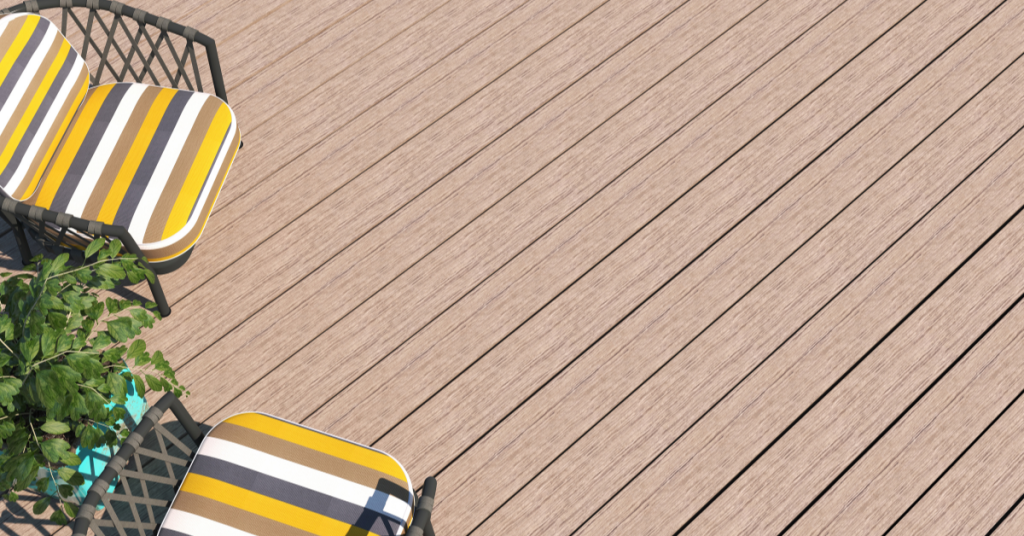
The surface of most composite boards is designed to mimic the grain and texture of natural wood. Colour options range from light sandy tones to deep charcoal, so matching the look of a home’s exterior is straightforward. Some products even have a two-tone finish that gives a more natural, less uniform appearance.
How Composite Boards Compare to Timber
Composite decking boards do not need to be oiled, sanded, or stained. A traditional timber deck needs re-oiling at least once a year, and in harsh Australian conditions, sometimes more often. That ongoing cost and effort adds up quickly. With composite, a wash with soapy water and a hose is all that is needed to keep things looking fresh.
Timber decks are prone to termite damage, which is a real concern across large parts of Australia. Composite materials are not attractive to termites or borers, which removes a major risk factor. Timber can also become dangerously slippery when wet, but most composite boards have a textured surface that provides better grip, even around pools and outdoor showers.
From a lifespan perspective, a well-made composite deck can last 25 years or more. Most hardwood decks start showing serious wear after 10 to 15 years unless they are very well maintained. When looking at the total cost of ownership over two decades, composite often works out to be the more affordable option, even though the upfront cost is higher.
Understanding Pricing
When it comes to composite decking boards price, there are a few things that affect what homeowners will pay. Board thickness, brand, colour, and surface finish all play a role. Entry-range products might start around $40 to $60 per linear metre, while premium options can run up to $100 or more per linear metre.
Composite decking prices also depend on the size of the project and whether the subframe is included. Some suppliers sell boards only, while others offer full kits with joists, clips, and fascia boards. Getting a full kit can save time and reduce the chance of buying incompatible parts.
It is worth getting quotes from a few different suppliers and comparing not just the per-metre rate but what is included. Delivery fees, cutting charges, and minimum order quantities can all shift the final number. Asking for samples before committing to a colour is a smart move too, since screens and printed brochures do not always show the true shade.
Where to Buy Across Australia
For homeowners in New South Wales, composite decking Sydney suppliers offer a good range of products suited to the coastal and suburban conditions common in the greater Sydney area. Salt air, humidity, and strong UV exposure are all factors that composite handles well, making it a solid fit for beachside and harbourside properties.
Up in Queensland, composite decking Brisbane has become a popular search term as more homeowners move away from traditional timber. The subtropical conditions in Brisbane, with heavy summer rain and high humidity, can be tough on hardwood. Composite boards handle these conditions without warping or growing mould.
The composite decking Gold Coast market is growing quickly too. With so many homes featuring outdoor entertaining areas and pool decks, there is strong demand for a product that looks great and does not need constant attention. The salt-laden air along the coast would eat through untreated timber in just a few years, but composite holds up without issue.
Down south, composite decking Melbourne is gaining traction among renovators and builders who want a material that can handle Melbourne’s unpredictable weather. Four seasons in one day is not just a saying there. Composite does not expand and contract the way natural timber does when temperatures swing from hot to cold in a matter of hours.
Why Composite Works So Well in Australian Conditions
Composite decking Australia is a category that has seen strong growth over the past decade. The Australian climate is tough on outdoor materials. Between the intense UV in summer, heavy storms along the east coast, and the dry heat inland, building products need to be able to cope with extremes. Composite is engineered for exactly that.
Most quality composite boards come with UV stabilisers built into the material. This means the colour does not fade as quickly as painted or stained timber. Some manufacturers offer fade and stain warranties of up to 25 years, which gives homeowners peace of mind that their deck will still look good well into the future.
Fire rating is another consideration in Australia. Some composite products carry a BAL (Bushfire Attack Level) rating, which can be important for homes in bushfire-prone areas. It is worth checking the specific rating of any product before purchasing, as requirements vary by council and location.
Choosing the Right Type of Board
Composite lumber decking comes in two main types: solid core and hollow core. Solid core boards are heavier and more rigid, which makes them feel more like traditional timber underfoot. Hollow core boards are lighter and often a bit more affordable, but they can feel slightly different to walk on.
Composite wood decking boards are available in a range of widths and lengths. Standard board widths sit around 135mm to 150mm, while lengths typically run from 2.2 metres up to 5.4 metres. Choosing the right length for the project can reduce waste and cutting time during installation.
When selecting boards, pay attention to the capping. Capped composite boards have a protective polymer shell wrapped around all four sides, which gives extra protection against staining, scratching, and fading. Uncapped boards are generally less expensive but may not perform as well over the long term, particularly in high-traffic areas or spots that get direct sun all day.
Installation Tips Worth Knowing
Composite decking can be installed by a handy homeowner, but hiring a professional is a good idea for larger or more complex projects. The subframe, usually made from treated pine or aluminium joists, needs to be level and properly spaced. Most manufacturers specify joist spacing of 400mm to 450mm for residential use.
Hidden clip systems are the most common way to fix composite boards to the frame. These clips sit between the boards and attach to the joists from underneath, giving a clean finish with no visible screws on the surface. Some boards use a tongue-and-groove system that clicks together, which speeds up the installation process.
Leaving the right gap between boards is important for drainage and airflow. Most manufacturers suggest a 5mm to 6mm gap between boards. Skipping this step can lead to water pooling on the surface and reduce the life of the subframe underneath.
Making the Right Call for Your Home
Putting in a new deck is a big decision and a significant investment. Whether the goal is to create a space for weekend barbecues, a quiet reading spot, or a full outdoor living area, the material choice matters. Composite offers a combination of good looks, low maintenance, and long life that is hard to beat.
For Australian homeowners who are tired of sanding, oiling, and replacing damaged timber boards every few years, making the switch to composite is a decision that pays off over time. With suppliers available across the major cities and a growing range of colours and styles on the market, finding the right product for any project has never been easier.