Furnishing a home is one of the bigger financial decisions most people make, and the cost adds up fast. Beds, sofas, dining sets, storage units, by the time a full room is sorted, the bill can be significant. One way to bring that cost down without settling for poor quality is to buy directly from the source. That is exactly what a furniture factory shop offers.
The idea is straightforward. Instead of buying through a retailer that marks up every piece to cover its own costs, you buy directly from the place that makes the furniture. The result is a lower price for the same product. There are no middlemen taking a cut, and the savings get passed on to the buyer.
What Makes a Factory Shop Different from a Regular Store
A standard furniture retailer carries stock from multiple manufacturers, operates out of a showroom in a mall or retail park, and prices its products to cover rent, staff, and profit margin on top of what it paid for the stock. That is a lot of layers between the factory and the person buying.
A furniture factory outlet works differently. The manufacturer sells directly to the public from its own premises. There is no retail markup because there is no retailer involved. The factory makes the furniture, and the customer buys it straight from that same location.
This also means the staff at a factory outlet tend to know the products in depth. They work with the furniture every day. Questions about materials, construction methods, or lead times get answered accurately rather than by someone reading off a product tag.
Why Johannesburg Is a Good Place to Look
Johannesburg is one of the main manufacturing centres in South Africa. A large number of furniture producers operate out of the Gauteng region, which means there are more options available here than in most other parts of the country.
Visiting a furniture factory shop in Johannesburg gives buyers access to current stock as well as the ability to place custom orders directly with the producer. Lead times are often shorter because there is no stock sitting in a warehouse waiting to be distributed to retail stores. The factory produces it and it goes straight to the customer.
For people renovating a home, setting up a new property, or simply replacing worn-out pieces, being close to the manufacturing source is a practical advantage. It cuts down on waiting time and reduces the number of steps involved in getting furniture from production to a living room.
What You Can Expect to Find
The range available at a furniture factory outlet in Johannesburg varies depending on what the producer specialises in, but most carry a broad selection across the main furniture categories.
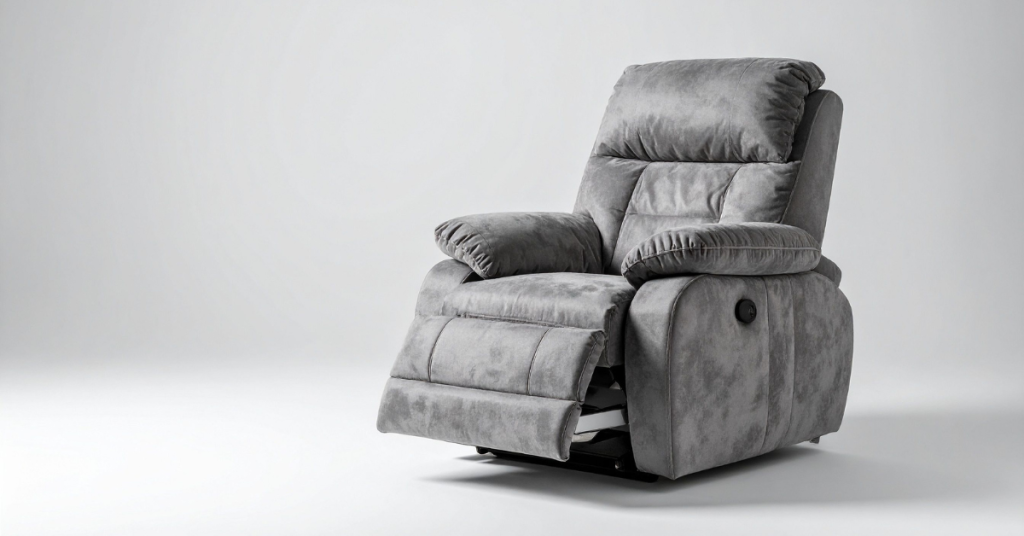
Lounge furniture is one of the most popular areas. Sofas, recliners, occasional chairs, and lounge suites are typically available in multiple sizes and upholstery options. Buyers can often choose from a range of fabric and leather finishes rather than being limited to whatever a retail store happens to have on the floor.
Bedroom furniture is another common category, with bed frames, headboards, and bedroom suites available in varying styles. Dining furniture, including tables and chairs in different sizes and finishes, rounds out most collections.
Some factory outlets also carry clearance items or floor stock at a reduced price. These are pieces that have been on display, returned, or slightly imperfect in some minor way. For a buyer who is not concerned about having a brand-new piece, these can offer significant savings.
Custom Orders and Made-to-Measure Options
One of the bigger advantages of buying directly from a manufacturer is the ability to order furniture made to specific requirements. This is something most retail stores cannot offer.
If a standard sofa is too wide for a particular room, or a bed frame needs to be a non-standard size, a factory can often accommodate that. The same applies to upholstery choices. A buyer who wants a specific fabric colour or a leather grade that is not on the standard price list can often arrange it directly with the manufacturer.
This flexibility is one of the main reasons people seek out a Johannesburg furniture factory shop rather than shopping at a regular retailer. The option to customise without paying a large premium for it makes a real difference when trying to get furniture that fits both a room and a budget.
Quality Control and What to Check
Buying directly from a factory does not automatically guarantee quality. It is worth taking time to inspect any piece before committing to a purchase.
Check the frame construction. Solid wood frames are generally stronger and more durable than those made from engineered wood or metal. Ask what the frame is made from and how it is joined. Glued joints alone are weaker than those that are both glued and screwed or dowelled together.
Look at the upholstery stitching. Uneven stitching or loose threads at the seams are signs of poor workmanship. Run a hand along the fabric or leather to check for inconsistencies in the surface.
Sit in any seating before buying it. The cushioning should feel supportive without being too firm or too soft. Press down on the seat and release it to see how quickly it returns to shape. High-density foam recovers quickly and holds its shape longer than standard foam.
For storage furniture, check that drawers open and close smoothly and that cabinet doors hang straight. These are small things, but they affect how the furniture feels to use every day.
Delivery and Lead Times
Most factory outlets offer delivery, though the cost and availability varies. It is worth confirming delivery arrangements before placing an order, particularly for large or heavy items.
For custom orders, lead times typically range from two to six weeks depending on the complexity of the piece and how busy the production schedule is. Standard in-stock items can often be delivered within a few days.
Confirm the delivery process in advance. Ask whether the delivery team will carry items into the home and whether they remove packaging. Some factories offer a white-glove delivery service that includes assembly; others drop the items at the door.
Making the Most of a Factory Visit
When visiting a Johannesburg furniture factory outlet, it helps to go prepared. Bring measurements of the spaces the furniture needs to fit into, including doorways and staircases if the pieces are large. Take photos of the rooms so it is easier to judge whether a particular style or colour will work.
Ask about the manufacturing process and what materials are used. A factory that is confident in its product will have no trouble answering these questions clearly.
If custom options are available, bring reference images or colour samples to make the conversation more productive. The clearer the brief, the more accurately the factory can match what is needed.
Factory shops often have sales staff who are knowledgeable about lead times and production capacity. Ask directly when a custom order would be ready, and get that confirmed in writing before paying a deposit.
Getting Good Value Without Cutting Corners
The appeal of buying direct is price, but the goal is always to get good value rather than simply the lowest number on a tag. A well-made piece of furniture that lasts fifteen years is a better investment than a cheap one that needs replacing in three.
Spending time comparing materials, asking questions, and checking construction quality before buying is worth the effort. A factory shop gives buyers the chance to do that properly, without the pressure that often comes with a retail environment.
Johannesburg has a strong manufacturing base and a range of producers who sell directly to the public. Taking the time to visit a few options before committing is a reasonable approach, and the savings compared to standard retail prices can be substantial.