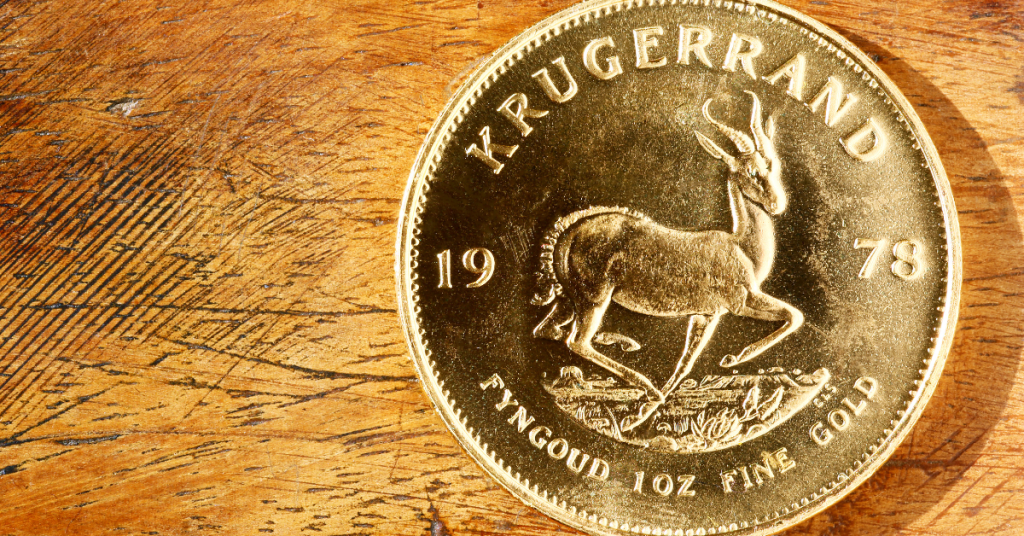
South Africa has a long history with gold, and the Krugerrand sits right at the centre of it. Millions of these coins have been minted since 1967, and plenty of South Africans have them tucked away in safes, drawers, or handed down from family. But here’s the thing most people don’t think about: what are they actually worth right now?
The Krugerrand is one of the most traded gold coins on the planet. It was the first gold bullion coin made for private ownership, and it changed how regular people invested in gold. Before the Krugerrand came along, buying gold meant dealing with bars and complicated processes. The coin made everything simpler. It gave ordinary South Africans a way to own a piece of the country’s most valuable natural resource without needing to be a millionaire or a metals trader.
How the Price Gets Determined
The Kruger Rand price is tied directly to the international gold spot price. That means it moves up and down based on global demand for gold. When the rand weakens against the dollar, the price in rands goes up. When gold demand spikes globally, same thing. These two factors working together are the reason that Krugerrands in South Africa have been fetching some of the highest prices ever recorded in recent months.
So if someone bought a Krugerrand 10 years ago, there’s a very good chance it’s worth a lot more now than what they paid. Gold has been on a strong upward trend, and the weak rand has only pushed local prices higher. What might have cost R15,000 a decade ago could now be worth R50,000 or more, depending on the size and condition of the coin.
The Kruger Rand price today can be checked through a number of channels. Most reputable gold dealers will publish their buy and sell prices daily. These prices change throughout the day as the gold market moves, so the price at 9am might look different by 3pm. It’s worth checking the price close to the time of selling rather than relying on a number from the morning.
What Affects the Value
A few things affect what someone will get for their coin. The weight and size matter most after the gold price itself. A 1oz Krugerrand is worth more than a half-ounce or quarter-ounce coin. This sounds obvious, but it’s worth mentioning since many people inherit coins without knowing the exact size. The weight is stamped on the coin, so checking is easy.
Condition plays a part too. A coin that’s been stored properly and has no scratches or damage will get a better price. Coins kept in capsules or cases tend to be in better shape than those thrown into a drawer loose. That said, even a scratched Krugerrand still carries its full gold weight, so the difference in price between a perfect coin and a worn one isn’t as dramatic as people might expect.
The year of minting can add value as well. Some years are rarer than others. Proof editions or coins from specific years can carry a premium above the gold value. Collectors will pay more for these, so it’s always worth having a buyer check whether a coin has any numismatic value on top of its gold content.
And then there’s the current gold price itself. The Kruger Rand price today in rands is a direct reflection of where gold is trading globally, converted to ZAR. This is the single biggest factor in determining what someone will get for their coin on any given day.
Why People Are Selling Now
There are plenty of reasons South Africans are choosing to sell Krugerrands right now. The gold price is at record highs. The rand is under pressure. And let’s be honest, the cost of living has gone through the roof. A single 1oz Krugerrand can put a decent amount of cash in someone’s pocket, enough to cover a few months of expenses or make a meaningful dent in debt.
Some people sell to pay off credit cards or personal loans. Others use the money to reinvest in property or other assets. And some simply need the cash for medical bills, school fees, or to cover monthly expenses during tough stretches. There’s no wrong reason to sell if the timing works and the price makes sense for someone’s situation.
The reality is that a Krugerrand only has value if it’s being used, either as a long-term investment that’s growing or as cash that’s meeting a real need. Sitting in a sock drawer for another decade while life gets more expensive isn’t a strategy. It’s just inertia.
Getting a Fair Deal
The gold Krugerrand price today to sell should be transparent. A good dealer will explain exactly how they arrived at the number. They’ll show the current gold spot price, the rand/dollar exchange rate, and their margin. If a dealer can’t explain their pricing, that’s a red flag and a sign to walk away.
Getting more than one quote is always a smart move. Don’t settle for the first offer. Call a few places and compare. The difference between quotes can be significant, sometimes thousands of rands on a single coin. It takes a bit of extra effort but it’s worth every minute.
It helps to check the Krugerrand price independently before walking into any dealer. Look up the gold spot price, convert it to rands, and do a rough calculation so there’s a ballpark figure in mind. This makes it much harder for anyone to lowball the offer.
Ask about fees too. Some dealers charge handling or testing fees that eat into the final payout. Make sure the number being discussed is the actual amount that will land in a bank account or be handed over in cash. No hidden deductions, no surprises.
Always bring identification. Any legitimate buyer will need to verify identity under FICA regulations. This is normal and protects both sides of the transaction. A South African ID book or smart card plus proof of address is all that’s needed.
And one last thing that catches people off guard: don’t clean the coins. This might sound strange, but cleaning a Krugerrand can actually reduce its value. Polishing removes the natural patina and can cause micro-scratches that a buyer will notice. Leave the coin as it is and let the professionals handle it.
Timing the Sale
Trying to time the gold market perfectly is almost impossible. Professional traders with billions in resources get it wrong all the time, so expecting to pick the exact peak is unrealistic. But there are smart ways to approach it. If the price is at a level that makes sense for someone’s financial needs, that’s a good time to sell. Waiting for “just a bit more” has cost many people money when the price dips unexpectedly.
The gold market can be unpredictable in the short term. Over the long term it has trended upward, but short-term swings of 5-10% are normal. So if the current price works, it’s worth acting on rather than gambling on a few extra percent that might never come.
The Process of Selling
Selling a Krugerrand is straightforward when done through the right channels. Walk in with the coin, it gets weighed and tested, an offer is made based on the current price, and payment happens on the spot or via EFT. The whole process can take less than 30 minutes. Some dealers also accept coins via secure courier for people who aren’t near a physical location. The coin gets assessed on arrival and payment follows once everything checks out.
Holding vs. Selling
Not everyone should sell. If someone doesn’t need the cash and is happy to hold, Krugerrands remain a solid store of value. Gold has been used as a wealth preserver for thousands of years, and that’s unlikely to change anytime soon. But if the money could be put to better use elsewhere, selling at a strong price makes perfect sense.
The decision really comes down to personal circumstances. What does someone need right now? What are their financial goals? Is the coin part of a wider investment strategy or is it just a forgotten asset collecting dust? There’s no universal answer, but at least the option is there, and the current market makes it a particularly attractive one.