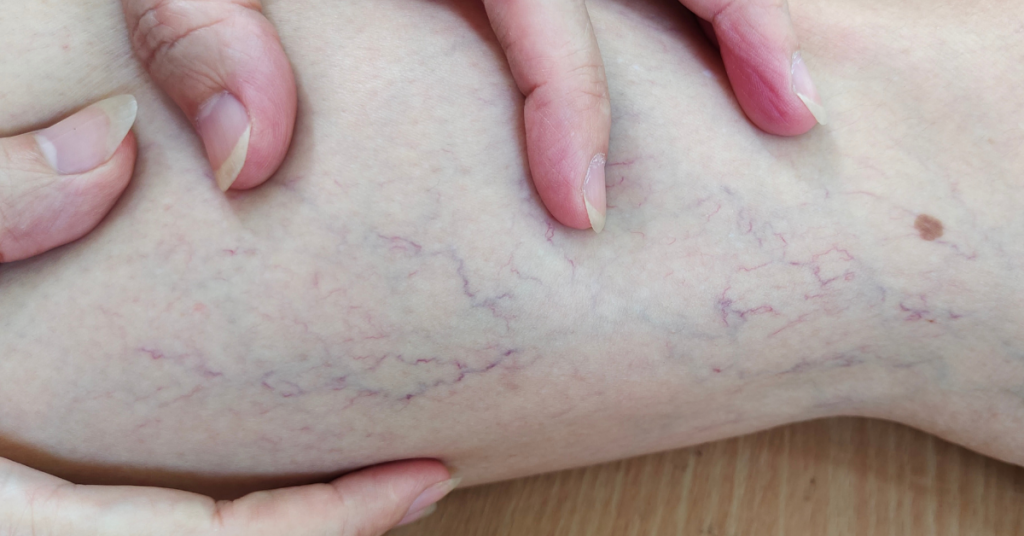
Varicose veins are more common than many people realise. Those twisted, bulging veins that appear on the legs affect millions of adults around the world. For some, they are just a cosmetic concern. For others, they cause real discomfort—aching, heaviness, swelling, and even skin changes.
Understanding what causes varicose veins and what can be done about them helps people make informed decisions about their health. The good news is that modern medicine offers several effective options for dealing with this condition.
What Causes Varicose Veins
Veins carry blood back to the heart. In the legs, this means pushing blood upward against gravity. Small valves inside the veins open and close to keep blood flowing in the right direction. When these valves weaken or fail, blood can pool in the veins. This causes them to stretch, swell, and become visible under the skin.
Several factors increase the risk of developing varicose veins. Age is one—valves wear out over time. Genetics plays a role too. If parents or grandparents had varicose veins, the chances of getting them go up. Standing or sitting for long periods puts extra pressure on leg veins. Pregnancy increases blood volume and puts added strain on the circulatory system. Carrying extra body weight adds to the load as well.
Women are more likely to develop varicose veins than men. Hormonal changes during pregnancy, menstruation, and menopause can relax vein walls and affect valve function.
Symptoms to Watch For
Not everyone with varicose veins has symptoms. Some people notice the veins but feel nothing unusual. Others experience a range of uncomfortable signs.
Common symptoms include aching or heavy legs, especially after standing for a long time. Some people feel burning, throbbing, or cramping in the lower legs. Swelling around the ankles is another sign. Itching around the affected veins can be annoying. In more advanced cases, the skin near the veins may change colour, become dry, or develop sores that are slow to heal.
Symptoms often get worse as the day goes on or after prolonged standing. Sitting with legs elevated or taking short walks can bring temporary relief.
When to Seek Medical Help
Varicose veins are not always a serious health problem, but they should not be ignored. If symptoms are affecting daily life, it is worth seeing a specialist. Persistent pain, swelling, or skin changes are signs that the condition may be progressing.
A vascular surgeon specialises in conditions affecting the blood vessels. This includes arteries, veins, and the lymphatic system. For varicose veins, a vascular surgeon can assess the severity of the problem and recommend the best course of action.
Left untreated, varicose veins can lead to complications. Blood clots can form in the affected veins—a condition called superficial thrombophlebitis. In rare cases, clots can move deeper into the leg, causing deep vein thrombosis. Chronic swelling and skin changes can lead to ulcers that are difficult to heal.
Getting an expert opinion early can prevent these problems and improve quality of life.
How Varicose Veins Are Diagnosed
Diagnosis usually starts with a physical examination. The doctor will look at the legs and ask about symptoms. Standing during the exam helps the veins become more visible.
An ultrasound scan is often used to get a clearer picture. This painless test uses sound waves to show how blood is flowing through the veins. It can reveal which valves are not working properly and how severe the reflux is.
The results of the examination and ultrasound help the doctor decide on the most appropriate treatment.
Treatment Options Available
Varicose veins treatment has come a long way. In the past, surgery to remove the affected veins was the main option. Now, there are several less invasive procedures that offer good results with shorter recovery times.
Endovenous laser treatment uses laser energy to close off the damaged vein. A thin fibre is inserted into the vein through a small incision. The laser heats the vein wall, causing it to collapse and seal shut. Blood then flows through healthier veins nearby.
Radiofrequency ablation works in a similar way but uses radiofrequency energy instead of laser. A catheter delivers heat to the vein wall, closing it off. Both procedures are done under local anaesthesia and allow patients to return to normal activities quickly.
Sclerotherapy involves injecting a solution directly into the vein. The solution irritates the vein lining, causing it to stick together and eventually fade. This method is often used for smaller veins and spider veins.
For larger or more complicated cases, surgical removal—called vein stripping—may still be recommended. This involves making small cuts and physically removing the affected vein. Recovery takes longer than with the minimally invasive options, but it remains an effective treatment for severe cases.
What to Expect During Recovery
Recovery depends on the type of treatment. Minimally invasive procedures like laser or radiofrequency ablation allow most people to walk immediately after and return to work within a day or two. Some soreness, bruising, or tightness in the treated area is normal and usually fades within a few weeks.
Compression stockings are often recommended after treatment. These help support blood flow and reduce swelling. Wearing them as directed improves outcomes.
Follow-up appointments allow the doctor to check on healing and confirm that the treated veins have closed properly. In some cases, additional sessions may be needed to address remaining veins.
Seeking Care in Dubai
Dubai has become a popular destination for medical care, including vascular procedures. The city offers modern facilities and experienced specialists who handle a wide range of vein conditions.
For those looking for a vascular surgeon Dubai has several qualified professionals available. Choosing someone with specific experience in treating varicose veins is important. Ask about their training, the number of procedures they have performed, and the techniques they use.
Varicose veins treatment Dubai clinics offer access to the latest technology and procedures. Many patients, including residents and medical tourists, benefit from the high standard of care available in the city.
Preventing Varicose Veins
Not all varicose veins can be prevented, especially when genetics are involved. But certain habits can reduce the risk or slow down their development.
Staying active helps keep blood circulating. Walking, swimming, and cycling are all good choices. Avoiding long periods of standing or sitting in one position makes a difference. When sitting, avoid crossing the legs, and try to elevate the feet when possible.
Maintaining a healthy weight reduces pressure on the veins. A diet rich in fibre helps prevent constipation, which can put strain on the circulatory system.
Compression stockings can be worn as a preventive measure, especially for people who stand a lot during work. These stockings apply gentle pressure that supports blood flow back to the heart.
Taking the Next Step
Varicose veins are a common condition, but that does not mean they have to be accepted as a permanent problem. With the range of treatments available, most people can find relief from symptoms and improve the appearance of their legs.
If varicose veins are causing discomfort or concern, speaking with a specialist is the best first step. A proper assessment leads to a clear plan and better outcomes. Taking action sooner rather than later can prevent complications and bring back comfort and confidence.