Eyesight is one of those things most people take for granted until something goes wrong. A bit of blurriness here, some trouble reading road signs there, and before you know it, you are sitting in a waiting room wondering if you need glasses, surgery, or both. The good news is that eye care has come a long way. There are more treatment options available now than ever before, and finding the right specialist does not have to be complicated.
Whether you are dealing with age-related vision changes, cloudy vision from cataracts, or you are just tired of wearing glasses every single day, there is likely a procedure that can help. But the first step is always the same: get your eyes properly checked by a qualified professional.
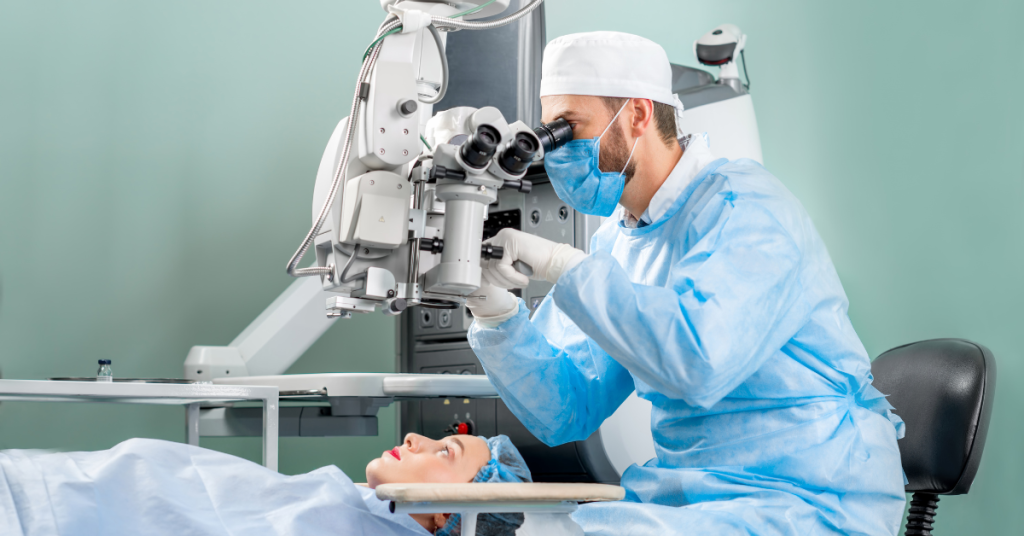
Choosing the Right Eye Specialist
Not all eye care professionals do the same thing. Optometrists test your vision and prescribe glasses or contact lenses. But when it comes to surgery or treating serious eye conditions, you need an ophthalmologist. These are medical doctors who have done years of extra training in eye diseases and surgical procedures.
Ophthalmologists can diagnose conditions like glaucoma, macular degeneration, and cataracts. They can also perform surgery when needed. If you have been told you need any kind of eye operation, this is the type of specialist you should be seeing.
For people living in Gauteng, searching for an eye doctor in Johannesburg will bring up a number of options. The city has several well-equipped practices with modern equipment and experienced surgeons. If you are not sure where to start, ask your GP for a referral or search for ophthalmology near me to see what is available in your area.
Many of the top practices are run by Ophthalmologists Johannesburg specialists who deal with everything from routine check-ups to complex surgical procedures. Picking someone with a good track record and proper qualifications matters more than anything else when it comes to your eyes.
Cataracts and When Surgery Makes Sense
Cataracts are extremely common, particularly in people over 60. The lens inside the eye becomes cloudy over time, which makes everything look hazy or washed out. Colours might seem duller, and night driving can become difficult. In the early stages, stronger glasses might help. But once cataracts start affecting daily life, surgery is usually the best option.
Cataract surgery is one of the most performed procedures in the world. The cloudy lens is removed and replaced with a clear artificial one. The operation is quick, usually taking less than 30 minutes, and most patients notice a huge improvement in their sight within a few days. Recovery time is short, and serious complications are rare.
If you have been putting off getting your eyes checked and things are looking a bit foggy, it is worth booking an appointment. Cataracts do not get better on their own, and waiting too long can make the surgery more complicated than it needs to be.
Laser Eye Surgery for Better Vision
For people who are tired of glasses or contact lenses, laser eye surgery has become a popular choice. The procedure reshapes the cornea so that light focuses properly on the retina, which corrects problems like short-sightedness, long-sightedness, and astigmatism.
Laser eye surgery South Africa has been available for many years now, and the technology keeps getting better. Modern laser systems are extremely precise, and the procedure itself is usually done in under 20 minutes for both eyes. Most people can go back to work within a day or two.
LASIK is one of the most well-known types of laser correction. Lasik eye surgery South Africa is offered at many practices across the country. During the procedure, a thin flap is created on the surface of the cornea, the laser reshapes the tissue underneath, and then the flap is put back in place. Healing is fast, and most patients see clearly within 24 hours.
If you are based in Gauteng, there are solid options for laser eye surgery Johannesburg with experienced surgeons and up-to-date equipment. The same goes for Lasik eye surgery Johannesburg where several practices offer consultations to check whether you are a good candidate for the procedure.
How Much Does It Cost?
Cost is one of the biggest questions people have, and it is a fair one. Eye surgery is not a small expense. The price depends on the type of procedure, the technology used, and the surgeon performing it.
When looking at laser eye surgery costs in South Africa, prices can range quite a bit depending on the clinic and the specific treatment. Some practices charge per eye, others quote for both. It is a good idea to get a detailed quote that includes the consultation, the procedure, and any follow-up visits.
The same applies to lasik eye surgery in South Africa. LASIK tends to sit at a similar price point to other laser procedures, but the exact amount depends on the complexity of your prescription and the equipment being used. Most medical aids in South Africa do cover a portion of eye surgery, so check with your provider before assuming you will have to cover the full amount out of pocket.
Some people see the cost and hesitate, but it helps to think about it over the long term. Glasses and contact lenses are ongoing expenses. New frames every couple of years, replacement lenses, contact lens solution every month – it adds up. For many patients, laser surgery ends up saving money over a ten to fifteen year period.
Is Eye Surgery Right for You?
Eye surgery to correct vision is not for everyone. You need to be over 18, your prescription should have been stable for at least a year, and your eyes need to be healthy enough for the procedure. People with very thin corneas or certain medical conditions might not be suitable candidates.
The best way to find out is to book a consultation. The surgeon will run a series of tests on your eyes to check the shape of your cornea, your prescription strength, and your overall eye health. Based on those results, they will let you know which options are available to you.
If laser surgery is not the right fit, there are other procedures that might work. Lens replacement surgery, for example, swaps the natural lens for an artificial one, much like cataract surgery. It is a good alternative for people with very high prescriptions.
What to Expect Before and After the Procedure
Most eye surgeries are done as day procedures. You walk in, have the operation, and go home the same day. For laser surgery, numbing drops are used so you will not feel pain during the procedure. There might be some mild discomfort afterwards, like a gritty or dry feeling, but this usually clears up within a day or two.
After surgery, you will need someone to drive you home. Your vision might be a little blurry for the first few hours, but it should clear up quickly. Follow-up appointments are important to make sure everything is healing properly. Most surgeons will see you the day after, then again at one week and one month.
Eye drops will be prescribed to prevent infection and reduce swelling. Use them as directed and avoid rubbing your eyes, swimming, or getting water directly in your eyes for the first couple of weeks.
Good eyesight makes a massive difference to quality of life. Whether it is reading a book without squinting, driving at night without stress, or just waking up and being able to see the alarm clock clearly, the benefits of corrected vision are hard to argue with. If you have been thinking about getting your eyes sorted, take the first step and book an assessment with a qualified specialist.