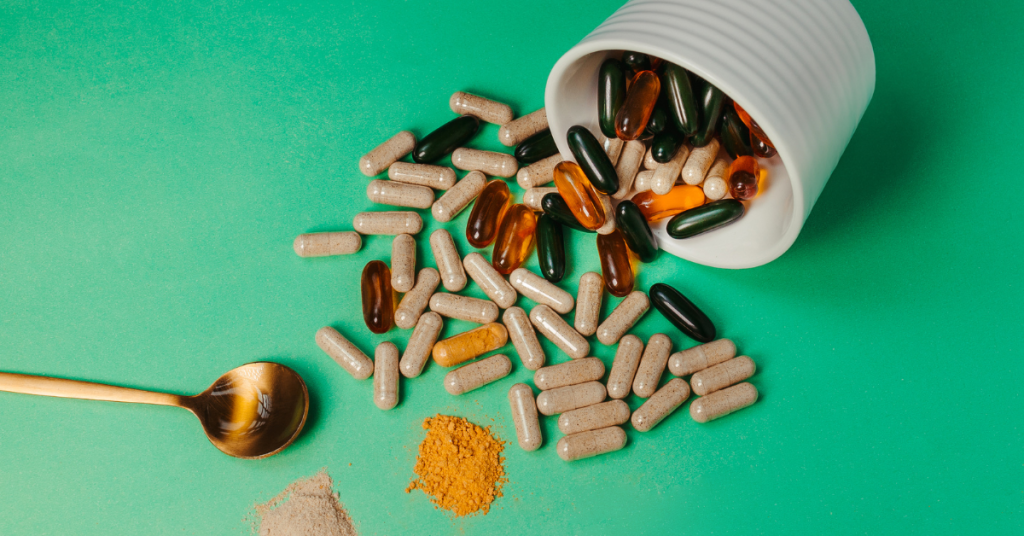
Women’s bodies go through a lot. From monthly cycles to pregnancy, breastfeeding, and menopause, the demands shift over the years. Meeting those shifting needs through food alone can be tough, which is where a good daily supplement plan steps in to fill the gaps.
Busy lives mean meals get skipped, takeaways sneak in more often than they should, and sleep falls short. All of this eats into the body’s store of nutrients. Picking the right daily support helps keep energy steady, skin clear, and hormones balanced through every season of life.
Why Women Have Different Needs
Men and women share many of the same nutrient needs, but some stand out more for women. Iron is a big one. Monthly blood loss means women lose iron each month that needs topping up. Low iron shows up as tiredness, pale skin, brittle nails, and brain fog.
Calcium and vitamin D matter too. Women lose bone density faster than men after menopause, so building strong bones early in life pays off later. Folate becomes a top priority for women trying to fall pregnant or in the first months of pregnancy. It helps prevent birth defects and supports healthy growth.
Magnesium plays a part in over 300 body processes. Many women run low on it and feel the effects through cramps, poor sleep, and stress. Getting enough through food or a good supplement can make a real difference to daily comfort.
Picking What Works
Shopping for the best vitamins for women can feel like a puzzle with so many options on the shelves. Start with the basics. A good multivitamin with iron, folate, B vitamins, vitamin D, and calcium covers most bases for women in their working years.
Quality matters more than flashy labels. Cheap products often use forms of vitamins that the body struggles to absorb. Spending a bit more on a product with better forms of each nutrient means more of it actually gets used by the body.
Daily Support Through Different Life Stages
Needs shift as women move through different life stages. A woman in her twenties has different needs than one in her fifties. Picking womens supplements that match the current stage of life gives better results than sticking with the same product for decades.
Twenties and Thirties
Young adult women often focus on skin, energy, and hair health. Iron, B vitamins, biotin, and omega-3s support all three. Folate becomes more important for anyone planning a family in the near future.
Stress hits hard during these years with work, study, and social demands all pulling at once. Magnesium and B vitamins help the body handle stress better. Getting enough sleep and eating regular meals also feed into how well the body copes.
Forties and Fifties
Hormones start shifting in the mid to late forties for most women. Hot flushes, mood swings, and sleep problems become common. Products with ingredients like black cohosh, sage, and red clover have been used for years to ease these changes, though results vary from person to person.
Bone health takes centre stage during these years. Calcium paired with vitamin D and vitamin K2 helps keep bones strong. Weight-bearing movement like walking, dancing, or light weights also protects bones over the long run.
Sixties and Beyond
Older women often need extra support for joints, memory, and heart health. Omega-3s from fish oil help with all three. Vitamin B12 absorption drops with age, so a daily top-up often becomes needed.
Good womens health supplements for this age group focus on keeping muscles strong, joints moving well, and the mind sharp. Protein intake matters more with age, since older bodies need more to keep muscle mass up.
Cranberry and Bladder Health
Urinary tract problems hit women more often than men thanks to anatomy. Short urethras mean bacteria have a shorter trip to cause trouble. Many women find they get a UTI once or twice a year, and some far more often.
A daily cranberry supplement has been used for many years to support bladder health. The active compounds in cranberries make it harder for bad bacteria to stick to the bladder wall. Taken daily, this can cut down how often infections come back.
Drinking plenty of water helps too. Aim for at least two litres a day, more when active or in hot weather. Going to the toilet when the urge hits, rather than holding on, also keeps the bladder working well.
Common Mistakes to Sidestep
Taking too many products at once wastes money and can cause problems. Some vitamins block the absorption of others when taken together. Iron and calcium, for example, compete for the same pathways in the gut. Spacing them out through the day gives better results.
Skipping doses for weeks on end also cuts the benefit. Supplements work best taken daily at the same time. Morning with breakfast works for most people, though fat-soluble vitamins like D, E, K, and A need some fat in the meal to be absorbed well.
Another common slip-up is buying products based on flashy marketing rather than actual content. Reading the label shows what really sits inside each capsule. Short ingredient lists with names that can be read without a chemistry degree often mean a cleaner product.
Watch Out for Mega Doses
More is not always better. Some water-soluble vitamins pass out in urine when taken in big amounts, which just makes expensive pee. Others build up in the body and can cause harm at very high doses over time. Sticking close to the daily recommended intake keeps things safe.
Vitamin A from animal sources can build up to levels that cause problems, especially for women who might become pregnant. Vitamin E and iron can also cause issues at very high doses. Always check with a GP before taking high-dose products long-term.
Food Still Matters Most
Supplements fill gaps, but food does most of the heavy lifting. A plate full of colour gives the body many different plant compounds that work together. Leafy greens pack iron, calcium, and folate. Berries bring antioxidants. Oily fish delivers omega-3s and vitamin D.
Wholegrains, beans, lentils, nuts, and seeds all add to the mix. Eating a wide range of foods beats sticking to the same five meals week after week. The gut bugs that keep the body running well thrive on variety.
Cooking at home gives more control over what ends up on the plate. Meal prep on a Sunday for the week ahead cuts down on last-minute takeaway temptation. Simple meals with plenty of vegetables, a good protein source, and some healthy fats hit most of the marks.
Water and Sleep Round It Out
No supplement makes up for poor sleep or low water intake. Aim for seven to nine hours of sleep a night. Keep the bedroom cool, dark, and free of screens in the hour before bed. A regular sleep schedule teaches the body when to wind down.
Water needs go up with heat, movement, and caffeine intake. Carrying a water bottle makes it easier to sip through the day rather than gulping a big drink now and then. Urine colour gives a quick check, aiming for a pale straw colour rather than dark yellow.
Tracking Progress
Starting a new supplement plan works best when tracked. A simple notebook or phone app can log energy levels, sleep quality, skin, moods, and any side effects. Over a few months, patterns show up that help work out what really helps.
Blood tests every year or two give a clearer picture than guessing. Iron, vitamin D, vitamin B12, and thyroid levels are the common ones worth checking. Low readings can be fixed with the right support. Normal readings mean the current plan is working.
Talking to a Doctor
Supplements are helpful, but they do not replace medical care. Ongoing tiredness, pain, mood shifts, or other symptoms that do not improve with lifestyle changes call for a proper check-up. A GP can spot issues that no amount of vitamins will fix on their own.
Women on medication should also check that any new supplement will not clash with their prescriptions. Blood thinners, thyroid drugs, and some heart medications react with common vitamins and herbs. A quick chat with a pharmacist or doctor sorts this out in minutes.
Final Thoughts
Good health for women comes from stacking many small wins rather than one magic product. Quality supplements, real food, enough water, good sleep, regular movement, and stress management all pull together to keep the body working well.
Small daily habits kept up for years beat short bursts of perfect living followed by months of neglect. Starting with one or two changes and building from there makes the whole thing stick. Over time, the payoff shows up in steadier energy, better moods, clearer skin, and fewer sick days through the year.