When cash is needed quickly, using a vehicle as collateral is one of the fastest routes to a secured loan. The process is straightforward in principle: the vehicle is assessed, a loan amount is offered based on its value, and the borrower uses that money while retaining use of the car. But not every vehicle qualifies, and understanding what lenders look for helps set realistic expectations before applying.
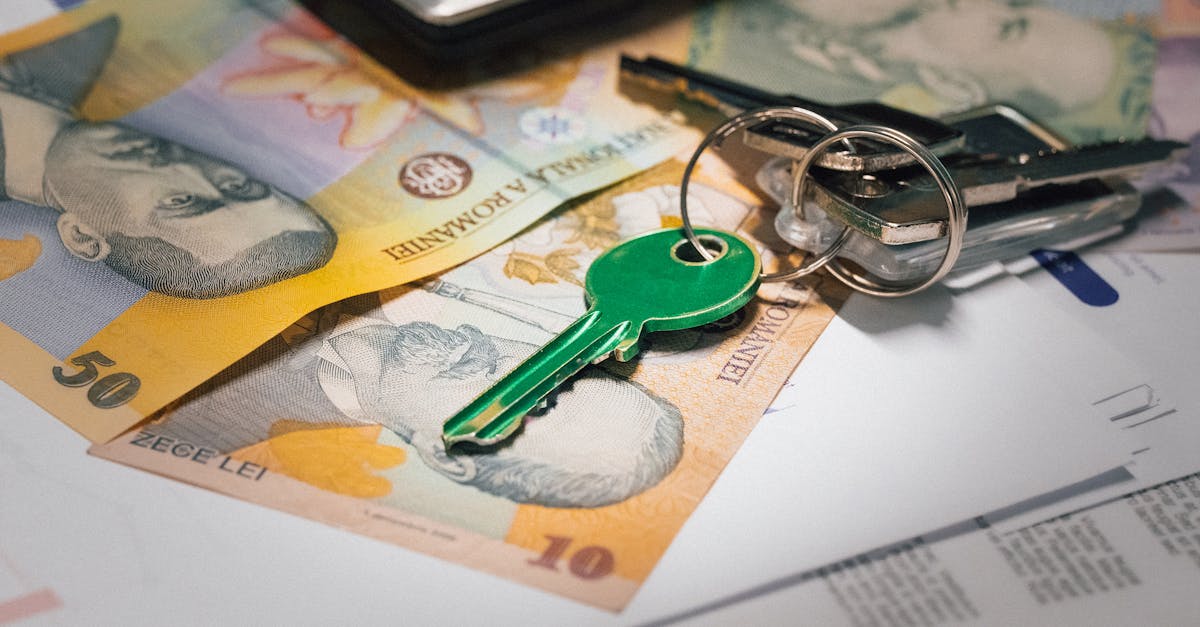
The type of vehicle, its condition, ownership status, and documentation all factor into whether a loan against car application succeeds and what amount is offered. Working through these factors beforehand saves time and prevents disappointment at the assessment stage.
Which Vehicle Types Are Typically Accepted
Passenger cars are the most commonly accepted vehicle type for this kind of lending. Sedans, hatchbacks, SUVs, and crossovers all fall into this category, provided they meet the other qualifying criteria around age, condition, and ownership.
Bakkies and light commercial vehicles are also accepted by most lenders, including single cabs, double cabs, and panel vans that are registered as light motor vehicles. These often carry good resale value and make solid collateral.
Motorcycles, heavy commercial vehicles, and specialist equipment are handled case by case. Some lenders accept motorcycles from the major brands; others do not include them in their assessment criteria. Heavy commercial vehicles like trucks and buses require specialist lenders who understand commercial vehicle valuations and have appropriate processes for that category.
The key in every case is resale value. Lenders offering a loan against vehicle are primarily concerned with what the vehicle would fetch on the open market if the loan were to default. A vehicle with strong market demand and predictable resale value makes better collateral than something unusual that would be difficult to sell.
Age and Mileage Considerations
Most lenders set a maximum age for vehicles they will accept as collateral. This varies between lenders but commonly sits in the range of ten to fifteen years. Older vehicles are not necessarily in poor condition, but they are harder to value with precision because the market for them is thinner and more variable.
High mileage affects loan amounts even when the vehicle is otherwise in good condition. A car with 250,000 kilometres on the clock is worth significantly less on the open market than the same model with 80,000 kilometres, regardless of how well it has been maintained. Lenders factor this into their assessment because the collateral value needs to reflect realistic resale outcomes.
Low-mileage vehicles with full service histories attract better valuations and therefore higher loan offers. This is one area where having documentation of the vehicle’s history makes a meaningful difference to the outcome.
The Ownership Requirement
The vehicle must be in the name of the person applying for the loan. A vehicle still under a finance agreement with a bank or other financier is technically not owned outright by the person using it as collateral, which creates a complication.
Some lenders will consider vehicles with existing finance, but the remaining finance balance will be deducted from the loan offer. If the vehicle is worth R200,000 on the market and there is R80,000 remaining on the finance, the lender can only offer against the equity portion of R120,000, and the process may require settling the existing finance as part of the transaction.
Fully paid-up vehicles with a clear title in the owner’s name are much simpler to process and typically result in faster loan approval and higher loan amounts relative to vehicle value.
Documentation Needed for the Assessment
Lenders assessing a vehicle for a loans against your car application typically ask for:
– The vehicle registration certificate (licence disc and papers) – A valid South African identity document or passport – Proof of residence not older than three months – A recent bank statement showing income or banking activity – The service history if available
The service history is not always required but improves the assessment outcome. A full service history from a reputable service provider demonstrates that the vehicle has been maintained, which supports a higher valuation.
Missing documentation slows the process. Having all of these items ready before the assessment appointment means the loan can be processed without delays.
How Vehicles Are Valued
The valuation process uses published trade guides and market data to establish the current value of the vehicle in South African market conditions. Lenders refer to published vehicle price guides that track retail and trade values across makes, models, and specification levels.
The physical condition of the vehicle is then assessed against that guide value. Panel damage, worn tyres, mechanical issues, interior condition, and the presence of original equipment all affect where the actual vehicle sits relative to the guide price. A vehicle in excellent condition may be valued close to the retail guide price; one with notable damage or mechanical issues will be valued lower.
Modifications can affect value in either direction. Factory-specification accessories and legitimate dealer upgrades may add value. Non-standard modifications, particularly those that affect the vehicle’s mechanical systems or appearance significantly, can reduce value because they narrow the pool of potential buyers.
The Loan Amount Relative to Vehicle Value
Lenders offering loans against your vehicle do not typically lend the full assessed value of the vehicle. The loan amount is set at a percentage of the vehicle’s assessed value, commonly in the range of fifty to seventy percent, though this varies by lender and by the specific vehicle.
This percentage creates a margin of protection for both parties. The lender has a buffer if the vehicle value declines or if selling the vehicle in a default scenario costs more than expected. The borrower has a clear relationship between the vehicle value and the loan amount available.
Understanding this before applying sets realistic expectations. A vehicle assessed at R150,000 will typically support a loan in the range of R75,000 to R105,000 rather than the full R150,000.
Keeping the Vehicle During the Loan
One of the most common questions about this type of lending is whether the borrower can pawn your car and still drive it. In most cases, yes. The vehicle stays with the borrower, who continues to use it normally for the duration of the loan.
What the lender holds is a legal interest in the vehicle, registered against the title, rather than physical possession of the car. This means the borrower gets the cash they need without losing access to their transport.
The condition of the vehicle during the loan period matters because it remains the collateral. Borrowers are expected to maintain the vehicle and keep it insured. Most loan agreements require that the vehicle is comprehensively insured and that the lender is noted as an interested party on the insurance policy.
What Happens at the End of the Loan
When the loan is repaid in full, the lender’s interest in the vehicle is removed and the title is clear again. The borrower has their vehicle fully in their name with no encumbrances.
If the loan cannot be repaid, the lender has the right to take possession of the vehicle and sell it to recover the outstanding amount. This is the risk that the collateral structure exists to manage. Borrowers who anticipate repayment difficulties should contact the lender early to discuss options, because early communication generally produces better outcomes than waiting until default occurs.
Getting the Most from the Application
A vehicle that is clean, well-documented, and in good mechanical condition will always attract a better loan offer than one that is not. Before an assessment appointment, it is worth having the vehicle professionally cleaned inside and out, addressing any minor issues that are inexpensive to fix, and gathering all the available documentation.
Borrow money against your car by presenting the vehicle in the best possible condition and with complete documentation. The assessment is straightforward, and lenders generally work through it quickly when the vehicle and paperwork are in order.
The process from application to funds in account can be completed within a day when everything is ready, making this one of the faster secured borrowing options available to South African vehicle owners.