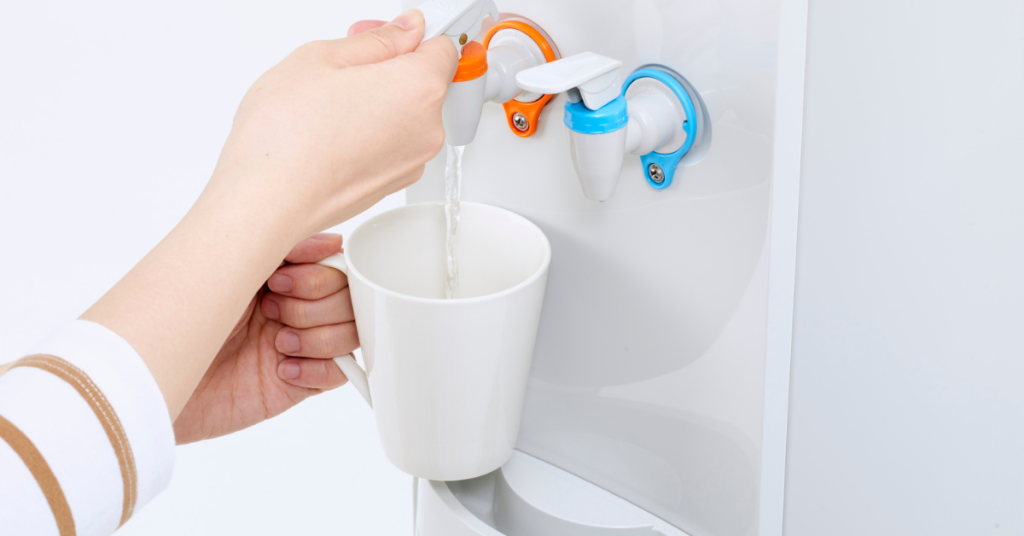
Water dispensers sit in offices, homes, gyms, schools, and clinics across South Africa. The big plastic bottles on top of them have become part of daily life. Most people don’t think much about where the bottles come from, what plastic they’re made of, or why some last longer than others. Anyone running an office, a gym, a corner shop, or a small business that uses dispensers should know a bit more about the gear they’re paying for.
This article walks through the different sizes of dispenser bottles, what makes a quality bottle versus a cheap one, and a few things to watch out for when buying.
What Sits on the Top of a Standard Dispenser
The most common dispenser size in South Africa holds either 10 litres or 18.9 litres of water. Both sizes serve different uses, and picking the right one depends on how many people drink from the dispenser and how often it gets refilled.
Smaller offices and home setups often pick 10 litre water bottles for the simple reason that they’re easier to lift onto the dispenser. A 10 litre bottle weighs about 10 kilograms when full, which most adults can handle without too much trouble. Single people, small families, and offices with five or six staff find this size works well, with the bottle lasting a week or two before needing a swap.
Bigger offices, restaurants, and busier spaces pick the larger sizes. 18.9l water bottles sit on top of the standard commercial dispensers found across South Africa, with the 18.9 litre size matching the 5 gallon US standard that the dispenser industry runs on globally. Lifting a full 18.9 litre bottle weighs nearly 19 kilograms, which means most users prop it on a knee, swing it up, and flip it onto the dispenser in one move.
The same 18.9 litre watter bottles get used across the country in commercial settings, with delivery services swapping empty bottles for full ones on weekly or fortnightly rounds.
What Makes a Good Bottle
Several things separate a quality dispenser bottle from a rough one.
The plastic thickness matters most. Thinner bottles cost less to make but bend, dent, and wear out faster. Thicker walls hold up to repeated cleaning, transport, and refills across years of use. A quality bottle handles 50 to 80 refill cycles before going to recycling.
The neck design affects how the bottle sits on the dispenser. Standard threaded necks fit the dispensers used across South Africa, but smaller variations between brands can cause leaks or wobbles. Picking water bottles for water dispenser use that match the dispenser brand or the standard local specs avoids fitting problems.
The base shape gives stability when full. Wider bases sit firmly on truck shelves, in storage rooms, and on dispenser stands. Tall narrow bottles tip more easily, which causes problems during delivery and storage.
The plastic clarity matters for a few reasons. Clear bottles let users see how much water is left, which helps with planning swaps. Slightly tinted bottles block more UV light, which slows the growth of any contamination if the bottle gets stored in sunlight.
The Manufacturing Side
Behind every dispenser bottle sits a manufacturing process that turns raw plastic into the finished product. The company doing the work is called a plastic bottle manufacturer, and the quality of their work shapes how good the final bottle turns out.
The process starts with PET resin, which arrives at the factory as small pellets. The pellets get melted and shaped into preforms, which look like fat test tubes with bottle threads at the top. These preforms then get heated and blown into the final bottle shape using high-pressure air inside a mould.
Quality control sits across every stage. Bad pellets, wrong temperatures, or worn-out moulds all cause problems with the finished bottle. A serious PET bottle manufacturer runs strict quality checks at every stage, from incoming raw material through to the final packed product.
What PET Preforms Are
PET preforms are the middle stage between raw plastic and finished bottle. They look like miniature test tubes with the bottle thread already moulded at the top. The preform is heated up and blown into the final shape, much like blowing up a balloon, but with much higher pressure and inside a metal mould that gives the bottle its final shape.
This two-stage process lets the same factory produce a wide range of bottle sizes from the same starting preforms. Different mould shapes give different finished bottles. The same preform that becomes a small water bottle could become a soft drink bottle or another shape entirely.
Bottle Caps and Closures
The cap on a dispenser bottle does more work than most people give it credit for. It seals the bottle for transport, breaks open cleanly when fitted to the dispenser, and keeps the water clean during storage.
Standard water dispenser bottle caps come in a few different designs. Some pop off when the bottle gets flipped onto the dispenser. Others have a rubber valve in the centre that opens when the dispenser probe pushes through.
Quality matters with caps. Cheap caps leak during transport, pop off too easily, or fail to seal properly when the bottle gets refilled. The plastic in cheaper caps also breaks down faster, which can lead to small bits of plastic ending up in the water.
Buying water bottle caps separately makes sense for businesses running their own bottle washing and refilling operations. Replacing the cap with each refill keeps the seal fresh and avoids contamination from old caps that might have been damaged during previous use.
Buying Bottles for Business Use
Anyone running an office or business that uses dispensers ends up looking for water dispenser bottles at some point. A few things help with the buying decision.
Volume pricing makes a big difference. Buying 50 bottles at a time gets a much better per-unit price than buying five. Most manufacturers offer tiered pricing that drops as the order size goes up.
Delivery terms matter for bigger orders. Bottles take up plenty of space, so getting them delivered to your premises beats trying to collect them in a bakkie. Asking about minimum order sizes for free delivery saves on transport costs.
A buyer thinking “where do I find these bottles ‘near me'” should look at suppliers across the major industrial hubs in Joburg, Cape Town, and Durban. Most of the country’s bottle manufacturing happens in these areas, with delivery services covering the surrounding provinces.
Industrial and Commercial Uses
Beyond standard office dispensers, water cooler bottles get used across plenty of industries. Construction sites use them to give workers cold water during summer. Mines run them in canteens and rest areas. Schools install them in staff rooms and admin offices. Gyms put them in the workout area for members to refill smaller bottles.
The same standard 18.9 litre water cooler water bottles work across all these uses, with the bigger demand at industrial sites often calling for delivery on a regular schedule rather than as-needed top-ups.
Cleaning and Hygiene
Bottles get cleaned between uses. Proper cleaning involves a hot wash, a sanitising rinse, and a final clean water rinse before refilling. Done right, a single bottle can be reused dozens of times before going to recycling.
Done badly, the cleaning process can leave bacteria and biofilm inside the bottle. This can affect water taste, smell, and safety. Quality bottle suppliers run strict cleaning protocols and replace bottles that show signs of damage or contamination.
A buyer choosing between suppliers should ask about the cleaning process. Phrases like “I want to know how ‘my’ bottles get cleaned” should get clear answers about the temperature, chemicals, and rinsing steps used.
Things to Watch Out For
A few common issues catch out first-time buyers.
Going for the cheapest bottles often costs more in the long run. Cheap bottles fail faster, leak more, and need replacing sooner. Mid-range bottles from a serious manufacturer last far longer.
Mixing brands of bottles and dispensers sometimes causes fitting problems. Some bottle necks don’t seal properly on some dispenser models. Asking the supplier about compatibility before ordering avoids returns and complaints.
Skipping the cleaning between refills causes hygiene issues that can hurt staff, customers, or family members. Quality water service includes proper cleaning every time the bottle gets refilled.
Wrapping Things Up
Dispenser bottles don’t seem like a complicated topic, but the manufacturing, materials, and quality control behind them affect every glass of water that comes out of the tap. Picking quality bottles, working with a serious supplier, and paying attention to cleaning and storage all add up to better water for everyone using the dispenser.
Whether you’re buying for a small office, a busy restaurant, a school, or a home, the basics stay the same. Get the right size for your usage, pick bottles from a manufacturer who runs proper quality control, and check the caps and seals match the dispensers you’re using. Done right, the kit lasts for years and gives clean water without the daily fuss of refilling smaller bottles or running to the shops.