Bad eyesight is something millions of South Africans deal with every day. For some, it means wearing glasses or contact lenses. For others, the problem is more serious, cataracts, glaucoma, or vision that keeps getting worse no matter what prescription they use. At some point, many people start thinking about whether surgery could fix the problem for good. The answer, in a lot of cases, is yes. But knowing what kind of surgery you need, what it costs, and who should be doing it makes all the difference.
The Difference Between an Optometrist and an Ophthalmologist
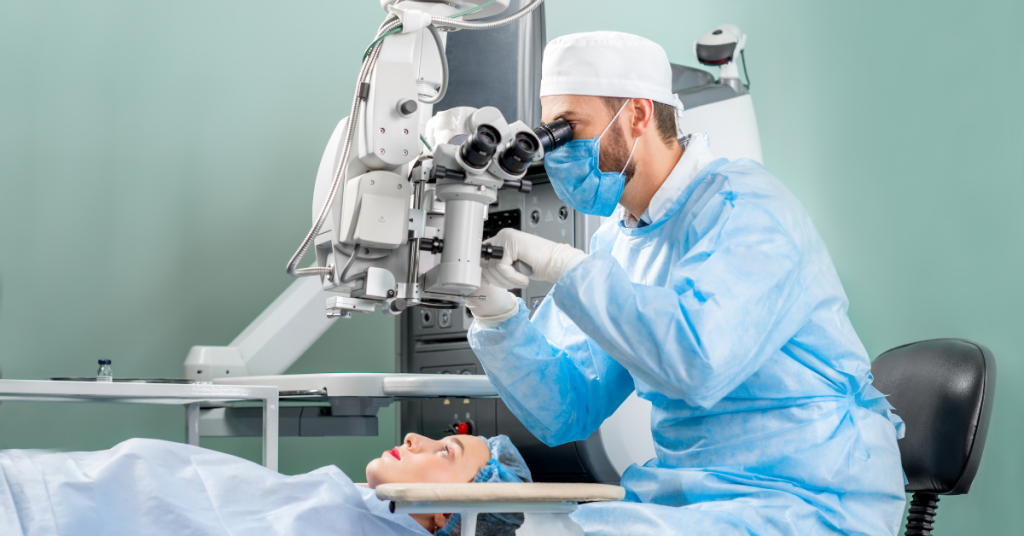
Most people go to an optometrist for their regular eye tests. Optometrists are trained to test vision, prescribe glasses, and pick up on common eye conditions. But they do not perform surgery. When a condition needs surgical treatment, the patient gets referred to an ophthalmologist. These are medical doctors who have done years of extra training in eye surgery and the treatment of complex eye diseases.
Ophthalmologists handle everything from routine cataract removal to advanced retinal surgery. They are qualified to diagnose conditions, prescribe medication, and carry out procedures in an operating theatre. If you are searching for ophthalmology near me, you are looking for this type of specialist.
In Gauteng, there is a strong concentration of experienced eye specialists. An eye doctor Johannesburg patients trust will usually have a solid track record, proper hospital affiliations, and years of hands-on surgical experience. Many of the top ophthalmologists Johannesburg has to offer work out of well-equipped surgical centres with access to the latest technology.
Cataracts and How They Are Treated
Cataracts are one of the most common reasons people end up needing eye surgery. A cataract is a clouding of the natural lens inside the eye. It usually develops slowly and becomes more noticeable with age. Symptoms include blurry vision, difficulty seeing at night, sensitivity to glare, and colours looking faded or washed out.
Cataracts surgery involves removing the cloudy lens and replacing it with a clear artificial one. The procedure is quick, usually taking less than 30 minutes per eye. Most patients notice a sharp improvement in their vision within a day or two. It is one of the most commonly performed surgeries in the world and has a very high success rate.
The type of replacement lens used during the procedure can affect the outcome. Standard lenses correct distance vision, meaning the patient may still need reading glasses afterwards. Premium lenses can correct both distance and near vision, reducing or removing the need for glasses altogether. The choice of lens usually comes down to personal preference and budget.
Laser Eye Surgery for Vision Correction
For people who are tired of wearing glasses or contacts but do not have cataracts, eye surgery to correct vision through laser treatment is a popular option. Laser eye surgery reshapes the cornea, the clear front part of the eye, so that light focuses properly on the retina. The result, for most patients, is clear vision without the need for corrective lenses.
There are different types of laser procedures, but the most well-known is LASIK. Laser eye surgery Johannesburg clinics offer this procedure routinely, and it has been performed safely for decades. Lasik eye surgery Johannesburg is a common search for Gauteng residents looking to ditch their glasses, and the city has a good selection of experienced surgeons and modern facilities.
Outside of Johannesburg, the procedure is available across the country. Laser eye surgery South Africa patients have access to the same technology and training standards found in leading markets overseas. Lasik eye surgery South Africa is performed at clinics in Cape Town, Durban, Pretoria, and other major cities.
What Does Laser Eye Surgery Cost?
Cost is one of the first questions people ask, and rightly so. The laser eye surgery cost South Africa patients can expect depends on the type of procedure, the technology used, and the surgeon performing it. Prices typically range from around R10,000 to R25,000 per eye, though this can vary.
For LASIK in particular, the lasik eye surgery cost South Africa tends to sit in a similar range. Some clinics offer payment plans or work with medical aids to bring the upfront cost down. It is worth asking about financing options during the initial consultation.
The price usually includes the pre-operative assessment, the procedure itself, and a set number of follow-up visits. Make sure to ask exactly what is covered in the quoted price so there are no surprises afterwards.
Who Is a Good Candidate for Laser Surgery?
Not everyone is suitable for laser eye surgery. The ideal candidate is over 18, has had a stable prescription for at least a year, and has healthy eyes with no conditions like severe dry eye, thin corneas, or advanced glaucoma. Pregnant or breastfeeding women are usually advised to wait.
A thorough pre-operative assessment will determine whether the procedure is safe and appropriate. This assessment measures the thickness and shape of the cornea, checks the overall health of the eye, and maps the exact prescription. If laser surgery is not suitable, the specialist may suggest an alternative procedure such as implantable contact lenses.
Recovery and What to Expect Afterwards
Recovery from laser eye surgery is usually fast. Most patients can see clearly within 24 hours, and many go back to work within a day or two. There may be some dryness, mild discomfort, or sensitivity to light in the first few days, but this settles quickly. Eye drops are prescribed to help with healing and to keep the eyes comfortable during recovery.
For cataract patients, the recovery is just as straightforward. The eye may feel slightly scratchy or watery for a couple of days, but most people are back to their normal routine within a week. Strenuous activity and swimming should be avoided for a short period to let the eye heal properly.
Choosing the right surgeon and the right procedure is the most important step. Take the time to research, ask questions during the consultation, and make sure you feel comfortable with the plan before going ahead. Good vision is something most people take for granted until it starts to go. Getting it back through a safe, proven procedure is something thousands of South Africans do every year, and the results speak for themselves.