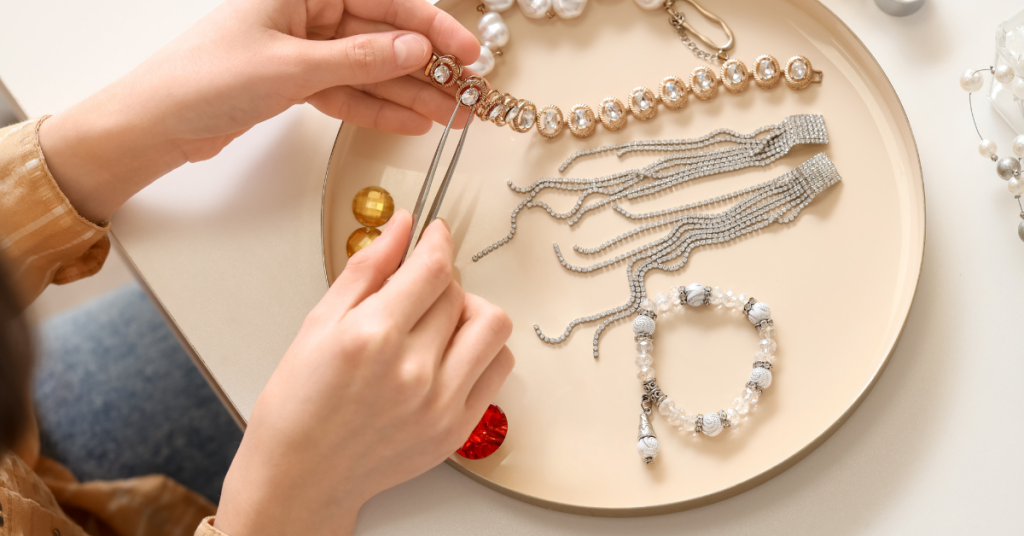
Everyone has jewellery sitting in a drawer or box somewhere. Rings from past relationships. Necklaces that no longer match any outfit. Earrings missing their pair. Bracelets that felt right years ago but now stay hidden away. These pieces take up space and do nothing. But they still hold value. Turning them into cash is easier than most people think.
Why People Hold Onto Old Jewellery
Sentimental value keeps many people from selling. A ring from a grandmother. A bracelet given on a special birthday. These items carry memories. But memories live in the mind, not in metal. Keeping jewellery locked away does not preserve the memory any better than letting it go.
Some people keep jewellery thinking they might wear it again. Years pass and the style never comes back. The piece stays in the drawer, gathering dust. Others inherit items they have no attachment to. They feel guilty about selling but have no use for the pieces either.
The truth is that Jewellery Buyers exist for exactly this reason. They give people a way to turn unused items into money. The cash can go toward something meaningful. A holiday. School fees. Paying off debt. Or simply having extra funds in the bank.
What Types of Jewellery Can Be Sold
Gold jewellery is the most common type people sell. Rings, chains, bracelets, and earrings made from 9ct, 14ct, 18ct, or 22ct gold all have value. The purity and weight determine the price. Even broken or damaged pieces can be sold. The gold content remains the same whether the clasp works or not.
Silver jewellery is worth less than gold but still has value. Sterling silver items stamped 925 are the most common. Older silver pieces might have different markings. A buyer will test and confirm what the item is made of.
Platinum is rarer and often worth more per gram than gold. Rings and bands made from platinum fetch good prices. Some people do not realise their jewellery is platinum until a buyer tests it.
Diamonds and gemstones add value too. A gold ring with a diamond is worth more than a plain gold band. The size, cut, clarity, and colour of the stone all affect the price. Larger stones and better quality stones bring higher offers.
Getting Cash for Your Items
Cash for Jewellery services make the process simple. Bring in the items. The buyer inspects them, tests the metal, and checks any stones. They weigh each piece and make an offer based on current market prices. If the offer is accepted, payment is made on the spot.
Many buyers pay in cash. Others transfer funds via EFT. Either way, the money is usually available the same day. There is no waiting for cheques to clear or payments to process. This makes selling jewellery a quick way to access funds when needed.
The process is straightforward. No appointments are usually required. Walk in, get an assessment, and decide whether to sell. There is no pressure. If the offer feels too low, walking away is always an option.
Selling Gold Pieces
Gold remains the most popular metal for jewellery. It holds its value well and is easy to sell. People looking to sell gold jewellery should gather all their pieces before visiting a buyer. This includes rings, chains, bracelets, earrings, and any other gold items.
Check for stamps on each piece. Common stamps include 375 (9ct), 585 (14ct), and 750 (18ct). These numbers indicate the purity of the gold. Higher numbers mean more gold content and a higher price per gram.
Do not worry about cleaning the jewellery before selling. Buyers are used to seeing items in all conditions. Cleaning might even damage some pieces. A buyer will handle any necessary preparation.
Finding a Buyer
The easiest way to find somewhere to sell jewellery is to search for local options. Look for established businesses with good reputations. Read reviews if available. Ask friends or family if they have sold jewellery before and where they went.
Avoid sellers who come to your door or operate from temporary setups. These buyers often pay well below market value. They rely on people not knowing what their items are worth. Stick with permanent shops that have been operating for some time.
Getting quotes from more than one place is smart. Different buyers offer different prices. A few extra minutes comparing offers can mean hundreds of extra rands in your pocket.
Local Options
Searching for sell jewellery near me brings up local businesses that buy precious metals and stones. Visiting in person has advantages. Sellers can see where the business operates. They can watch the testing and weighing process. It feels more secure than mailing items away.
Local buyers often have the equipment to test items properly. Acid tests, electronic testers, and diamond testers all help determine exactly what an item is made of. This means accurate valuations and fair offers.
Meeting face to face allows sellers to ask questions. How is the price calculated? What is the current gold price? Why is one item worth more than another? A good buyer will answer these questions openly.
Businesses That Buy Jewellery
Many businesses advertise that we buy jewellery. Some specialise in gold and precious metals. Others deal in diamonds and gemstones. Some handle all types of jewellery. Knowing what a buyer specialises in helps match items to the right place.
Pawn shops buy jewellery but often pay less than dedicated jewellery buyers. They need to make a profit when reselling, so their offers tend to be lower. For the best price, go to a buyer who deals specifically in precious metals and stones.
Some buyers purchase jewellery for the metal value only. Others consider the design, brand, or craftsmanship. A designer piece or antique item might fetch more than its metal weight alone. Asking about this upfront helps set expectations.
Selling Pre-Owned Pieces
Second hand jewellery buyers deal in items that have had previous owners. This includes everything from vintage pieces to recently purchased items someone no longer wants. The condition matters, but even worn pieces have value.
Pre-owned jewellery is tested the same way as new jewellery. The buyer checks the metal, weighs the item, and assesses any stones. Age does not reduce the value of the metal. A gold chain from fifty years ago contains the same gold as one bought last year.
Some vintage or antique pieces have collector value. Items from certain eras or by certain makers are sought after. If there is any chance a piece might be special, mentioning this to the buyer is worthwhile. They may offer more than the scrap value.
Getting Cash Quickly
Sometimes money is needed fast. A bill arrives unexpectedly. A car needs repairs. An opportunity comes up that requires funds. In these situations, the ability to sell jewellery for cash quickly is valuable.
The process can be completed in a single visit. Bring the jewellery. Get it assessed. Accept the offer. Walk out with cash. The whole thing can take less than an hour. For people in a tight spot, this speed matters.
Even when time is short, avoid accepting the first offer without checking. A quick phone call to another buyer can reveal whether the offer is fair. A few minutes of comparison can make a real difference.
Preparing to Sell
Before visiting a buyer, gather all the jewellery to be sold. Check each piece for stamps or hallmarks. Take note of any items that might be valuable for reasons other than metal content, like designer pieces or antiques.
Bring identification. Buyers are required to record details of transactions. This protects both parties and keeps the process legitimate. A receipt should be provided for every sale.
Have realistic expectations. The offer will be based on metal content and current market prices. Sentimental value does not translate to cash value. A ring that meant a lot to a family might be worth the same as any other ring of the same weight and purity.
Making the Decision
Selling jewellery is a personal choice. Some people feel ready to let go. Others need more time. There is no rush. The jewellery will still have value next month or next year.
For those ready to sell, the process is simple. Find a reputable buyer. Get a fair offer. Walk away with cash. The money can be put toward anything that matters. And the drawer or jewellery box gets a bit lighter.