A lot of people think about becoming a flight attendant at some point. The idea of getting paid to travel, working in an international environment, and having a job that looks nothing like a regular office sits at the back of many people’s minds. What fewer people know is what it actually takes to get there, what the training involves, and what the job looks like once you are in it.
The aviation industry in South Africa is competitive. Airlines receive far more applications than they have positions for, and the candidates who get through are usually the ones who came prepared. That preparation starts well before the application. It starts with the right training.
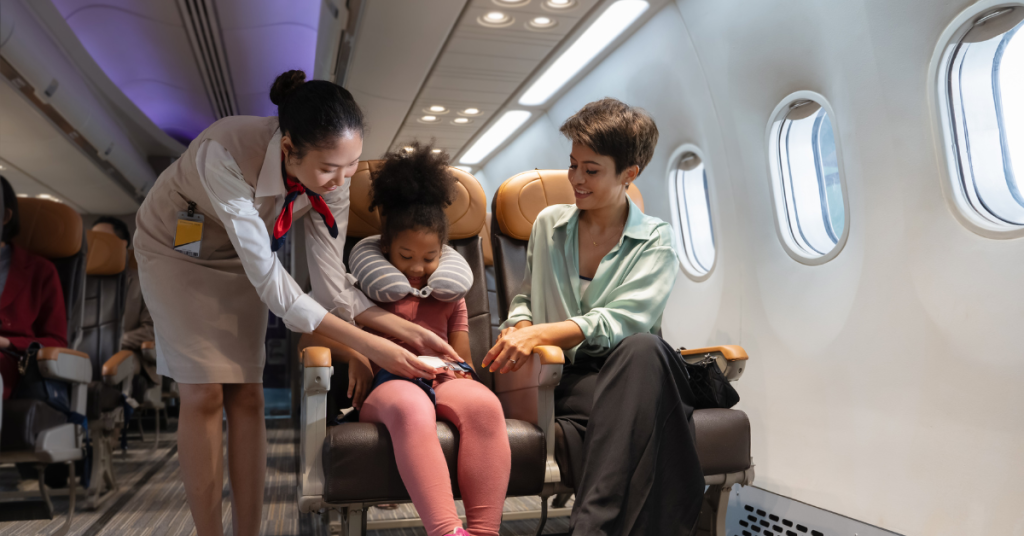
What the Job Actually Involves
Before investing time and money in training, it helps to have a clear and honest picture of what the role looks like day to day. The travel and the uniform are real, but so is the physical demand, the irregular hours, and the responsibility that comes with managing passenger safety on every single flight.
Flight attendants are not primarily there to serve food and drinks. Their core function is safety. They are trained to manage emergencies, handle medical situations, operate evacuation equipment, and keep calm when passengers are not. The service element is a large part of the job, but it sits on top of a foundation of safety knowledge and emergency preparedness that takes real training to build.
The hours are irregular in a way that affects your social life. Early morning departures, late night arrivals, and overnight layovers in other cities or countries are all part of the routine. For some people that is part of the appeal. For others it becomes difficult over time, particularly when it conflicts with family commitments or a social life tied to regular hours.
Physical requirements also apply. Most airlines have height and fitness standards. Being able to reach overhead compartments, move quickly through a narrow cabin, and stand for extended periods are all part of the job. Some airlines also have specific standards around grooming and presentation.
Going in with a realistic picture of what the role demands means you are making an informed decision rather than a romantic one.
The Training You Need
Completing a flight attendant course before applying to airlines gives you a genuine advantage over applicants who have no formal training. Airlines do provide their own training once you are hired, but arriving with existing knowledge of safety procedures, service standards, and aviation terminology tells a hiring panel that you are serious and that you already understand the environment you are applying to work in.
A good course covers first aid and emergency procedures, safety equipment and evacuation protocols, customer service in an aviation context, grooming and presentation standards, and often some exposure to the regulatory framework that governs commercial aviation. Some courses also include practical components that simulate cabin environments, which gives you experience before you ever set foot on a real aircraft.
An air attendant course that is recognised within the industry and delivered by experienced instructors makes a real difference to what you get out of it. Checking whether the provider has a track record of placing graduates in aviation roles is worth doing before you enrol. A certificate from a credible provider carries more weight than one from a course that exists purely to collect fees.
Who Should Consider This Path
The cabin crew field attracts people from a wide range of backgrounds. You do not need a university degree to become a flight attendant. What airlines look for is a combination of people skills, composure under pressure, good communication, and a presentation that fits the airline’s standards. Those qualities can come from many different backgrounds and life experiences.
People who have worked in hospitality, retail, or customer-facing roles often find that their existing skills transfer well into cabin crew work. The ability to stay calm with difficult customers, manage multiple tasks at once, and maintain a professional manner in a demanding environment are all things that carry over directly.
Completing an airline hostess course is particularly valuable for people who have strong people skills but no formal aviation background. It bridges the gap between what you bring from other industries and what airlines specifically need. It also gives you the vocabulary and context to interview well, which is often where otherwise strong candidates fall short.
What Airlines Look for in Applications
Getting an interview with a major airline or even a regional carrier is competitive. Understanding what they look for helps you position your application correctly.
Most airlines require a matric certificate as a minimum qualification. Beyond that, relevant training, previous customer service experience, language skills, and the right physical attributes all play a role. Being able to speak more than one language is a genuine advantage, particularly for international routes. English is standard, and any additional languages that are spoken at destinations the airline serves make a candidate more attractive.
The application process typically involves a written application, group assessments, and individual interviews. Some airlines also run assessment days where candidates go through a series of structured activities in front of evaluators. These days test communication skills, how you handle pressure, whether you work well with others, and how you present yourself throughout a long and often tiring process.
Having completed a course for stewardess work before applying means you can speak specifically to what you have learned and demonstrate that your interest is genuine and backed by preparation. Candidates who show up to assessments with nothing but enthusiasm and a willingness to travel rarely get as far as those who have done the groundwork.
Working for International Airlines
South African cabin crew are employed by airlines around the world. Middle Eastern carriers in particular have recruited heavily from South Africa over the years. These positions offer salaries in foreign currency, tax-free income in some jurisdictions, accommodation provided by the airline, and free or heavily discounted travel benefits. For the right person at the right stage of life, the package can be very attractive.
The trade-off is that you are based abroad, often in a city you have never lived in before, away from family and the social network you have built at home. Some people adapt very well to this and build a life in their base city. Others find the isolation difficult, particularly in the early months.
Completing flight hostess courses that are internationally recognised opens doors beyond the South African market. If working for a foreign carrier is something you are considering, check whether the training provider’s qualifications are relevant to that application process before enrolling.
What to Expect From the First Few Years
The first few years in cabin crew are the hardest. You are learning on the job, building seniority, and often working the least desirable routes and shifts. Senior crew members get first choice on bidding for routes, so newer staff tend to get what is left. Night flights, short turnarounds, and less popular destinations are all more likely in the early stages.
Most cabin crew who stay in the industry for more than a few years will tell you that it gets significantly better once you have built some seniority. Route preferences, scheduling flexibility, and overall working conditions all improve with time in service.
There is also a progression path for those who want to move up. Senior cabin crew, purser, and cabin crew trainer positions all exist within larger airlines. Some cabin crew move into ground-based roles in training, recruitment, or airport operations after building experience in the air.
The people who do well in this industry are those who genuinely enjoy working with people, can manage their energy and wellbeing on irregular schedules, and treat the safety side of the role with the seriousness it deserves. The travel is the reward. The training, the discipline, and the people skills are what gets you there.