If you have been looking at options for a new outdoor deck, you have probably come across composite decking at some point. It is a building material made from a mix of wood fibres and plastic polymers, pressed together under high heat and pressure. The result is a board that looks and feels like timber but behaves very differently when exposed to rain, sun, and general wear.
Traditional timber decks have been the go-to choice in Australia for decades. They look great when they are new, but keeping them that way takes a lot of effort. Sanding, staining, oiling, and replacing rotten boards is a regular part of owning a timber deck. Composite materials were developed as an answer to that problem. The idea was simple: create something that gives you the look of wood without the constant upkeep.
Composite lumber decking has been used in commercial projects overseas for more than 20 years. It started gaining traction in Australian homes around 2010, and since then it has grown rapidly. Builders, landscapers, and homeowners have all started shifting towards it, and the product range available now is much wider than it was even five years ago.
How the Boards Are Made
Composite wood decking boards are manufactured by combining recycled wood dust or flour with high-density polyethylene (HDPE) or polypropylene plastic. These raw materials are heated, mixed, and then pushed through an extruder that shapes them into board profiles. Some manufacturers add UV stabilisers, colour pigments, and anti-fungal agents during this process.
There are two main types of boards on the market: solid core and hollow core. Solid core boards are heavier and more rigid, which makes them a good fit for high-traffic areas like commercial walkways, pool surrounds, and restaurant patios. Hollow core boards are lighter and easier to handle during installation, and they work well for residential decks where the load demands are lower.
Most quality boards come with a protective outer shell, often called capping. This shell wraps around the board and protects it from staining, scratching, and fading. Capped boards tend to last longer and hold their colour better than uncapped ones, which is worth keeping in mind when comparing products.
What It Costs
One of the first questions people ask is about composite decking boards price. The upfront cost is higher than most standard timber options. A square metre of composite boards will typically run between $90 and $180, depending on the brand, the profile type, and the colour. By comparison, treated pine decking sits around $40 to $70 per square metre, and hardwoods like merbau or spotted gum range from $80 to $150.
When comparing composite decking prices, it is important to look at more than just the purchase price of the boards. You need to factor in subframe materials (steel or timber joists), fasteners, edge trims, and labour if you are hiring someone to install it. A full installed deck will usually cost between $300 and $600 per square metre, depending on the complexity of the design and the site conditions.
Where composite starts to make financial sense is over the long term. A timber deck needs oiling every year or two, which costs between $500 and $1,500 each time depending on the size. Over 15 to 20 years, those maintenance costs add up to thousands of dollars. A composite deck needs almost none of that. A wash with soapy water a couple of times a year is about it. When you run the numbers over a 20-year period, the total cost of ownership is often lower with composite.
Another thing to keep in mind is that prices can vary quite a bit between suppliers. Some sell direct to the public, others go through distributors or hardware chains. Getting three or four quotes from different sources is a smart move before committing to a purchase.
Where to Buy Across Australia
Composite decking Australia suppliers have grown in number over the past few years. You can now find stockists in every major city, and many of them ship nationwide. Some brands sell exclusively through their own websites, and others have retail partnerships with building supply stores.
In New South Wales, composite decking Sydney is one of the most searched terms for homeowners looking to upgrade their outdoor spaces. Sydney’s mix of coastal humidity and strong UV exposure makes composite a practical choice. Salt air corrodes metal fasteners and warps untreated timber, but composite boards hold up well in those conditions. The northern beaches, eastern suburbs, and inner west have all seen a noticeable increase in composite deck installations over the past few years.
Sydney homeowners tend to favour darker colour tones like charcoal and walnut for a modern look. Lighter shades like teak and sand are common in beachside builds. Most local suppliers carry a range of at least six to eight colours, and samples are usually available so you can see how the colour looks in your specific setting before you order.
Down south, composite decking Melbourne has been picking up fast. Melbourne’s weather swings between hot dry summers and cold wet winters, which is tough on timber. Boards that expand and contract with temperature changes can crack and split over time. Composite handles these temperature shifts much better, which is one of the main reasons Melbourne builders have started pushing it as a preferred option for new builds and renovations.
The renovation boom in Melbourne’s inner suburbs has driven a lot of demand. Older homes with tired timber decks are being stripped back and replaced with composite. Builders report that clients are willing to pay the higher upfront cost once they understand the long-term savings on maintenance.
Composite decking Brisbane is another strong market. Queensland’s subtropical conditions mean that outdoor living is a year-round thing, and decks get used heavily. The combination of high humidity, intense sun, and frequent storms can destroy a timber deck in just a few years if it is not maintained properly. Composite stands up to all of that without needing annual treatments.
Brisbane homeowners often build larger deck areas that extend their indoor living space outdoors. Covered patios, open entertaining areas, and pool surrounds are all popular applications. The material works well in all of these setups, and the anti-slip surface finishes available on most brands make it a safe option around water.
In Brisbane’s newer housing estates, composite is increasingly being specified at the design stage rather than retrofitted later. Project builders are including it in their standard packages, which shows how far the product has come in terms of mainstream acceptance.
Further south along the coast, composite decking Gold Coast demand has grown significantly. The Gold Coast lifestyle revolves around outdoor entertaining, and decks are a central part of most homes. The salt-heavy coastal air can be brutal on natural timber, causing it to grey, crack, and deteriorate within just a couple of years. Composite boards resist salt damage far better, making them a practical pick for beachside properties.
Holiday rentals and Airbnb properties on the Gold Coast have driven some of this demand. Property managers want low-maintenance solutions that still look good for guests. A composite deck ticks both boxes. It keeps its appearance without needing regular staining or repairs, which saves time and money between bookings.
Gold Coast builders report that grey and silver tones are the most requested colours in coastal builds, followed by natural timber-look shades. Most suppliers offer colour-matched fascia boards and edge trims so the finished deck has a clean, consistent look from every angle.
Installing a Composite Deck
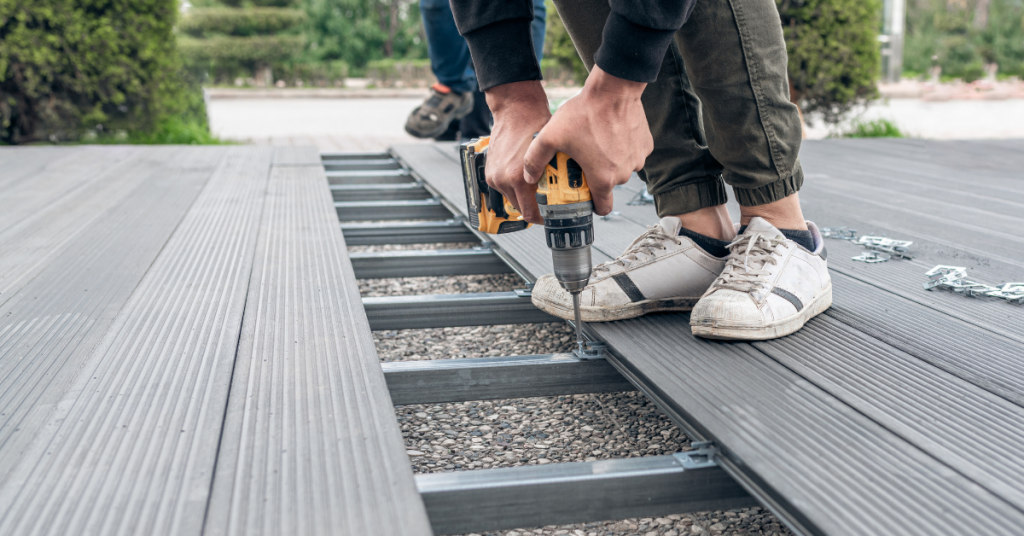
Laying composite decking boards is not drastically different from installing timber boards, but there are a few things that need to be done differently. The most important one is the subframe. Most manufacturers require either a steel or treated pine joist system with specific spacing, usually between 300mm and 450mm centres depending on the board profile and the expected load.
Composite boards expand and contract with temperature changes more than timber does. This means you need to leave expansion gaps between boards and at the ends where they meet walls or other fixed structures. The exact gap size depends on the brand and the board length, but 3mm to 5mm between boards and 10mm to 15mm at the ends is a common range. Skipping this step can lead to buckling in hot weather.
Most composite boards use a hidden clip fastening system rather than face screwing. The clips sit between the boards and lock into a groove on the edge, pulling each board tight against its neighbour. This gives the deck a clean surface with no visible screw heads. It takes a bit longer to install than face screwing, but the finished result is worth the extra time.
If you are doing a DIY installation, make sure you read the manufacturer’s installation instructions thoroughly before you start. Each brand has slightly different requirements for joist spacing, clip types, and gap tolerances. Getting these details right from the start will save you from costly mistakes down the line.
Looking After Your Deck
One of the biggest selling points of composite is how little maintenance it needs. There is no sanding, no oiling, and no staining required. A basic wash with warm water and mild detergent two or three times a year is enough to keep it looking fresh. For tougher stains like grease or red wine, a soft bristle brush and a bit of elbow grease will usually do the job.
Mould and mildew can appear on composite decks in shaded or damp areas, just like they can on any outdoor surface. This is not a defect in the material. It is just organic matter sitting on the surface. A solution of water and white vinegar, or a purpose-made composite deck cleaner, will remove it without damaging the boards.
Avoid using a high-pressure washer directly on the surface. The force of the water can damage the protective capping layer and leave marks. If you do use a pressure washer, keep it on a low setting and hold the nozzle at least 300mm from the surface. A garden hose with a spray attachment is usually the safer option.
Furniture pads under table and chair legs are a good idea. Composite boards can scratch if heavy furniture is dragged across them. Rubber or felt pads are inexpensive and will prevent surface marks. The same goes for barbecue trolleys and plant pots. Anything heavy that gets moved around should have some kind of protective pad underneath.
Is It the Right Choice for Your Home?
Composite is not the right fit for every situation. If you are on a very tight budget and only need a small deck that you are happy to maintain yourself, treated pine is still a solid choice. It costs less upfront and is easy enough to oil once a year. But if you want something that will look good for 15 to 25 years without much effort, composite is hard to beat.
Families with young kids and pets tend to love it. The surface has no splinters, which means bare feet and paws are safe. It does not get as hot underfoot as some people expect either. Lighter colours in particular stay comfortable even on warm days, though very dark boards can heat up noticeably in direct sun during peak summer.
For anyone building a new home or doing a major renovation, it is worth getting a sample of the product before committing. See how it looks in your outdoor light, feel the texture, and check the colour against your house and landscaping. Most suppliers are happy to send out samples at no charge, and spending a few days with the product in hand will help you make a confident decision.