Outdoor living is a big part of Australian life. Backyards, patios, and pool areas get used year-round in most parts of the country. That means the decking material chosen for these spaces needs to handle everything from blazing summer heat to heavy winter rain, and still look good after years of use.
Timber has been the default choice for decades, but more and more homeowners and builders are turning to composite decking as an alternative. The reasons are practical: less maintenance, longer lifespan, and a finished look that holds up without the constant oiling, sanding, and staining that timber demands.
This article covers what composite boards are made from, how they perform in Australian conditions, what they cost, and where they are being used most across the country.
What Composite Boards Are Made From
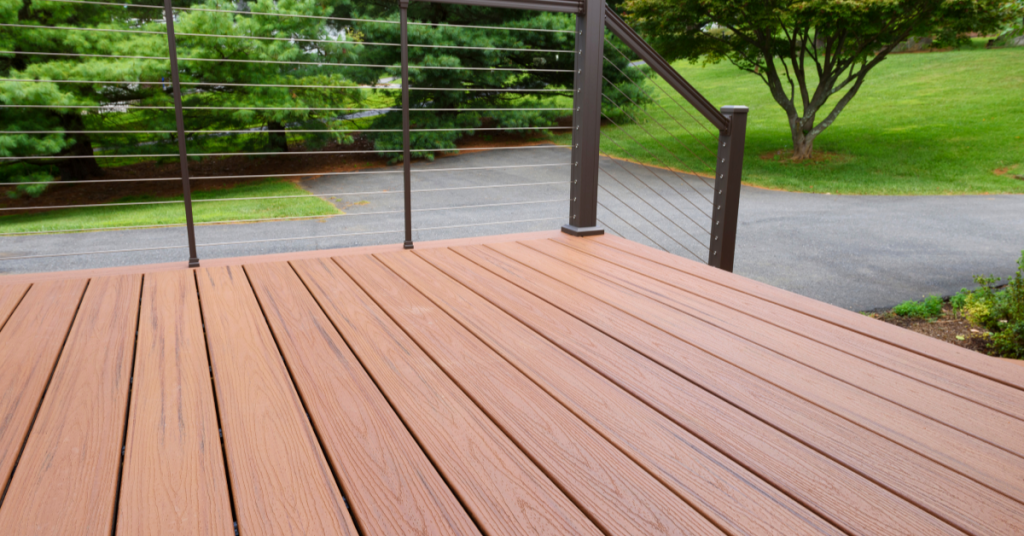
Composite decking boards are manufactured from a mix of recycled wood fibres and plastic polymers, bound together under high heat and pressure. The result is a board that looks and feels similar to natural timber but behaves very differently over time. The plastic component makes the boards resistant to moisture, rot, and insect damage, while the wood fibres give them a natural grain and texture.
Most quality composite boards use a capping layer on all four sides. This is a thin polymer shell that wraps around the core and protects it from UV damage, staining, and scratching. Capped boards hold their colour much better than uncapped versions, which is a big deal in Australia where UV exposure is among the highest in the world. A board installed in Far North Queensland gets hammered by the sun far harder than one in Tasmania, and the capping layer is what keeps it from fading.
The manufacturing process has improved a lot over the past ten years. Earlier generations of composite had issues with warping, mould growth, and a plastic-looking finish that turned people off. Current products are a different story. The grain patterns look more realistic, the colour options have expanded, and the structural performance is backed by warranties that often run 25 years or longer. Builders who tried composite a decade ago and were not impressed would find the newer products almost unrecognisable.
How Composite Performs in Australian Weather
Australia’s weather varies wildly from region to region. A deck in Darwin deals with monsoon-level humidity and tropical storms. A deck in Melbourne sees four seasons in a day. A deck in Perth bakes under dry heat for months on end. Any decking material used across the country needs to handle all of this without falling apart.
Composite lumber decking performs well across these conditions for a few reasons. The boards do not absorb water the way timber does, so they do not swell, cup, or split when moisture levels change. This is a major advantage in coastal areas and tropical zones where timber decks are prone to warping within the first few years. Composite boards stay dimensionally stable, meaning they keep their shape regardless of how wet or dry the air is.
Heat is the one area where composite needs a bit of thought. Dark-coloured boards can get hot underfoot in direct summer sun, and in parts of Australia where temperatures regularly push past 35°C, this matters. Lighter colours reflect more heat and stay cooler. Some manufacturers have introduced boards with heat-reflective technology built into the surface, which helps bring surface temperatures down by several degrees. For pool surrounds and barefoot areas, choosing a lighter shade or a product with heat reduction features makes a noticeable difference.
The other weather factor worth mentioning is UV. Australian UV levels are brutal, and they bleach unprotected materials fast. Quality composite boards with full capping resist this fading. Most suppliers offer colour-fade warranties specifically for the Australian market, typically guaranteeing that the boards will not lose more than a certain percentage of their original colour over 10 to 25 years. Checking the warranty details before buying is a good habit, as the coverage varies between products and price points.
What It Costs and What Affects the Price
Pricing is one of the first things people look into, and it is where composite gets compared directly to timber. The upfront cost of composite decking boards price per linear metre is higher than most standard hardwoods. Depending on the product, composite boards typically run between $60 and $120 per square metre for the boards alone, before installation.
That sounds like a lot compared to treated pine at $30 to $50 per square metre or even merbau at $50 to $80. But the comparison is misleading if it only looks at the purchase price. Timber decks need oiling every 6 to 12 months. A quality decking oil costs $40 to $80 per tin, and a standard deck uses two to three tins per coat. Over a 20-year period, that adds up to thousands of dollars in maintenance costs alone, not counting the labour time or the occasional board replacement when rot sets in.
Composite decking prices look very different when calculated over the life of the deck. Composite needs almost no maintenance. A wash with soapy water and a soft brush once or twice a year is enough. No oiling, no sanding, no staining, no replacing rotten boards. When the total cost of ownership is factored in over 15 to 25 years, composite often works out cheaper than timber. Builders and property investors who think in terms of lifetime cost rather than upfront spend are the ones who have been quickest to make the switch.
The things that affect composite pricing include the brand, the board profile (solid core versus hollow core), the capping type, the colour, and the warranty length. Premium products with full four-sided capping, realistic woodgrain textures, and 25-year warranties sit at the top of the range. Entry-level products with basic capping and shorter warranties come in at the lower end. Getting quotes from a few different suppliers and comparing like for like is the best approach.
Where Composite Is Most Popular Across Australia
Sydney
Composite decking Sydney has seen strong growth, driven by a mix of new builds and renovation projects. Sydney’s housing density means a lot of decks are built on smaller footprints, rooftop terraces, and balconies where low maintenance is a priority. Nobody wants to be oiling a rooftop deck twice a year, and body corporate rules in apartment buildings often restrict the chemicals and finishes that can be used in common areas. Composite ticks those boxes.
The coastal suburbs from the Northern Beaches down to Cronulla deal with salt air, which accelerates corrosion and decay in timber. Composite’s resistance to moisture and salt makes it a natural fit for these areas. Builders working along the Sydney coastline report that composite now makes up a significant share of their decking projects, particularly for waterfront properties and pool surrounds.
Sydney’s building standards and council requirements are strict, and composite products that carry the necessary Australian certifications (including bushfire ratings where applicable) are readily accepted. Most quality composite brands sold in Australia meet the relevant BAL (Bushfire Attack Level) ratings, which is a requirement for properties in designated bushfire-prone zones across the Greater Sydney area.
Brisbane
Composite decking Brisbane is a strong market, and the subtropical weather is a big part of the reason. Brisbane’s combination of heat, humidity, and heavy summer rain creates the perfect conditions for timber to warp, crack, and grow mould. Hardwood decks in South East Queensland often need attention within the first two to three years, and softwood decks can show serious deterioration even sooner.
The outdoor lifestyle in Brisbane means decks get used heavily. Entertaining areas, barbecue zones, and alfresco dining spaces are standard in most homes. A material that stays flat, does not splinter, and does not need regular treatment fits this lifestyle well. Families with young kids running around barefoot particularly appreciate the splinter-free surface.
Brisbane’s building boom in the outer suburbs and corridor areas has brought a wave of new homes with composite decking specified from the design stage. Project builders are starting to offer composite as a standard upgrade option, and custom home builders are specifying it more frequently as clients become aware of the long-term benefits over timber.
Gold Coast
The Gold Coast is one of the toughest environments for any building material. Salt air, intense UV, high humidity, and heavy use from a population that lives outdoors. Composite decking Gold Coast installations have increased steadily as builders and homeowners see how badly timber performs in these conditions without constant upkeep.
Holiday rentals and investment properties on the Gold Coast are another driver. Property managers and owners of Airbnb-style rentals want decking that looks good year-round without needing someone to come out and oil it between guests. Composite delivers that low-effort, always-presentable finish that rental properties need.
Pool areas are a massive use case on the Gold Coast. Composite boards with anti-slip surfaces and heat-reflective properties are specified frequently around pools, spas, and outdoor showers. The material handles chlorinated water splashes and sunscreen residue without staining, which is more than most timbers can claim.
Melbourne
Composite decking Melbourne has grown steadily, with the city’s unpredictable weather being a driving factor. Melbourne can swing from 40°C heat to cold rain within 24 hours, and that constant expansion and contraction wreaks havoc on timber decking. Boards cup, nails pop, and gaps open up. Composite handles these temperature swings without the same level of movement.
Melbourne’s design scene leans towards clean, modern outdoor spaces. Composite boards in charcoal, grey, and dark brown tones suit the contemporary aesthetic that Melbourne homeowners and designers favour. The consistent colour and finish across every board gives a polished look that is hard to achieve with natural timber, where colour variation between boards is common.
The renovation market in Melbourne’s inner suburbs, where heritage homes are updated with modern extensions and outdoor living areas, has been good for composite. These projects often involve smaller decking areas attached to existing structures, where the low-maintenance benefits of composite are particularly attractive to homeowners who have already spent heavily on the renovation itself and do not want ongoing maintenance costs on top.
Composite Decking Across Australia
The shift toward composite decking Australia is happening in every state and territory. Demand has grown in Adelaide, Perth, Hobart, and regional areas just as much as in the capital cities. Suppliers now ship Australia-wide, and most offer sample packs so homeowners can see and feel the product before committing to a full order.
Composite wood decking boards are stocked by specialist decking suppliers, building material retailers, and some larger hardware chains. The range available in Australia has expanded significantly, with products imported from Asia, Europe, and North America, alongside some locally assembled options. Comparing products across suppliers is straightforward once the specifications are understood: board dimensions, core type, capping type, colour options, and warranty terms.
For anyone building a new deck or replacing an old timber one, composite is worth a serious look. The upfront cost is higher, but the time, money, and effort saved over the life of the deck more than makes up for it. A well-installed composite deck should still look close to new after 15 or 20 years, with nothing more than an occasional wash to keep it clean. That is a deal most homeowners are happy to take.