Industrial magnets are important in many sectors, from mining and mineral processing to recycling and manufacturing. They are used to separate, lift, and handle different materials, helping to improve efficiency and product quality. Below is an overview of common types of magnets used in industry and how they play a role in daily operations.
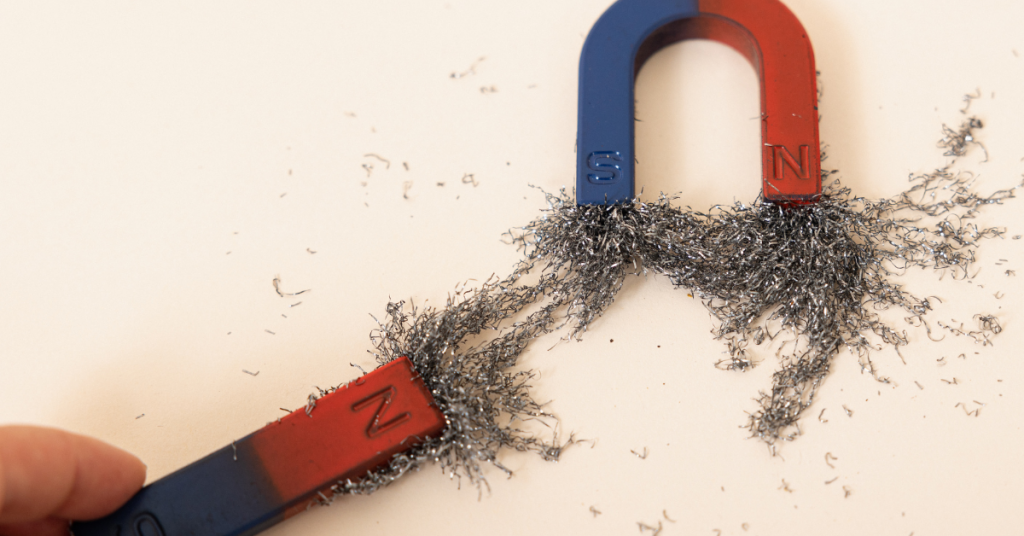
Separating Materials in Processing
In mining and processing, separating valuable minerals from waste is a constant task. A dry magnetic separator is designed to remove magnetic particles from dry material streams without the need for water. This makes it useful in areas where water supply is limited or where moisture could damage the material being processed. These machines are often found in mineral sands, coal, and iron ore processing plants.
For processing ores such as chrome, a Ferrochrome Magnet can be used to recover valuable material from slag or other waste streams. This recovery process not only improves yield but also reduces waste disposal needs.
Role in Beneficiation Plants
In the mining sector, beneficiation refers to improving the quality of extracted material. For example, iron ore beneficiation plants often rely on magnetic separation to improve the iron content in the final product. The magnets remove impurities and improve the value of the ore.
Similarly, coal beneficiation processes use magnetic separators to remove unwanted particles from coal. This results in cleaner coal that burns more efficiently and meets environmental regulations.
Material Handling and Safety
Magnets are also important in handling heavy and bulky products. Material handling magnets make it possible to move large steel plates, scrap metal, and other magnetic items without direct contact. This reduces the need for chains, hooks, and manual lifting, improving workplace safety and reducing handling time.
In mines and quarries, mining magnets are used to recover metal fragments from conveyor belts and processing lines. This protects downstream equipment from damage and reduces downtime caused by machinery repairs.
Protection of Equipment
A suspended conveyor magnet is installed above conveyor belts to remove metal debris before it can damage crushers, grinders, or screens. This is particularly important in recycling plants, quarries, and bulk handling facilities where tramp metal could cause costly damage.
A suspended magnetic separator works in a similar way, removing unwanted metal from moving materials. These separators are often adjustable to handle different belt widths and load sizes.
Removing Unwanted Metal
A tramp magnet is designed to remove unwanted metal pieces, known as tramp metal, from product streams. These metal pieces could come from broken equipment parts, loose tools, or other sources. Removing them prevents damage to processing machinery and ensures the product remains clean.
For larger or more demanding applications, tramp metal magnets are used. These can be permanent or electromagnetic, depending on the needs of the plant. They are often placed at key points along production lines to catch metal before it causes problems.
Practical Examples of Use
In a quarry, a conveyor belt carrying crushed stone might have a suspended conveyor magnet placed above it to catch metal debris from excavators or trucks. This prevents damage to the crushers further down the line.
In a coal processing facility, a dry magnetic separator can be used to clean coal before shipment, improving its burning efficiency. In a ferrochrome smelter, a ferrochrome magnet can help recover valuable metal from waste slag.
In a scrap yard, material handling magnets make lifting and loading heavy steel faster and safer, while tramp magnets keep non-metallic loads clean for further processing.
Why They Are Important
Industrial magnets play a quiet but vital role in many industries. They help recover valuable materials, improve product quality, and protect expensive equipment. Without them, many processes would be slower, less efficient, and more costly. From mining to manufacturing, their role in keeping production safe and efficient is hard to replace.