Every organisation, large or small, deals with a constant flow of paperwork. Contracts, invoices, reports, and emails all need to be stored, shared, and accessed easily. Without proper organisation, documents get lost, duplicated, or misfiled. This is where a Document Management Software system makes a big difference. It brings structure to how documents are created, stored, and shared, reducing confusion and saving valuable time.
A good management system helps companies move away from cluttered paper-based processes and scattered digital folders. It introduces a structured approach that ensures important files are never misplaced. In short, it allows businesses to work smarter, not harder.
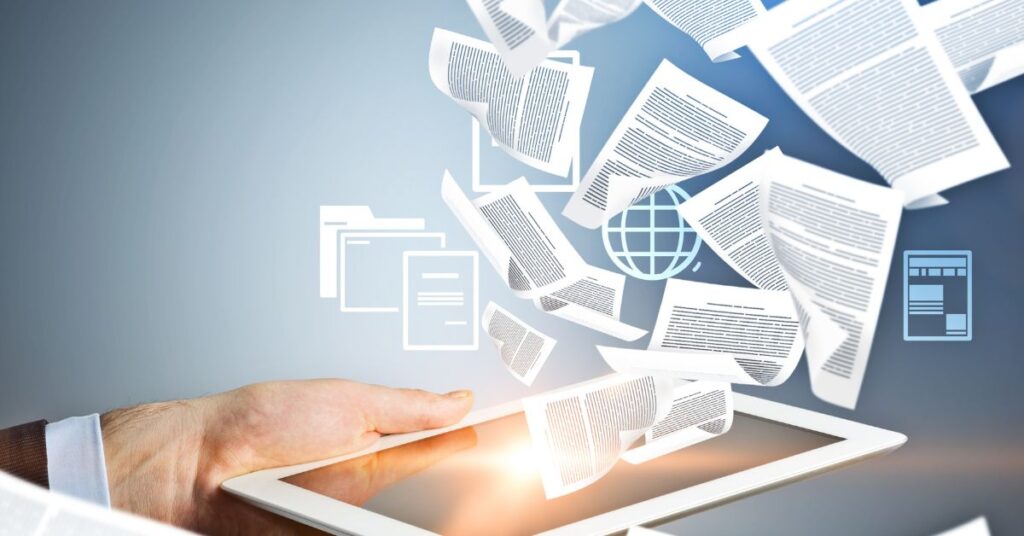
Why Businesses Need Document Management
Paper documents can take up physical space and make it harder to find what you need quickly. In a typical office, a lot of time is wasted searching for old contracts or client information. Documuent Management systems solve this problem by keeping all records in one central place. This makes it easy for staff to retrieve documents instantly, whether they’re in the office or working remotely.
Beyond convenience, these systems also help companies meet compliance requirements. Many industries have strict rules about how long documents must be kept and how they should be handled. A document management system ensures every file is stored properly, tracked for updates, and protected from unauthorised access. This gives businesses peace of mind knowing their records are safe and traceable.
When a team adopts a structured system, they not only save time but also reduce the chance of human error. Files are easier to label, access, and share without losing version control. This builds consistency and accountability across departments.
How a Document Management System Works
At its core, a document management system captures, organises, and retrieves files. It can work with both digital uploads and scanned paper documents. Each file is indexed with keywords or metadata, making it easy to search by name, category, or date. Instead of browsing through folders manually, users can type a few words to find what they need instantly.
The process usually starts with capturing documents through scanning or direct upload. Once stored, the system categorises them automatically based on pre-set rules. These could include document type, project name, or department. Files can then be edited, shared, or approved electronically without the need for printing or mailing.
Many modern document management solutions also include workflow automation. This feature routes documents to the right people for approval or review. For example, an invoice can automatically move from accounts payable to management for sign-off, with every step recorded for transparency.
Benefits of Using Document Management Software
Implementing Document Management Software south africa brings a wide range of advantages that go beyond basic organisation.
- Faster access to information – Employees can find what they need within seconds, cutting down wasted time.
- Better teamwork – Multiple people can view or edit a file simultaneously without confusion over versions.
- Increased security – Access controls ensure only authorised staff can view or edit sensitive documents.
- Lower costs – Reducing paper use and storage space saves money in the long run.
- Accurate record keeping – Every action taken on a file is tracked, helping with accountability and compliance.
- Environmental impact – Less printing means a greener and more sustainable workplace.
When these systems are used correctly, the results are noticeable almost immediately. Teams become more efficient, customer service improves, and information flows smoothly throughout the organisation.
Security and Compliance Considerations
Security is one of the most critical factors in document management. Every business handles confidential data that must be protected from misuse or loss. A secure document management system keeps this data safe through encryption, backups, and controlled access levels. Only authorised users can open or modify sensitive files, reducing the risk of accidental leaks.
In addition, regulatory compliance is simplified. Industries like finance, healthcare, and law require strict document control to comply with legal obligations. With a reliable system, every edit, download, or share is recorded. This audit trail makes it easy to prove compliance during inspections or legal reviews.
Even in smaller companies, security matters. Accidents like accidental deletion or misplaced files can have major consequences. Automated backups and version history features prevent this by allowing files to be restored quickly.
Practical Applications Across Industries
Document management is relevant in almost every sector. In healthcare, it helps store patient records securely and allows doctors to access information instantly. In manufacturing, it ensures that safety documents and compliance certificates are always up to date. In education, it keeps student files and administrative records neatly organised. Even small businesses benefit from having a single place to store contracts, receipts, and correspondence.
For example, a construction company might use a document management software system to store blueprints, safety checklists, and supplier invoices. With everything stored digitally, project managers can review updates on-site using tablets or laptops instead of carrying stacks of paper.
The beauty of these systems is their flexibility. They can be adapted to fit any business type, regardless of size or industry. The end result is always the same—better control over information and smoother daily operations.
Transitioning from Paper to Digital
Many companies still keep physical records, even though digital storage offers more convenience. Moving from paper to digital doesn’t have to happen overnight. It can be done in stages by scanning and uploading older files while setting up new processes for digital documents going forward.
Staff training is an important part of this shift. Employees should understand how to use the system, upload files, and manage access permissions. Once everyone is familiar with the platform, it becomes second nature to store and find information electronically. Over time, this reduces clutter and makes work much faster.
The savings can be significant. Businesses no longer need to buy filing cabinets, storage boxes, or pay for off-site archives. The workplace becomes more organised, and employees can focus on productive tasks instead of paperwork.
Integrating Document Management with Other Systems
A strong advantage of modern document management solutions is their ability to integrate with other tools. For instance, they can connect to accounting systems, project management software, or customer relationship management platforms. This allows users to access relevant documents directly from the applications they already use.
Imagine a sales manager opening a client’s profile in the CRM and being able to view their signed contract immediately. Or an HR officer checking employee records directly through payroll software. These integrations simplify workflows and reduce the need to switch between multiple programs.
Integration also ensures data consistency. When changes are made in one system, they reflect across connected platforms, reducing manual errors and duplicated work.
Overcoming Common Challenges
Adopting new technology can cause some hesitation, especially for teams used to traditional filing methods. The key to success lies in proper planning. Start small, define clear rules for naming and organising documents, and gradually expand usage. Once employees see the benefits—like faster access and fewer errors—they quickly adapt.
Another challenge involves migrating existing data. While it may seem daunting, it’s usually a one-time task. With professional assistance and a clear plan, even large volumes of information can be transferred smoothly into a new system. After setup, maintenance becomes minimal, and the payoff in efficiency is well worth it.
The Future of Document Management
The workplace continues to move toward flexible, remote operations. Employees need to access information from any location, and businesses must ensure security while doing so. A web-based document management system provides that balance. It allows staff to upload, edit, and share files from any device while keeping all activity monitored and secure.
Looking ahead, automation and cloud storage will continue to shape how companies manage their information. Businesses that invest early in efficient systems are better prepared for growth, compliance demands, and technological change.
The use of Document Management Software in South Africa and beyond is no longer a luxury but a necessity. It streamlines operations, strengthens collaboration, and supports a more organised way of working. Whether for small teams or large enterprises, implementing this solution is one of the most practical steps toward modern and efficient business management.