People lose hair for many different reasons. It could be age, stress, genetics, or medical conditions. While some accept it, many look for ways to restore their hair and confidence. Modern treatments have made that possible with options like hair transplant procedures, hair transplants for larger areas, hair implants for precision work, and hair replacement surgery for more advanced restoration.
What a Hair Transplant Is
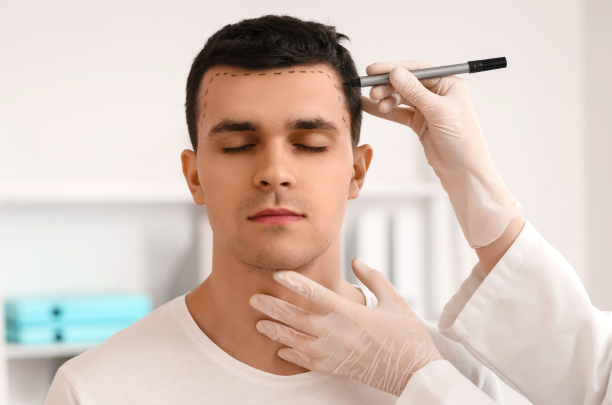
A hair transplant is a medical procedure that moves hair follicles from one part of the body, usually the back of the scalp, to a thinning or bald area. The transplanted hair grows naturally and permanently, which is what makes this method so popular.
There are two main types. The first is called Follicular Unit Extraction (FUE). In this method, single follicles are removed and placed in the new area. The second is Follicular Unit Transplantation (FUT), which removes a strip of hair and separates it into smaller grafts. Both aim to create a natural look without leaving large scars.
People often choose this option when other treatments, such as topical creams or supplements, fail to give results. It is usually done under local anaesthetic, meaning the person stays awake but feels no pain during the process.
How Hair Transplants Work
When doctors perform hair transplants, they carefully plan where each follicle will go. The placement and angle matter a lot because they determine how natural the results look. Once the procedure is complete, the transplanted hair starts growing after a few months, blending with existing strands.
The process takes several hours, depending on the size of the area being treated. Some people need more than one session for full coverage. The best part is that the transplanted hair behaves like normal hair. It can be washed, styled, and cut without worry.
After the surgery, the scalp may feel sensitive for a few days, and mild swelling is normal. Doctors often give medication to ease any discomfort and to protect against infection. Within a few weeks, most people return to their normal routines.
The Role of Hair Implants
While hair implants are sometimes used interchangeably with transplants, there is a difference. Implants often refer to artificial fibres or specially treated natural hairs that are inserted into the scalp. These can be used for people who do not have enough donor hair for a traditional transplant.
They offer quick cosmetic improvement but may not always last as long as natural transplants. In some cases, implants are used alongside traditional grafts to improve thickness and coverage.
Technicians ensure that each implanted strand matches the person’s natural colour and texture as closely as possible. When done well, the result looks full and realistic. However, follow-up maintenance is important to keep the implanted hair healthy and looking natural.
Understanding Hair Replacement Surgery
Hair replacement surgery covers a range of advanced procedures that aim to restore a full head of hair. It can involve transplants, implants, scalp reduction, or tissue expansion.
Scalp reduction removes bald areas and pulls the hair-covered skin closer together. Tissue expansion involves placing a device under the scalp that slowly stretches the skin over time to grow new tissue. These methods are more invasive and are often reserved for people with severe hair loss.
This type of surgery requires an experienced medical team and proper aftercare. Patients need to follow recovery instructions carefully to achieve the best outcome.
Common Reasons People Choose Hair Surgery
People decide on hair transplants or similar procedures for both personal and emotional reasons. Hair plays a big role in how we see ourselves. Losing it can affect confidence and even professional life for some.
A man in his forties might choose a transplant after noticing thinning patches that make him look older. A woman recovering from stress-related hair loss might consider implants to regain her volume. For others, it’s about feeling like themselves again after an illness or surgery.
The main motivation is always the same: to feel comfortable in their own skin again. These treatments help people regain a natural look that boosts self-image.
What to Expect During the Recovery
After a hair transplant, the first few weeks are about rest and protection. Doctors recommend gentle washing, avoiding harsh sunlight, and not scratching the scalp.
Some hair may fall out in the first month, which is part of the normal cycle. New growth starts showing after three to four months. Full results are usually visible within a year.
Swelling and redness fade over time, and the transplanted follicles settle into the scalp. Patience is key, but once the hair starts growing, the change is noticeable and lasting.
Realistic Results and Expectations
No procedure can give a perfect head of hair instantly, but modern hair implants and surgical methods come close. The final look depends on factors like age, hair texture, donor availability, and the skill of the surgeon.
Most people report a major improvement in confidence once they see the new growth. They feel more like themselves and often say they wish they had done it sooner.
The success rate for these procedures is high when performed by qualified professionals. People can enjoy long-term results without the constant worry of thinning hair.
Maintenance After Surgery
Once the new hair grows in, maintenance becomes simple. Normal shampoo and conditioner can be used, and styling products work the same way. Regular trimming keeps everything even and healthy-looking.
Doctors may suggest mild supplements or topical solutions to support continued growth. Avoiding smoking, managing stress, and following a balanced diet also help maintain strong hair.
The good thing is that most transplanted or implanted hair stays for life, giving lasting value for the effort and cost involved.
Final Thoughts
Hair restoration gives people a second chance at feeling confident. Whether it’s a hair transplant for coverage, hair implants for volume, or hair replacement surgery for advanced cases, the results can be life-changing. These options prove that hair loss is not something anyone has to accept without help.
Get help today https://hairclinicinternational.co.za/