A vehicle relies on many moving parts to work as it should. One of the most important parts is the gearbox. It controls how power moves from the engine to the wheels. Without it, a car would not move in a smooth or controlled way. Many drivers only think about this part when something feels wrong, such as rough gear changes, strange noises, or slow response when driving.
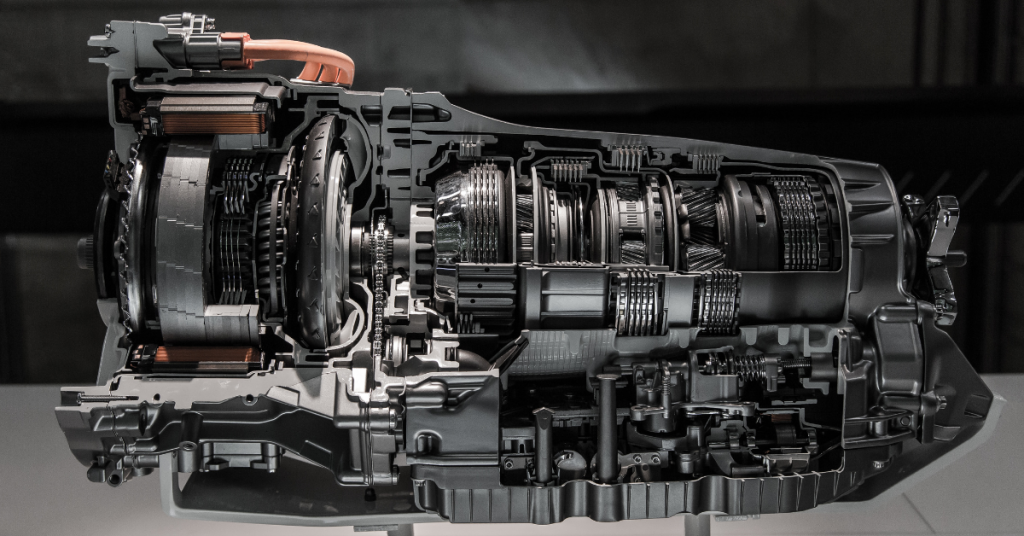
A gearbox manages speed and torque. It helps the engine work within a safe range while the vehicle speeds up or slows down. When it works well, driving feels natural and steady. When it starts to fail, the driving experience can change quickly. Learning how this system works helps drivers spot early signs of trouble and avoid bigger issues later.
What a Gearbox Does in Daily Driving
Each time a driver changes speed, the gearbox adjusts how power is sent to the wheels. Lower gears help a car move from a stop or climb a hill. Higher gears help keep fuel use steady at higher speeds. This process happens many times during a normal drive, even on short trips.
A gearbox contains gears, shafts, and fluid that work together under pressure. Over time, heat and wear affect these parts. Fluid can break down. Gears can wear unevenly. Small issues may not be obvious at first, though they tend to grow when ignored. A slight delay during gear changes may turn into slipping or grinding sounds later.
Driving habits play a role. Sudden acceleration, heavy loads, or towing can put extra strain on the system. Stop and go traffic can add heat and stress as well. Regular checks help catch problems before they become serious.
Signs That Should Not Be Ignored
Vehicles often give warnings when the gearbox starts to struggle. A common sign is rough shifting. Gears may change with a jerk instead of a smooth motion. Another sign is slipping, where the engine revs but the car does not gain speed as expected. Some drivers notice a burning smell, which can point to old or overheated fluid.
Strange noises matter too. Whining, clunking, or grinding sounds can come from worn parts inside the unit. Leaking fluid under the car is another clear sign. Gearbox fluid is usually red or brown and has a strong smell. Any leak should be checked quickly.
Some drivers search for a gearbox near me when these issues appear. Acting early can limit damage and reduce long term costs.
Why Maintenance Makes a Difference
Gearbox systems last longer when cared for properly. Fluid changes are one of the most basic steps. Clean fluid keeps parts cool and reduces friction. Old fluid loses its ability to protect internal components.
Checks during routine servicing help spot wear. Seals, mounts, and linkages can loosen over time. A small repair at the right time often prevents major damage later. Vehicles used for work or long trips benefit even more from regular attention.
Drivers often delay maintenance because the vehicle still moves. This can be risky. Gearbox issues rarely fix themselves. They usually get worse with time and use.
Repairs and Practical Expectations
When problems appear, repairs depend on the cause. Some fixes involve replacing seals or sensors. Other jobs require opening the unit to replace worn gears or bearings. In serious cases, a full rebuild may be needed.
Many people look for gearbox repairing near me when shifting problems become constant. Repair time varies. Simple work can take a day, while complex repairs may take longer. Clear communication and proper testing help avoid repeat issues.
Drivers should ask questions and understand what work is being done. Knowing the difference between minor fixes and major repairs helps set realistic expectations.
The Role of Regular Servicing
Routine servicing plays a key role in gearbox health. A gearbox service near me often includes fluid checks, filter replacement, and inspection of related parts. These steps help keep the system running as intended.
Service schedules differ by vehicle type and driving style. City driving may need more frequent checks due to heat and stop start movement. Long distance driving can be easier on the system, though fluid still breaks down over time.
Skipping service visits can lead to hidden damage. By the time a clear symptom appears, wear may already be advanced. Regular care helps avoid unexpected breakdowns.
Gearboxes and Vehicle Types
Manual and automatic systems work differently, though both serve the same purpose. Manual units rely on the driver to change gears using a clutch. Automatic systems handle gear changes on their own using fluid pressure and sensors.
Each type has its own wear patterns. Manual systems may show clutch wear or difficulty engaging gears. Automatic systems may show slipping or delayed shifts. Modern vehicles often use advanced designs that depend on clean fluid and precise control.
Understanding the type fitted to a vehicle helps drivers know what signs to watch for and what care is needed.
Choosing a Replacement Option
In some cases, repair is not the best option. Severe damage may make replacement more practical. People often search for a gearbox for sale when repairs are too extensive or costly.
Replacement units may be rebuilt or reconditioned. These units are tested before installation and can offer a longer working life than a worn original. Choosing the right option depends on vehicle age, usage, and budget.
Drivers should consider long term reliability, not just short term savings. A well prepared replacement can restore smooth driving and peace of mind.
How Differentials Fit Into the System
Power delivery does not stop at the gearbox. It works closely with differentials to allow wheels to turn at different speeds. This is vital when turning corners. Without this function, tyres would wear quickly and handling would suffer.
Problems in this area can feel similar to gearbox issues. Clunking noises, vibration, or uneven tyre wear can point to trouble. Proper inspection helps tell the difference between gearbox faults and differential wear.
Both systems rely on proper lubrication and alignment. When one fails, it can affect the other. Balanced care helps the whole drivetrain last longer.
Real Driving Examples
A driver may notice that a vehicle hesitates when pulling away from a stop. At first, it feels minor. Over weeks, the delay grows longer. In another case, a driver hears a faint whining sound during highway driving. These early signs often point to internal wear or fluid breakdown.
Many long term problems start small. Drivers who act early often avoid being stuck on the roadside. Regular checks and attention to changes in vehicle behaviour make a clear difference.
Practical Tips for Everyday Care
Simple habits help protect the gearbox. Allowing the vehicle to warm up before heavy driving reduces strain. Avoid sudden gear changes under load. Use the correct fluid type during servicing.
Pay attention to changes in sound or feel. A vehicle that feels different is often signalling a problem. Keeping service records helps track maintenance and spot patterns over time.
Final Thoughts on Long Term Reliability
Gearboxes play a central role in how a vehicle performs. Smooth driving depends on clean fluid, healthy components, and timely care. Ignoring early signs can lead to costly repairs and downtime.
Drivers who stay aware of changes and follow proper service schedules often enjoy longer vehicle life and fewer surprises. Learning how the system works makes it easier to make informed choices and keep the vehicle running well.