Electric vehicles are becoming a normal part of daily life, with more drivers choosing them for their quiet operation, low running costs, and environmental benefits. But at the centre of this shift is one key element: the charger. EV Chargers are what make electric mobility practical. They connect cars to the grid, keep batteries full, and make driving smooth and worry-free. This article breaks down how these chargers work, the different types available, and what to think about when setting up or using one.
What an EV Charger Actually Does
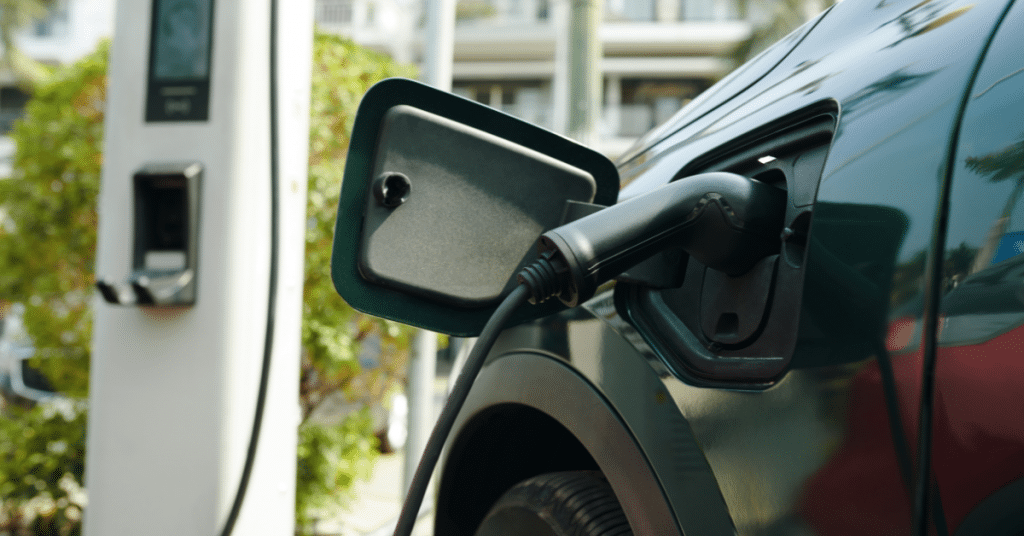
Charging an electric vehicle may sound complex, but it is quite simple. The charger acts as the link between your power supply and your car’s battery. It transfers electricity safely while controlling voltage and current to prevent damage. Once plugged in, the car’s system communicates with the charger, ensuring that the power flow remains steady and safe.
There are three general levels of EV charging:
- Level 1 uses a standard household plug and is best for light daily driving. It charges slowly, often overnight.
- Level 2 provides faster charging by using a dedicated electrical circuit, common for home and business installations.
- DC fast chargers are the fastest type, designed for public stations or highways where drivers need a quick boost.
Each type serves a purpose depending on how much driving you do and how often you can charge.
The Rise of Electric Car Chargers
Electric car Chargers have evolved along with electric vehicles themselves. Early models were slow and limited in capacity, but newer versions are efficient, safer, and easier to use. They now come with built-in protections against overheating, power surges, and short circuits.
Many modern chargers are “smart,” meaning they connect to Wi-Fi and can be managed through an app. This allows drivers to track how much electricity they’re using and how long charging will take. Some systems even let you schedule charging to start at night when electricity rates are lower. These small improvements make the entire experience more convenient and affordable.
Charging at Home
One of the biggest advantages of owning an electric car is the ability to charge it at home. For many, it’s as simple as plugging in before going to bed and waking up to a full battery. Home chargers come in a range of designs and power outputs.
Most homeowners choose a wall-mounted Level 2 charger, which can fully charge a vehicle overnight. It’s faster and safer than using a standard plug. Installing one may require an electrician, especially to confirm that your wiring can handle the higher current. Once set up, the process is easy and requires little attention.
If you live in an apartment or complex, shared charging points are becoming more common. Property managers are starting to see that these stations add value and convenience for tenants, making them a popular feature in modern developments.
Public Charging Stations and Their Growth
Public charging networks are expanding rapidly. Drivers can now find chargers at shopping centres, office parks, petrol stations, and along major travel routes. These stations make long-distance travel more practical, giving peace of mind that power is always within reach.
Some chargers are free to use, while others require payment through an app or card. Charging times depend on the charger’s power level and the car’s battery size. Fast-charging points can often restore 80% of a battery in under an hour, perfect for quick stops during travel.
For businesses, installing public or semi-public chargers can attract customers and create a reputation for forward thinking. It also shows commitment to environmental goals.
Electric Vehicle Chargers and Sustainability
Every electric car relies on Electric vehicle chargers to stay powered, but they also play a larger role in reducing environmental harm. Charging with electricity instead of petrol or diesel reduces emissions, especially when the energy comes from renewable sources like solar or wind.
At home, many EV owners pair their chargers with solar panels. This setup means the car is powered by clean energy produced directly on-site. Businesses are doing the same, installing renewable systems to offset charging costs and support sustainability goals.
In time, the connection between vehicles and renewable energy will continue to grow stronger, creating a cleaner and more balanced energy system overall.
How Charging Technology Is Changing
EV technology is improving quickly, and charging systems are following suit. Smart chargers already let users control and monitor sessions remotely, but upcoming models go even further. Wireless charging is one example. It uses a pad on the ground that transfers power through induction when a car is parked above it. This removes the need for cables entirely.
Another exciting feature being developed is bidirectional charging. This allows a vehicle to send power back into the home or grid when needed. In simple terms, your car becomes a portable power bank that can help during outages or peak demand times.
These changes are turning EV charging from a one-way process into something far more interactive, benefiting both drivers and the wider energy network.
Cost and Maintenance
Setting up a home charger involves some cost, but the long-term savings usually make it worthwhile. Once installed, maintenance is minimal. Most chargers are built to handle weather exposure and long hours of use. Keeping the plug and cables clean and dry is usually all that’s needed.
Public charging costs vary depending on speed and location. Some workplaces or malls offer free charging as an incentive, while highway stations may charge per minute or per kilowatt-hour. As more networks expand, competition helps keep prices fair.
Compared to petrol, electric charging remains cheaper per kilometre in most areas, making EVs cost-effective for daily use.
Practical Tips for Charging Safely
Safety should always come first when using any electrical equipment. EV chargers are designed with multiple layers of protection, but users should still follow a few common-sense steps:
- Always use the correct charging cable for your car model.
- Avoid charging in wet or flooded areas.
- Regularly check cables for cracks or wear.
- If something feels off, stop charging and consult a professional.
Following these habits keeps your equipment reliable and extends its lifespan.
The Convenience Factor
One of the reasons more people are switching to electric cars is convenience. Charging at home means no more stops at petrol stations. Even at public stations, the process is simple: plug in, start charging, and walk away. Many people treat it like charging a phone, setting it up and forgetting about it until it’s ready.
With time, electric driving becomes second nature. Schedules adjust naturally around charging times, and the peace of mind of having energy ready each morning outweighs any initial learning curve.
Looking Ahead
The future of electric transport looks steady and practical rather than far off or complicated. Every improvement in charging speed, efficiency, and accessibility makes owning an EV easier for everyone. From home setups to fast public stations, charging is no longer a challenge but a normal part of life.
EVs are helping shape a world where transport is quieter, cleaner, and simpler. The technology is improving at a steady pace, and as more people switch, infrastructure will only get better.