Walk through any department store and the perfume section will be filled with glass bottles containing alcohol-based sprays. This has been the standard for decades. But a quiet shift is happening. More people are turning to oil-based alternatives that offer a different experience. The scent sits closer to the skin, lasts longer, and works better for those with sensitive skin who react badly to alcohol.
Fragrance oils for perfume have gained a loyal following among scent lovers who want something different from mainstream options. These concentrated formulations deliver rich, complex scents without the harshness that alcohol can bring. They work with body chemistry rather than fighting against it, creating a more personal and intimate fragrance experience.
How Oil-Based Differs from Alcohol-Based
Traditional spray perfumes use alcohol as a carrier. When sprayed, the alcohol evaporates quickly, projecting the scent outward in an initial burst. This creates the familiar sillage, that trail of fragrance people notice when someone walks past. The downside is that the scent can fade within hours as the volatile alcohol takes some of the fragrance with it as it evaporates.
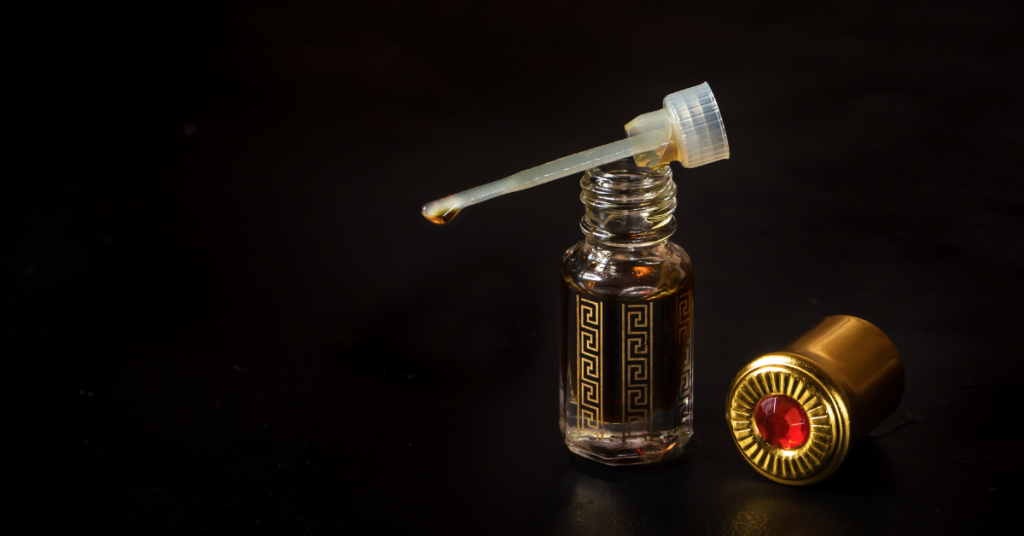
Perfume oils take a different approach. The fragrance compounds are suspended in a carrier oil, often jojoba, sweet almond, or fractionated coconut oil. Without alcohol to evaporate, the scent releases slowly and steadily throughout the day. The projection is more subtle, creating a personal scent bubble rather than announcing presence from across the room.
The longevity of oil-based fragrances surprises many first-time users. Where an alcohol spray might last four to six hours, an oil can remain noticeable for eight to twelve hours or even longer. The scent evolves gradually on the skin, with different notes becoming apparent as the day progresses. This slow release gives a more natural, organic quality to the fragrance experience.
Concentration levels are typically higher in oil-based products. A scented oil perfume might contain 20% to 30% fragrance compounds, compared to 15% to 20% in a typical eau de parfum. This higher concentration means less product is needed per application. A small roll-on bottle can last months when used daily, making it economical in the long run.
Benefits for Sensitive Skin
Alcohol dries out skin. Anyone who has sprayed perfume on dry or cracked skin knows the sting that follows. For people with eczema, psoriasis, or generally sensitive skin, alcohol-based fragrances can be problematic. The irritation discourages use, leaving scent lovers without options they can comfortably wear.
Oil based perfumes eliminate this problem. The carrier oils are moisturising rather than drying. They absorb into the skin, delivering fragrance while also providing hydration. Many users report that their skin feels softer in areas where they apply oil-based scents. The fragrance becomes part of skincare rather than working against it.
People with respiratory sensitivities sometimes struggle with spray perfumes. The fine mist can be inhaled, causing coughing, sneezing, or headaches in those who are prone to such reactions. Oil-based alternatives applied directly to the skin avoid this issue entirely. The scent rises gently from the body without floating particles in the air to irritate airways.
Pregnancy often brings heightened sensitivity to smells and skin reactions. Many expectant mothers find their regular perfumes suddenly unbearable or irritating. Oil-based fragrances, with their gentler application and slower release, often remain comfortable throughout pregnancy. The milder projection means the scent does not overwhelm, even when pregnancy amplifies smell perception.
Application Techniques
Applying oil-based fragrance differs from spraying traditional perfume. Most oils come in roll-on bottles or with dropper applicators. The product is applied directly to the skin rather than misted through the air. This direct application puts the fragrance exactly where intended, with no waste from overspray or scent lost to the surrounding air.
Pulse points remain the prime locations for application. The wrists, neck, behind the ears, inside the elbows, and behind the knees all generate warmth that helps release the scent. Rolling or dabbing oil onto these areas creates a subtle but persistent fragrance that develops throughout the day. The warmth from blood flow near the skin surface activates the scent continuously.
Hair holds fragrance beautifully, and oil-based products work particularly well here. A small amount applied to the ends of hair releases scent with every movement. The oil also provides some conditioning benefit, adding shine and reducing dryness. Just avoid applying too much to roots, as this can make hair look greasy.
Layering creates deeper, longer-lasting fragrance experiences. Starting with a scented body oil or lotion, then adding the concentrated fragrance oil on top, builds layers of scent that unfold over time. Each layer releases at slightly different rates, creating complexity and ensuring the fragrance remains present throughout even the longest days.
The South African Market
Interest in perfume oils SA has grown as local consumers look for alternatives to imported designer fragrances. The weak rand makes international perfume brands increasingly expensive. A bottle that once cost R800 might now be R1,500 or more. This price pressure has pushed many South Africans to seek quality scents at more accessible price points.
Local suppliers have stepped up to meet this demand. South African businesses now offer extensive ranges of oil-based fragrances, including versions inspired by popular designer scents. These alternatives provide similar olfactory experiences at a fraction of the cost. The quality has improved dramatically, with many products rivalling their expensive inspirations.
The warm South African climate actually suits oil-based fragrances well. Heat activates scent, and the warmth of local summers means oil-based products project better than they might in cooler climates. The moisturising properties of the carrier oils also help combat the drying effects of sun and wind that South African skin often faces.
Markets, craft fairs, and small business platforms have become distribution channels for local perfume oil producers. This direct-to-consumer model keeps prices down by cutting out retail markups. Buyers get to interact with sellers, ask questions, and often sample products before purchasing. The personal touch adds to the appeal of the oil-based fragrance experience.
Choosing Quality Products
Not all perfume oils are created equal. Quality varies widely depending on the fragrance compounds used and the carrier oil base. Better products use higher-grade fragrance concentrates that smell more complex and last longer. The carrier oil should be light, non-comedogenic, and neutral-smelling so it does not interfere with the fragrance.
Jojoba oil is often considered the gold standard for fragrance carriers. Its molecular structure closely resembles human sebum, allowing it to absorb well without clogging pores. It has virtually no scent of its own and remains stable over time, preserving the integrity of the fragrance compounds suspended within it.
Transparency about ingredients signals a quality supplier. Reputable sellers list what goes into their products and are willing to answer questions about sourcing and formulation. Vague descriptions or reluctance to discuss what is in the bottle should raise concerns. Knowing what is being applied to the skin matters.
Testing before committing to a full purchase makes sense with any fragrance. Many oil-based fragrance sellers offer samples or smaller sizes for trial purposes. Wearing a scent for a full day reveals how it develops on individual skin chemistry. What smells perfect in the bottle might not suit everyone, and vice versa.
Storage and Care
Oil-based fragrances require slightly different storage than alcohol-based products. Heat remains the enemy, as it can cause oils to go rancid and fragrance compounds to break down. Keeping bottles in a cool, dark location extends their life significantly. A drawer or cupboard away from windows and heating sources works well.
Light degrades fragrance oils over time. Amber or dark glass bottles provide some protection, which is why many quality products come in tinted containers. Clear bottles should be stored in complete darkness when not in use. Even brief exposure to sunlight accelerates degradation.
Air exposure introduces oxygen that can oxidise the oils. Roll-on bottles minimise air contact compared to open-top containers. Keeping bottles tightly closed when not in use extends shelf life. Decanting into smaller containers as the level drops reduces the air space inside the bottle.
Oil-based fragrances offer a different experience from traditional spray perfumes. The longer wear time, skin-friendly formulation, and intimate projection appeal to a growing number of fragrance lovers. South African suppliers have risen to meet local demand with quality products at accessible prices. For anyone curious about alternatives to alcohol-based scents, oil-based options are worth trying. They might just become the new favourite way to smell great.