Getting engaged is a big deal, and the ring that marks it matters. It is going to be worn every single day, possibly for life. That kind of commitment deserves a ring chosen with real thought not just whatever happens to be in the nearest display case.
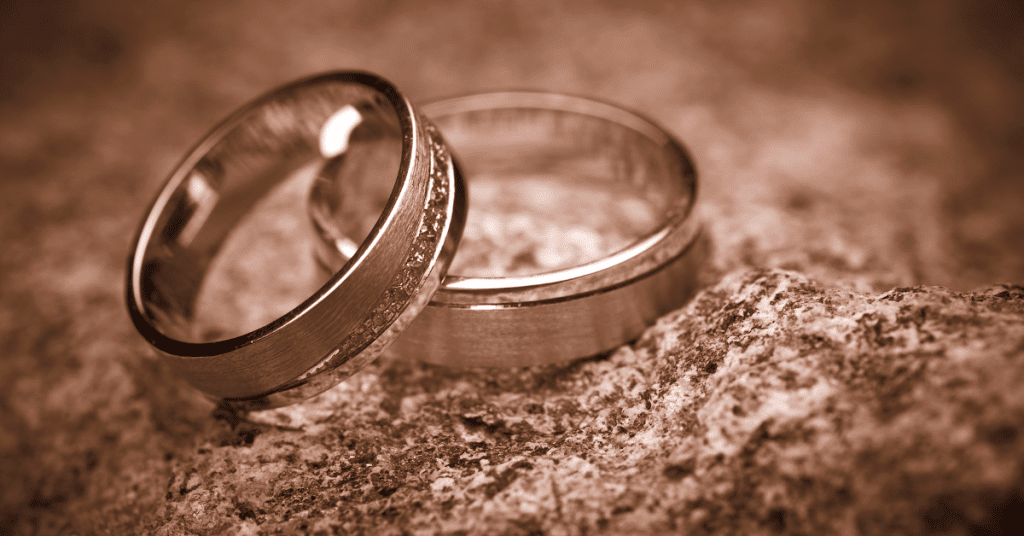
More and more couples are looking a testate engagement rings and finding that older rings offer things new ones simply cannot. Better craftsmanship, distinct cuts, lower prices for the same quality, and a history that adds something no factory production run can manufacture. This article covers what these rings are, what makes them worth considering, and what to look at carefully before you buy.
What Do These Terms Actually Mean?
If you have started looking at second-hand engagement rings, you have probably run into three terms repeatedly: estate, pre-owned, and vintage. They are often used interchangeably, but they do have slightly different meanings.
Pre-owned engagement rings is the broadest category. It refers to any ring that has been worn before, regardless of age. A ring from five years ago and a ring from fifty years ago are both technically pre-owned.
Vintage engagement rings refers to rings that are generally at least 20 to 30 years old. Most dealers use this as the benchmark. Anything 100 years or older moves into antique territory. So a ring from the mid-1990s is pre-owned. A ring from the 1970s is vintage. A ring from 1915 is antique. These lines are not always sharply defined, but this is how most reputable dealers use the terms.
Estate engagement rings originally described rings sold as part of a deceased person’s estate. The term has since broadened and now covers any quality second-hand ring sold through proper channels dealers, auction houses, and established jewelers.
Understanding this vocabulary makes searching easier and helps you ask more specific questions when you are looking at a piece.
Why Couples Are Choosing Older Rings
There are several strong reasons why estate and vintage rings have become a genuinely popular choice, not just a niche one.
The price difference is significant. New engagement rings carry a retail markup that has nothing to do with the quality of the metal or stone. That markup covers retail costs, marketing, and margin. A pre-owned ring of the same quality same metal purity, same diamond grade costs considerably less. For couples with a set budget, this can mean the difference between a modest new ring and an outstanding vintage one.
Older rings were made by hand. Before mass production took over the jewelry industry, rings were made by craftspeople who spent real time on each piece. The settings, the engravings, the metal work all of it was done with tools and hands, not machines. If you look closely at a ring from the 1920s or 1930s, the level of detail is often extraordinary. Hand-engraved bands, intricate milgrain edges, delicate filigree work these are things that simply do not appear on most modern rings at the same price point.
The diamond cuts are different. Old cut diamonds were shaped before modern laser cutting existed. The Old European cut and the Old Mine cut, which were common in rings from the early 1900s through to the mid-twentieth century, were cut by hand. They catch light differently from modern brilliant cuts softer, warmer, with a glow rather than an intense flash. Many people prefer this when they see it in person. It is a genuinely different look, and it cannot be recreated in modern production because the technique no longer exists in the same form.
No two rings are the same. A vintage or estate ring is genuinely one of a kind. Even rings made to similar patterns in the same era have small differences because they were made by hand. You are not buying from a production run of ten thousand identical rings. You are buying something that is the only one exactly like it.
The meaning behind it. Not everyone feels this way, but many people find real weight in wearing a ring that has already been part of a life. There is something in that which no new ring can offer. For couples who value that kind of meaning, it matters.
What to Look at Carefully Before Buying
Buying an estate or vintage ring requires a closer look than buying new. Here is what to check.
Prongs and stone settings. The prongs the small metal claws holding the diamond or stone in place wear down over years of daily wear. On older rings, this is one of the most common issues. Worn-down prongs mean a stone can fall out. Look at every prong carefully or ask a jeweler to check. Re-tipping or re-setting prongs is a routine repair, but you need to know if it is needed before you buy.
The shank. Look at the band of the ring. If it has been resized multiple times, the metal at the resizing point can become thin and weak. Check for evenness and thickness all the way around. A shank that is too thin will crack under normal wear.
The stone itself. Ask whether there is a grading certificate. Many older diamonds were set before certification was standard, so there may not be one. If there is no certificate, an independent gemologist can assess the stone. Look for chips, cracks, or heavy wear around the girdle.
Repairs and alterations. Ask the seller directly whether the ring has been repaired, resized, or altered. Look for solder marks, areas where the metal colour looks slightly different, or finishes that do not match across the ring. Minor repairs are normal. Hidden major repairs are a concern.
Having the Ring Independently Assessed
Before spending a significant amount on any estate or vintage ring, get it assessed by a qualified, independent jeweler or gemologist. They will tell you what the ring is actually worth, what condition it is in, and what work it may need. You get written documentation, which is useful for insurance.
Any reputable seller will have no problem with an independent assessment. A seller who resists or discourages it is worth approaching with real caution.
Sizing and Practical Steps
Most vintage and estate rings can be resized, but there are limits. Rings with stones set all around the band are harder to size without disturbing the design. Platinum requires specialist work and costs more than gold to resize. Ask about this before you commit, and factor any resizing cost into your overall budget.
Once you find a ring that looks right, fits the person wearing it, and passes a proper assessment, the rest is simple. The ring is yours, and it comes with a story already attached which, for many people, makes it even better.