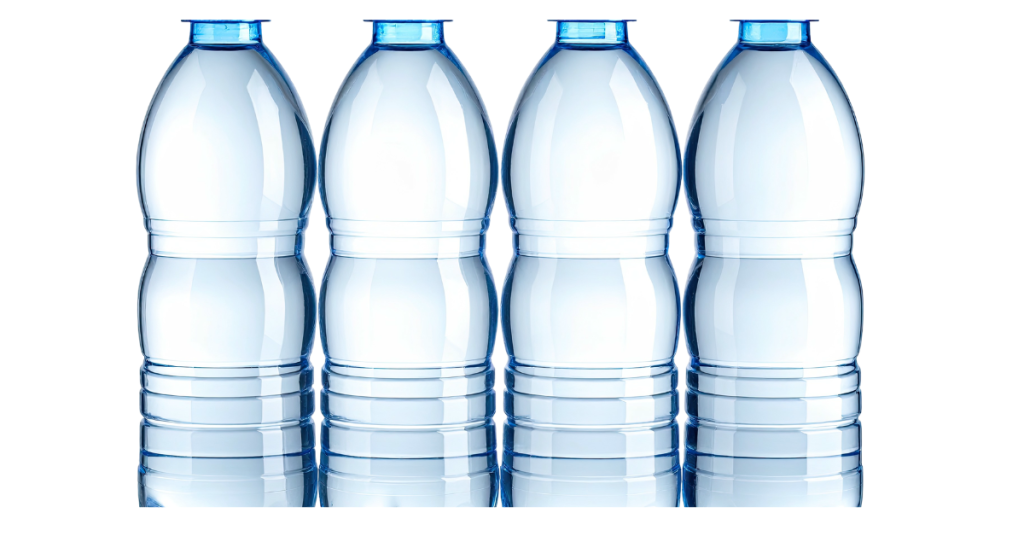
Walk into almost any office, gym, school, or workshop in South Africa and there’s a water cooler somewhere with a large bottle sitting on top of it. It’s one of those things that’s so common nobody really thinks about it. The bottle gets swapped out when it’s empty, a fresh one goes on, and everyone carries on with their day. But behind that simple routine is an entire industry of manufacturing, logistics, and supply that keeps millions of South Africans hydrated every week.
Water dispenser bottles are a staple of the South African workplace and have been for decades. The demand is constant and growing. Offices need them, factories need them, hospitals need them, and increasingly, homes are using water dispensers too. Load shedding, concerns about municipal water quality, and the convenience factor have all pushed more households towards keeping a dispenser in the kitchen.
The bottles themselves might look simple, but there’s a lot of thought behind their design, material, and manufacturing process. Getting it right matters for hygiene, durability, and cost, which are the three things that every buyer cares about.
The Standard Sizes
Water dispenser bottles come in a few standard sizes, and each one serves a different purpose. The most common size in South Africa is the 18.9l water bottles format. This is the standard large bottle that sits on top of a floor-standing water dispenser. It holds just under 19 litres and is the default for offices, reception areas, and high-traffic environments. A busy office can go through several of these per week, so durability and reusability are critical.
18.9 litre water bottles are designed to be refilled multiple times. They’re made from thick, food-grade plastic that can withstand repeated washing, filling, and handling without cracking or degrading. A well-made bottle of this size can go through dozens of refill cycles before it needs to be replaced, which keeps costs down for both the water supplier and the end customer.
For smaller operations or countertop dispensers, 10 litre water bottles are a popular option. These are lighter, easier to handle, and fit on smaller dispenser units that sit on a desk or counter rather than on the floor. They’re common in smaller offices, home setups, and retail environments where space is limited. The 10-litre format is also easier for one person to lift and load, which makes it practical for environments where not everyone is comfortable handling a full 18.9-litre bottle.
What Goes Into Making These Bottles
The manufacturing of water dispenser bottles is more technical than most people would assume. Every bottle that holds drinking water needs to meet strict food safety standards. The plastic has to be non-toxic, BPA-free, and suitable for repeated contact with water without leaching any harmful substances. The manufacturing process needs to be clean, controlled, and consistent.
A plastic bottle manufacturer that produces water bottles for water dispenser units operates in a regulated space. The raw material is typically polycarbonate or PET, depending on the application and the reuse requirements. Polycarbonate has been the traditional choice for large reusable bottles due to its strength and clarity, but PET has been gaining ground as manufacturing techniques have improved.
A PET bottle manufacturer works with polyethylene terephthalate, a plastic that’s widely used in the food and beverage industry. PET is lightweight, strong, shatter-resistant, and fully recyclable. It’s the same material used in soft drink bottles, juice containers, and single-use water bottles, but when manufactured to heavier specifications, it’s perfectly suited for larger, reusable applications too.
The manufacturing process starts with PET preforms, which are small, test-tube-shaped pieces of PET plastic that serve as the starting point for the final bottle. These preforms are heated and then blown into moulds that shape them into the finished bottle. The quality of the preform determines the quality of the final product. A preform that’s made from poor-quality material or manufactured to inconsistent specifications will produce a bottle that’s weak, uneven, or prone to failure. Getting the preform right is where the real expertise in bottle manufacturing sits.
Caps and Closures
A bottle is only as good as its seal. Water dispenser bottle caps might seem like a small detail, but they play a critical role in maintaining hygiene and preventing contamination. The cap needs to create an airtight seal that keeps water clean and safe from the point of filling to the point of consumption. It needs to be tamper-evident so the end user can see that the bottle hasn’t been opened before they use it. And it needs to work smoothly with the dispenser mechanism, releasing water when the bottle is inverted onto the unit without leaking or spilling.
Water bottle caps come in different formats depending on the bottle type and the dispenser they’re designed for. The most common type for 18.9-litre bottles is a snap-on cap with a built-in spill guard that prevents water from gushing out when the bottle is being loaded onto the cooler. Getting soaked while changing a water bottle is a common complaint in offices, and a well-designed cap with a proper spill guard solves that problem.
The materials used in cap manufacturing need to meet the same food safety standards as the bottle itself. The cap is in direct contact with the water, so it has to be made from food-grade plastic that doesn’t affect the taste, smell, or safety of the water. Consistency in manufacturing is important here too. A cap that doesn’t fit properly will leak, and a cap that’s too tight will be difficult to remove and can damage the bottle neck over time.
Water Cooler Bottles and the Hydration Market
The market for water cooler bottles in South Africa is driven by a few factors that aren’t going away anytime soon. Concerns about tap water quality continue to grow, particularly in areas where municipal infrastructure is ageing or poorly maintained. Water coolers and dispensers give people confidence that the water they’re drinking has been purified and properly handled.
Water cooler water bottles are supplied by water purification and delivery companies that operate across the country. These companies fill bottles with purified water, deliver them to customers on a regular schedule, and collect the empties for washing and refilling. The bottle is the physical product that makes this entire supply chain possible, and its quality directly affects the customer experience.
A bottle that cracks during delivery is a loss for the supplier. A bottle that develops an off-taste after a few refill cycles is a customer complaint waiting to happen. A bottle that doesn’t seal properly is a hygiene risk. All of these issues trace back to manufacturing quality, which is why water companies are careful about where they source their bottles from.
The Recycling and Sustainability Angle
PET is one of the most recyclable plastics in the world, and South Africa’s PET recycling rate is one of the highest globally. Bottles that reach the end of their reuse life can be collected, shredded, washed, and turned into new PET products. This includes new bottles, packaging, textiles (polyester fibre), and a range of other applications.
For water companies and their customers, this is an important part of the story. Using bottles made from recyclable material, and participating in collection and recycling programmes, reduces the environmental footprint of the bottled water industry. It’s not a perfect system, and plastic waste remains a serious issue in South Africa, but the recyclability of PET is a step in the right direction.
Reusable bottles like the 18.9-litre and 10-litre formats are already a more sustainable option than single-use plastic bottles. A single reusable water dispenser bottle replaces hundreds of small plastic bottles over its lifetime. That’s less waste, less raw material consumed, and less plastic ending up in landfills or the environment. For businesses looking to reduce their environmental impact, switching from single-use plastic water bottles to a refillable dispenser system is one of the simplest and most effective changes they can make.
The water dispenser bottle industry in South Africa is quietly doing important work. It keeps workplaces hydrated, it supports the water delivery sector, and it provides a more sustainable way to consume purified water. The bottles might be unglamorous, but they’re functional, reliable, and necessary. And behind every one of them is a manufacturing process that’s more sophisticated than the average person would ever guess.