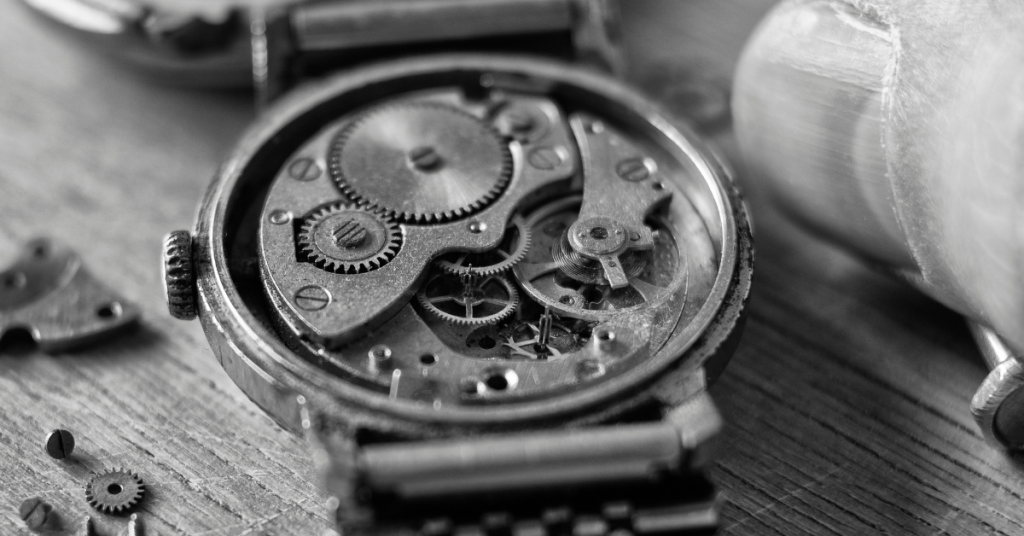
Most people who own a Rolex don’t wear it every day. Maybe it was a gift. Maybe it was bought for a special occasion and hasn’t left the box since. Or maybe it belonged to a parent or grandparent and has been sitting in a drawer collecting dust for years. Whatever the story, there comes a point where holding onto a watch that’s not being worn stops making sense, particularly when it could be converted into money that actually does something useful.
The luxury watch market has been on a wild ride over the past few years. Certain Rolex models have doubled or even tripled in value. That means the watch in someone’s drawer could be worth a lot more than they think. And with Rolex watch buyers operating across South Africa, turning that watch into cash has never been more accessible.
Why Rolex Holds Its Value
Rolex is one of the very few brands where a used product can sell for more than the original retail price. That doesn’t happen with most things. A used car loses value the moment it leaves the lot. A used phone is worth half in a year. But a Rolex? Some models appreciate. And even the ones that don’t go up in value tend to hold their worth remarkably well compared to almost anything else someone could buy.
The reason is simple: supply and demand. Rolex limits how many watches it produces each year. Waiting lists at authorised dealers stretch for months, sometimes years. So the second-hand market fills the gap, and prices reflect that demand. It’s basic economics, and it’s been working this way for decades with no signs of slowing down.
Models like the Submariner, Daytona, and GMT-Master II are consistently in demand. Older models with discontinued features or dials can carry serious premiums. Even a standard Datejust from the 1990s can fetch a respectable price, often more than what was paid for it originally. The brand’s reputation for quality and its tightly controlled production numbers mean that demand almost always outstrips supply.
When Does It Make Sense to Sell?
There’s no perfect moment, but there are situations where selling is the smart call. If a watch isn’t being worn, it’s dead money. It’s not earning interest, it’s not being enjoyed, and it’s not doing anything productive. Converting it to cash puts that value to work in ways that actually matter.
Money needed for something specific is another solid reason. School fees, a deposit on a house, medical expenses, or starting a business are all things that a Rolex can fund. A luxury watch on a wrist looks nice, but a paid school bill or a funded business idea changes lives.
The current market conditions also play a role. Right now, pre-owned Rolex prices are healthy. That won’t last forever. Markets move in cycles, and the prices that exist now might not be around in a year or two. Selling into a strong market is always better than waiting for a downturn and wishing the decision had been made earlier.
Then there’s the servicing factor. A full Rolex service can cost thousands of rands. If a watch needs work and it’s not being worn, selling before spending on repairs can make more financial sense than pouring money into something that’s just going to go back in the drawer.
How to Go About Selling
The process of deciding to sell my Rolex can feel a bit overwhelming at first. There’s the emotional side, particularly if the watch has sentimental value. And then there’s the practical side: where to go, how to get a fair price, and how to avoid getting ripped off. Breaking it down step by step makes the whole thing much more manageable.
Start by getting the watch assessed. A reputable buyer will look at the model, year, condition, whether the original box and papers are included, and the current market value for that specific reference number. All of this feeds into the offer. A proper assessment takes about 15-20 minutes, and once a price is agreed upon, payment follows quickly.
What to Look for in a Buyer
Not all buyers are equal, and knowing the difference matters. A good buyer is transparent about how they arrive at their price. They’ll reference the model, condition, and current market rates. They won’t use vague language or refuse to explain the numbers. If something doesn’t add up, they’ll walk through it until it does.
Nobody should feel rushed into selling. If a buyer is pushing for an immediate decision or creating a sense of urgency, that’s a tactic, not good business practice. Walk away from anyone who makes the process feel uncomfortable or pressured. A legitimate buyer will happily let someone take a day or two to think it over.
Proper documentation matters too. The transaction should be recorded properly, with receipts and records for both parties. This protects the seller and gives a paper trail if anything comes into question later.
Fair pricing comes down to comparison. Getting quotes from at least three different places gives a clear picture of what the watch is worth. If one quote seems way below the others, there’s a reason. If one seems way above, be cautious too, as that can sometimes be a tactic to get the watch in the door before lowering the offer once it’s been handed over.
People often search for sell my Rolex near me to find local options. That’s a smart starting point. Meeting face to face, having the watch assessed in person, and getting paid on the spot gives peace of mind that posting a watch to a stranger simply can’t match. There’s something reassuring about watching the process happen in real time and walking out with the money.
Getting the Best Price
A few things can bump up the offer significantly. Original box and papers make a big difference. A complete set always fetches more than a watch on its own. The original certificate, box, and any service records add value and give the buyer confidence in the watch’s history and authenticity.
Good condition matters. Scratches and dents bring the price down, while a watch that’s been looked after will always get a better offer. This doesn’t mean a worn watch is worthless, far from it, but a well-maintained piece will always command a premium over one that’s been knocked around.
The model itself plays a huge role. Sports models tend to command higher premiums than dress watches. Submariner, Daytona, Explorer, and GMT models are perennial favourites. Older discontinued references can be especially valuable to collectors who are hunting for specific pieces.
Service history is another plus. If the watch has been regularly serviced by an authorised service centre, that’s a strong selling point. It shows the movement is in good shape and that the watch has been cared for properly over the years.
Selling a Rolex for Cash
Most legitimate buyers will offer same-day payment. The option to sell Rolex for cash is straightforward. Bring the watch in, have it assessed, agree on a price, and walk out with payment. Some buyers offer EFT as well, which can land in the account within hours. Either way, the process is fast and shouldn’t involve any waiting around or follow-up visits.
What About Selling Privately?
Some people consider selling on classified sites or social media. It can work, but it comes with risks. Scammers are everywhere, and the luxury watch space is a favourite hunting ground. Meeting strangers with an expensive watch is a safety concern that shouldn’t be taken lightly. And negotiating with private buyers can be exhausting, with no-shows, lowball offers, and time wasters being common.
Going through a proper buyer removes all of that hassle. The price might be slightly less than a private sale in some cases, but the speed, safety, and certainty more than make up for it. There’s real value in knowing the deal is done, the money is in the account, and there’s no risk of chargebacks, scams, or wasted weekends.
Common Mistakes to Avoid
Not getting multiple quotes is the most common mistake, and the most costly. A single quote gives no frame of reference. Three quotes minimum paints a proper picture and makes it easy to spot outliers on either end.
Cleaning the watch at home is another pitfall. Don’t try to polish or buff out scratches. Amateur cleaning can cause more damage and actually reduce the value. Leave it to the buyer or a professional watchmaker if cleaning is needed.
Waiting too long is a mistake that people only recognise in hindsight. Markets shift. A price that’s available now might not be there in six months. If the current offer works, there’s real risk in holding out for a marginal improvement that might never come.
Forgetting about paperwork is surprisingly common. Dig out whatever documentation came with the watch. Box, papers, receipts, service records. It all adds value and makes the assessment process smoother.
At the end of the day, a Rolex is a luxury item. If it’s serving a purpose, whether that’s being worn and enjoyed or sitting as a deliberate long-term investment, great. But if it’s just taking up space and gathering dust, it might be time to let it go and put that value towards something that matters more right now. Life is expensive, and sitting on assets that aren’t being used doesn’t make it any cheaper.