A good home cinema setup is more than a large screen and a surround sound system. The seating is what ties the whole experience together. Sitting on a regular couch that was not designed for long viewing sessions quickly becomes uncomfortable, and it takes away from what should be an enjoyable experience. Getting the seating right from the start makes a noticeable difference.
Why the Seating Matters More Than People Expect
Most people spend more time thinking about the screen size or the speaker system than the chairs. That is understandable, but after two hours of sitting in the wrong position, it is the seating that gets noticed first.
Cinema seating is designed with extended sitting in mind. The back support is built differently from standard lounge furniture, the recline angle is set at a position that reduces strain on the neck and lower back, and the overall build is meant to hold up through years of regular use.
When a room is set up specifically for watching films or streaming, the furniture should match that purpose. A couch bought for a living room can work, but it will rarely perform as well as something chosen with a viewing room in mind.
Different Types of Home Theatre Seating
There are several formats available, and the right choice depends on the size of the room, how many people typically watch together, and the overall layout.
Single Chairs
Home theatre chairs are a popular option for dedicated cinema rooms. They can be arranged in rows, spaced out according to the room’s dimensions, and each person gets their own seat with independent recline control. This format mimics the layout of a real cinema and works well in rooms that are long and narrow.
Individual chairs also make it easier to add seating over time. If the room gets used more frequently or by more people, adding another chair to the row is a straightforward solution.
Sofas and Couches
Not every home cinema room is set up with rows of seats. Many are designed as a more relaxed space where comfort takes priority over a strict theatre layout. In these cases, a home theatre sofa couch works well.
Home cinema sofas seat multiple people on a single continuous piece of furniture, which works well for families or households where the cinema room doubles as a general lounging space. Some models include built-in recline sections at each end with a fixed middle seat, giving a combination of comfort and capacity.
Home cinema couches in a modular format are another option worth considering. These can be arranged to fit the room and reconfigured if the space gets repurposed or redecorated.
Recliners
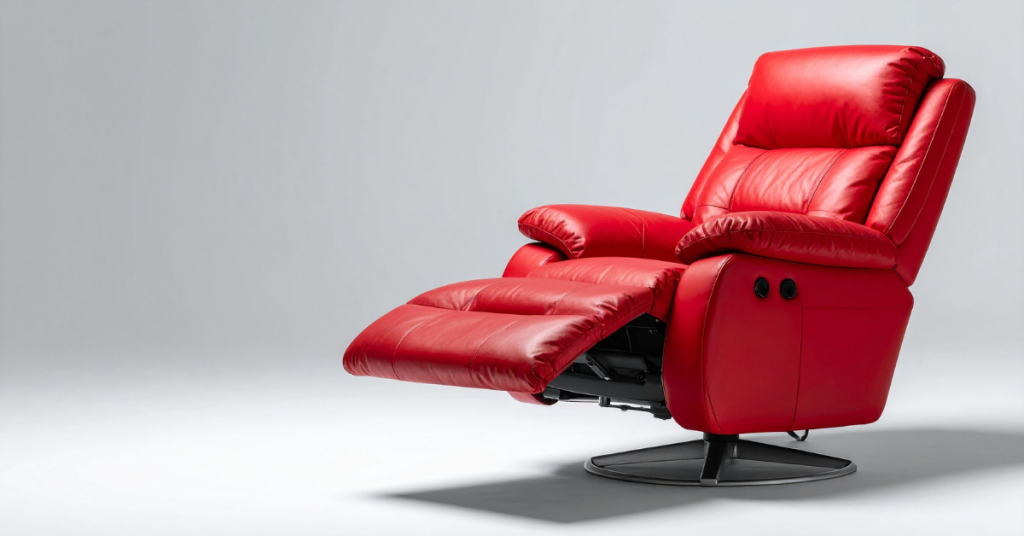
A cinema room sofa with built-in reclining sections is one of the more popular choices for home setups in Canada. The ability to recline fully during a long film makes a significant difference in how comfortable the experience is. Some people prefer individual cinema recliners for the same reason, with the added benefit of each seat being adjustable independently.
Power recliners are worth considering for a dedicated cinema room. The ability to adjust the position at the press of a button without disturbing the person next to you is a practical advantage, particularly during films.
Planning the Room Layout
Before buying any furniture, it helps to plan the layout of the room carefully. The seating needs to be positioned at the right distance from the screen, and there needs to be enough space between rows if a tiered arrangement is being used.
A general rule for screen distance is that the seating should be placed at a distance roughly 1.5 to 2.5 times the diagonal measurement of the screen. For a 75-inch screen, that puts the ideal seating distance between roughly 2.8 and 4.7 metres. Sitting closer than that can cause eye strain over time.
If a second row is being added, raising it on a platform so that the view is not blocked by the row in front is standard practice. Theatre style seating arrangements in home rooms often use a low platform of 20 to 30 centimetres for the back row.
Check the ceiling height if a second row is being considered. A standard ceiling is usually sufficient, but it is worth confirming before building a platform.
What to Look for in the Furniture Itself
Not all home cinema seating is built to the same standard. There are a few things worth paying attention to before making a purchase.
Frame and Build
A hardwood or solid wood frame will hold up better over time than one built from engineered board. The reclining mechanism should operate smoothly and feel solid when under load. Test it fully before buying if possible, checking both the opening and closing action.
Upholstery
Leather and leather-look fabrics are popular choices for cinema rooms. They are easy to wipe down, which matters in a room where drinks and snacks are common. Fabric upholstery feels softer but requires more maintenance and can absorb odours over time.
Darker colours are practical for a cinema room. They show less wear and do not reflect light during viewing the way lighter colours can.
Cushioning
High-density foam holds its shape through extended use. Cheaper foam compresses and loses support relatively quickly, which becomes noticeable during longer watching sessions. Press down on the seat and check how it recovers. Good foam springs back promptly; inferior foam stays compressed for longer.
Cup holders and storage armrests are common features in movie cinema chairs and are worth having in a dedicated cinema room. Having a place to rest a drink without needing a side table keeps the space cleaner and reduces the chance of spills.
Getting the Cinema Feel Right
One of the reasons people invest in a proper home cinema setup is to get an experience that rivals going out. The seating plays a big part in that. Home cinema chairs that are built specifically for this purpose feel different from standard lounge furniture in ways that become obvious the first time they are used.
The recline angle, the height of the headrest, the depth of the seat, and the firmness of the lumbar support are all calibrated for watching rather than general sitting. That might sound like a small distinction, but after a few hours in the right seat, the difference is clear.
Buying Cinema Chairs in Canada
The Canadian market has a good range of options for home cinema furniture, from smaller specialty stores to larger furniture retailers that carry dedicated home theatre ranges. It is worth visiting a showroom where possible to test the furniture in person before committing.
Delivery lead times can vary, particularly for custom or made-to-order pieces. If a room renovation or installation is being planned around a specific completion date, confirm lead times early. Some manufacturers offer faster turnaround on stock items, while custom configurations may take several weeks.
Check whether delivery includes installation or placement within the room. For heavy reclining furniture, having the delivery team place the pieces correctly saves a lot of effort.
Making the Space Work as a Whole
The seating is central to a home cinema room, but it works best as part of a considered overall setup. Proper light control, good acoustics, and a screen at the right height all contribute to the experience. Blackout curtains or blinds are worth the investment. Ambient light during viewing reduces perceived contrast on the screen and makes the picture look worse than it actually is.
Acoustic panels or soft furnishings help reduce echo in a room with hard surfaces. Home theatre couches and thick carpeting both absorb sound naturally, which is one reason why a well-furnished cinema room tends to sound better than an empty one.
Getting the seating sorted properly is one of the best investments in a home cinema setup. It is the part of the room that gets used most directly, and the quality of that experience depends on it more than most people realise before they try it.