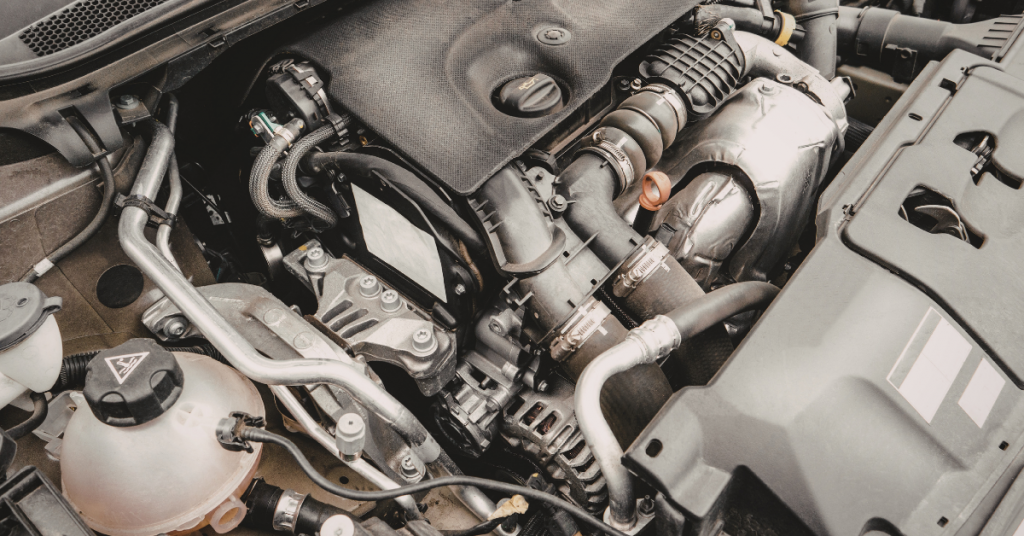
An engine failure is one of the worst things that can happen to a car owner. One day the vehicle runs fine, and the next there is smoke, strange noises, or a complete refusal to start. The repair quote comes in and the numbers are painful. At this point, many drivers face a choice between scrapping the car, paying for expensive repairs, or finding a replacement engine.
Replacement engines have become a practical solution for South African motorists looking to extend the life of their vehicles. With new car prices climbing and the rand making imports expensive, keeping an older vehicle on the road often makes more financial sense than buying something new. A good replacement engine can give a car another five, ten, or even more years of reliable service.
Why Engines Fail
Engines are tough, but they are not indestructible. Several things can cause an engine to give up. Overheating is a common killer. When the cooling system fails or a driver ignores the temperature gauge, internal components warp and seize. Oil starvation causes similar damage. Running low on oil or going too long between services lets metal grind against metal until something breaks.
Timing belt or chain failure is another frequent cause of catastrophic engine damage. When the timing goes wrong, pistons can collide with valves, bending or breaking internal parts. Some engines are more forgiving than others, but many modern motors are interference designs where this kind of failure means serious trouble.
High mileage takes its toll as well. Engines that have covered 300 000 kilometres or more start to show their age. Compression drops, oil consumption increases, and wear on bearings and seals leads to leaks and knocking sounds. At some point, rebuilding costs more than replacing the entire unit.
Finding the Right Engine
The South African market includes vehicles from manufacturers around the world, and each brand has its own engine families and specifications. Finding the correct replacement means matching not just the make and model but the specific engine code and year.
Japanese brands remain hugely popular on South African roads. Toyota Engines power everything from Corollas to Hilux bakkies, and their reputation for reliability means high demand for replacement units. Nissan Engines are equally common, found in NP200s, Navaras, and the ever-present 1400 bakkie that refuses to disappear from our roads.
Honda Engines have earned respect among enthusiasts for their high-revving nature and longevity. The same goes for Mazda Engines, which share some components with Ford due to their manufacturing partnership. Mitsubishi Engines power a range of vehicles from the Triton bakkie to the popular Pajero SUV.
Suzuki Engines are found in smaller vehicles like the Swift and Jimny, known for being economical and easy to maintain. Subaru Engines stand out with their boxer configuration, giving a distinctive sound and low centre of gravity that Subaru fans love.
European Options
German engineering dominates the premium segment of the South African market. VW Engines are everywhere, from Polos to Amaroks. The TSI and TDI families have powered millions of vehicles, and replacement units are readily available for most models.
BMW Engines range from efficient four-cylinders to powerful inline-sixes and V8s. The brand has a loyal following in South Africa, and keeping an older 3 Series or X5 running often comes down to finding the right engine. Mercedes Engines serve a similar market, with everything from C-Class sedans to Sprinter vans needing replacement motors from time to time.
Audi Engines share much of their technology with Volkswagen, which can make sourcing parts easier. Mini Engines have BMW roots in their modern versions, while older Minis used completely different powertrains.
Opel Engines powered many South African vehicles over the years, from Corsas to Astras. The brand may have reduced its local presence, but plenty of these cars remain on our roads. Volvo Engines are known for durability, and owners of older models often find replacing the engine cheaper than buying a newer vehicle.
French and Italian Motors
French manufacturers have a smaller but dedicated following in South Africa. Peugeot Engines and Citroën Engines often share components, which can help when sourcing replacements. Renault Engines power vehicles from the Clio to the Duster, with the Duster becoming increasingly popular as an affordable SUV option.
Italian engines have their own character. Alfa Romeo Engines are known for their sound and performance, rewarding owners who keep up with maintenance. Fiat Engines run in everything from the 500 city car to Ducato commercial vehicles.
Korean and Chinese Brands
Korean manufacturers have grown significantly in the South African market. Hyundai Engines power popular models like the i20, Tucson, and H100 bakkie. KIA Engines share some platforms with Hyundai, reflecting the corporate relationship between the two brands.
Chinese vehicles are a newer addition to South African roads. Chery Engines and Haval Engines represent this growing segment. As these vehicles age, demand for replacement parts will only increase.
American Muscle and More
American brands have a niche but passionate following. Ford Engines are common across South Africa, from Rangers to Fiestas. The Ranger in particular has become one of the country’s best-selling vehicles, creating strong demand for replacement motors.
Chevrolet Engines powered Utilities and Sparks before the brand pulled back from the market. Many of these vehicles remain in service and still need parts. Dodge Engines appeal to those who appreciate American power, while Jeep Engines keep Wranglers and Grand Cherokees running on and off the road.
British Brands
British luxury and off-road brands have a presence among South African motorists. Jaguar Engines combine performance with refinement in sedans and SUVs. Land Rover Engines power Defenders, Discoverys, and Range Rovers across the country. These vehicles are often kept for many years, making engine replacement a practical option. Lexus Engines bring Toyota reliability to the luxury segment, with many owners choosing to replace engines rather than give up their vehicles.
Making the Right Choice
When shopping for a replacement engine, condition matters more than price. A slightly more expensive unit from a low-mileage vehicle will almost always outlast a heavily worn engine that seems like a bargain. Ask about the history of the engine, how many kilometres it has covered, and why it was removed from the donor vehicle.
Compatibility is critical. Engine codes, wiring looms, and mounting points must match your vehicle. Getting this wrong means expensive modifications or a motor that simply will not fit. Working with knowledgeable suppliers who understand specific makes and models saves time and prevents costly mistakes.
A replacement engine can bring a tired vehicle back to life. For many South African drivers, it represents the most practical path to keeping their cars on the road without taking on new debt or settling for an unknown used vehicle. With the right research and a quality engine, another few hundred thousand kilometres is entirely possible.