Indoor lighting shapes how a room feels and how people use the space. Some rooms need bright overhead fittings. Others feel better with softer glow. Many homes make small changes over time, like adding better switches, upgrading fittings, or replacing old lights with safer and brighter options. This article explains indoor lighting in a plain way, using real examples. It focuses on how people use lights in kitchens, lounges, bathrooms, bedrooms, work areas, and shared spaces.
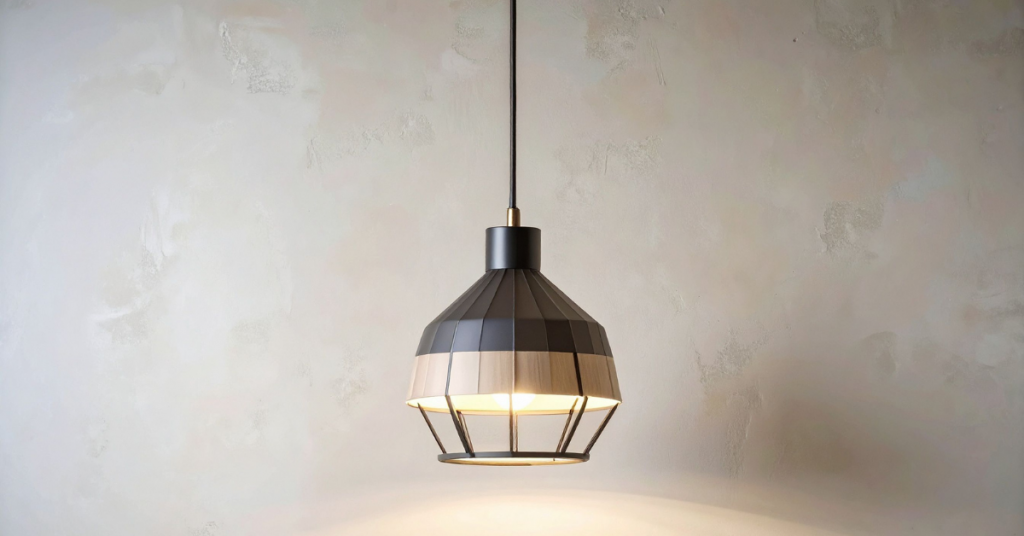
The aim is to keep things simple so anyone can understand how each lighting item helps. No stiff terms. No complex language. Just everyday explanations.
Ceiling fans that help with airflow and lighting
Many homes use ceiling fans to help with airflow. They move air around the room, making warm spaces feel cooler. Some versions include built-in lights, which help brighten up lounges, bedrooms, and dining rooms. This works well in smaller homes where people want one fitting that can light the room and move air at the same time.
People in warm areas rely on fans to make evenings more comfortable. Someone might cook in a hot kitchen, walk to the lounge, and switch on the fan to cool down the room without using an air conditioner. Ceiling fans also help with airflow during winter by circulating warm air downward if the blades spin in reverse.
Families with children often like ceiling fans because they keep air moving without taking up floor space. Some homes add remotes or wall controls so the fan speed and brightness are easy to change.
Light switch placement for easier control
A light switch plays a bigger role than people think. Good switch placement can make a home easier to use. Many homes place switches too far from entry doors, which means walking across a dark room to turn on the light.
In bedrooms, switches placed near the bed help people switch off without walking across the room at night. In kitchens and living rooms, switches near doorways help with daily movement between rooms. Some people add dimmer switches so they can adjust brightness based on the time of day.
Parents often place switches lower so children can reach them. This helps kids feel more independent and reduces night-time trips for adults.
Kitchen lights for cooking and prep areas
Good kitchen lights make cooking safer and easier. The kitchen is one of the busiest rooms in a home. It needs clear brightness so people can see what they are preparing. Poor lighting makes it hard to chop food, read recipes, wash dishes, or clean surfaces.
Homes often use overhead fittings combined with extra lighting near the counters. Strip lighting under cupboards helps remove shadows while chopping or mixing. Some kitchens use spot fittings to point directly at prep zones.
A simple example is someone cooking after work when the sun has set. If the overhead light shines from behind, their head can cast shadows on the cutting board. Adding brighter kitchen lighting fixes this problem immediately, making daily tasks smoother.
Bathroom lights for safety and comfort
Bathrooms need strong and clear light for shaving, brushing teeth, applying make-up, or showering. Many homes use bathroom lights above mirrors or on both sides of a mirror to avoid shadows.
Bathrooms also need safe fittings that handle moisture. Lighting that is too dim can make it harder to clean or check personal grooming. Warm light brings softer glow, while cool light gives clearer visibility.
A family might install better bathroom lighting after noticing they keep missing spots while shaving or struggling to see when applying make-up. Clear brightness makes the room safer for children and older people as well.
Light switch cover options for safety and neatness
A light switch cover protects the wiring behind the switch and keeps the wall looking clean. Covers come in different shapes and colours. Some homes use simple white covers. Others use metal or matt finishes that match door handles or fixtures.
Switch covers help prevent dust buildup and reduce marks near switches. In high-traffic homes, people often touch the wall around the switch with wet or dirty hands. Covers help protect that area and are easy to wipe clean.
A real example is a home with children who often touch the switches while playing. After replacing the old covers with new ones, the wall looks neater and easier to maintain.
Lights for sale that suit different homes
People searching for lights for sale often look for fittings that match their style, ceiling height, or room size. Some want simple lights. Others want brighter options for work spaces. Homes with low ceilings might prefer flush fittings. Homes with open layouts might choose stronger bulbs so the brightness reaches all corners.
The best approach is to think about how the room is used:
- A lounge might need soft overhead light and extra lamps.
- A kitchen needs strong brightness for cooking.
- A bathroom needs mirror lighting.
- A passage might need small but steady fittings.
Looking through lights for sale helps people find a mix that suits the room and the mood they want to create.
How lighting choices shape daily routines
Lighting affects everything from mood to safety. Here are some real-life scenarios that show how simple choices make a difference:
Family home
The family uses ceiling fans in the lounge for airflow, bright kitchen lighting for cooking, and soft lights in the bedrooms. The result feels balanced and comfortable.
Working from home
Someone working in a spare room adds a bright overhead fitting and a wall light switch nearby. The room becomes easier to use and suitable for long work hours.
Small apartment
A tenant adds better bathroom lights to make shaving and grooming easier. They choose warm lights in the bedroom and brighter options in the kitchen for cooking at night.
Older home
Older homes often have old switches. Replacing these with new covers and easier switches improves safety and comfort.
Busy household
Parents use clear bathroom lighting, bright kitchen fittings, and ceiling fans to help with airflow. Good light placement helps children stay safe and move comfortably between rooms.
Why lighting should match tasks
Rooms feel better when lighting supports what people do in them. Bright lights in sleeping areas feel uncomfortable. Dim lights in kitchens feel unsafe. Bathroom lighting needs clarity. Living rooms need warmth. Outdoor entrances need safe brightness to see steps or keys.
When people pick the right brightness for the right room, the home feels more balanced. Lighting becomes part of the routine instead of an irritation.
Closing thoughts without a header
Indoor lighting shapes how homes feel and function. Ceiling fans help move air and brighten spaces. A good light switch makes movement easier. Kitchen lighting supports daily meals. Bathroom lighting improves grooming and safety. Switch covers keep walls clean. Searching for lights for sale helps people find fittings that match their rooms. With the right mix of brightness and comfort, everyday tasks become smoother and homes feel better to live in.