Packaging plays a central role in the movement of goods. From the moment products leave the production line to the time they reach shelves or end users, they need to be protected. Different machines help achieve this by reducing manual work and improving safety. Each machine has its own place in the process, and together they create reliable and efficient packaging systems.
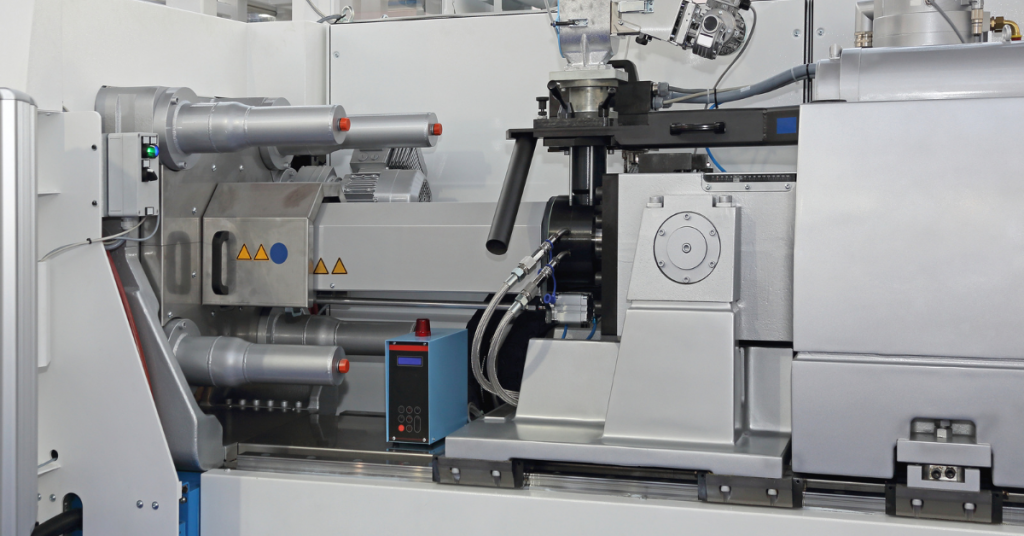
Why a Pallet Wrapper Matters
A pallet wrapper helps secure goods stacked on pallets by covering them with stretch film. This machine ensures the load stays stable, which reduces accidents and damage during handling. It also keeps dust and moisture out, protecting the goods for longer storage periods.
For example, beverage companies often use these machines when preparing products for distribution. Without the film, bottles or cans could fall off pallets during transport. The wrapper reduces these risks and saves time when compared with hand-wrapping.
Another benefit is consistency. Workers can only apply wrap so tightly, and results vary between people. A machine delivers the same quality every time, no matter how many pallets need to be prepared.
Sealing Machine for Secure Packaging
A sealing machine is used to close packaging such as pouches, bags, and cartons. This is especially useful in industries where freshness or product integrity is important. Food, medicine, and electronics are all examples of areas where a proper seal makes a difference.
The seal prevents air or moisture from getting in, which can extend shelf life. It also provides a level of tamper protection since an opened or damaged seal is easy to spot.
In real-life use, think of a factory producing snack foods. With thousands of packets moving down the line every hour, manual sealing would be impossible. The machine creates a clean seal in seconds, ensuring every pack is ready for shipping.
How a Shrink Wrapper Works
A shrink wrapper covers products with film that shrinks tightly when heat is applied. This type of packaging has two major benefits: it protects goods and also gives them a neat appearance. Retail stores often prefer shrink-wrapped goods because the packaging is clear, making the product easy to see.
One common example is bottled water or soft drink multipacks. Instead of putting bottles into cartons, they are wrapped in shrink film. This method saves material, reduces weight, and makes the product easier to handle.
Shrink wrapping is not limited to food or drinks. Electronics, hardware, and even printed goods use it to keep items together and safe during transport.
Wrapper Machine for Flexible Needs
A wrapper machine is versatile and can be adapted for different packaging requirements. Some are designed for small retail items, while others handle large boxes or industrial products.
For fragile goods such as glassware, wrapping provides a protective cushion. For bulk products, wrapping secures items into a single unit, making transport smoother. The machine removes the guesswork and ensures every package is finished to the same standard.
Smaller businesses also benefit. Even if the scale is lower, machines can speed up packing and help products look more professional.
Industries That Use These Machines
Many industries rely on these machines daily. In the food industry, sealing machines keep products fresh and safe from contamination. In the beverage industry, pallet wrapping and shrink wrapping secure bottles and cans for shipment.
The pharmaceutical industry also uses these machines for medicines, which must remain sealed to avoid tampering or spoilage. Electronics manufacturers rely on wrapping to protect sensitive items from dust and damage. Logistics and warehousing sectors use pallet wrapping to make handling faster and safer.
Maintenance and Care of Packaging Machines
Like any equipment, packaging machines need regular care to run smoothly. Simple steps such as cleaning rollers, checking sensors, and replacing worn parts can prevent breakdowns. Staff should be trained to operate the machines properly and perform small checks during shifts.
Scheduled maintenance also extends the life of the machines. Instead of waiting for a failure, regular servicing avoids costly downtime. Keeping spare parts on hand is another practical tip, as delays in repair can disrupt production.
Benefits of Automation in Packaging
Using machines instead of manual methods brings long-term gains. They reduce errors and material waste, saving money. They also allow workers to focus on higher-value tasks instead of repetitive manual labour.
Products that are wrapped, sealed, or packed correctly are less likely to be damaged. This reduces customer complaints and returns, which improves trust in the brand. Speed is another major advantage. Machines keep up with growing demand during peak seasons when manual work would struggle.
Real-Life Situations Where These Machines Help
Imagine a warehouse preparing thousands of pallets for export. Without pallet wrappers, workers would spend days wrapping loads by hand. With machines, the job is done in hours with better results.
In another case, a snack producer sealing pouches of chips relies on sealing machines. Without them, the food could lose freshness, and the brand could face complaints. The machine ensures every bag is tightly sealed.
Retailers selling multipacks of drinks also benefit. Shrink wrapping groups bottles together neatly, making stocking and transport easier. Customers also prefer multipacks wrapped in shrink film because they are easy to carry.
Long-Term Impact on Businesses
Investing in packaging machines creates long-term stability for operations. When products are consistently wrapped, sealed, or secured, the overall quality of deliveries improves. This reduces the risk of damaged goods and means fewer returns or complaints from customers. Businesses that provide well-packed products often build stronger trust with their buyers, which supports repeat sales and long-term loyalty.
Financial benefits also come from reduced waste and saved labour costs. Machines apply the exact amount of film, tape, or seal needed, preventing overspending on materials. At the same time, they cut down on the number of workers needed for manual packaging, freeing staff for other roles. Over months and years, these savings can cover the cost of the machines and continue to bring returns.
For small businesses, the impact is just as strong. While the upfront cost can seem high, the time saved quickly adds value. A small team can process more orders with reliable machines, and their products gain a professional look that helps them stand out. This puts them in a better position to compete with larger companies and gives them confidence when approaching new markets.