Two very different events, but they share a common challenge: feeding a group of people who did not choose to be there together, with varying tastes, dietary needs, and expectations. Whether the setting is a boardroom or a reception after a burial, the food matters more than most people give it credit for.
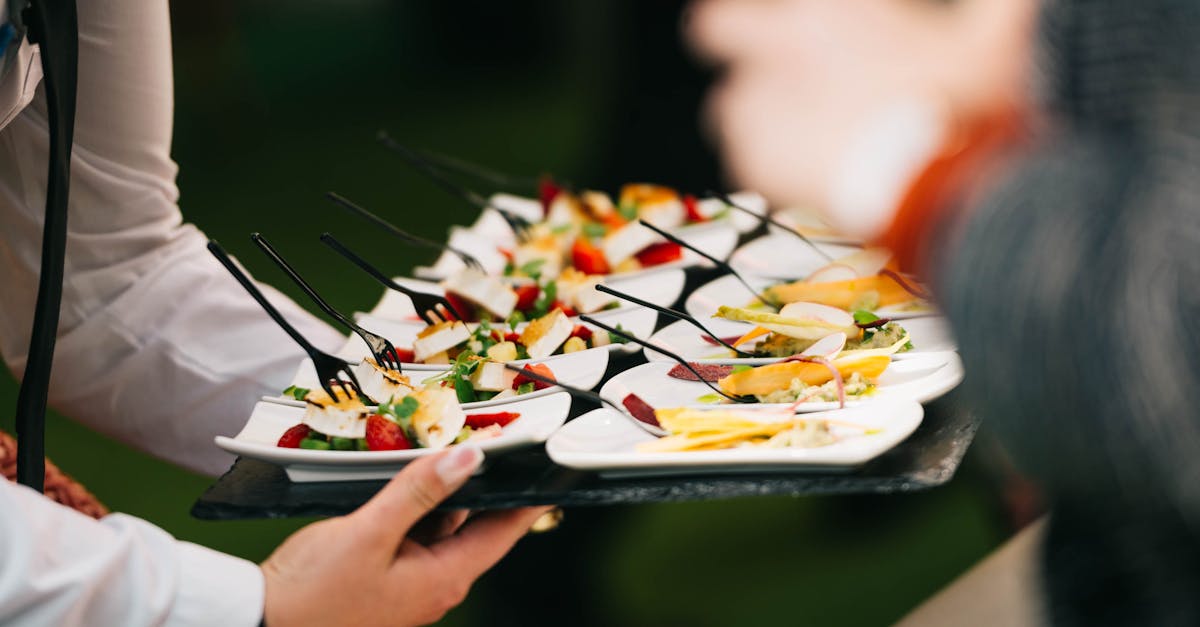
Office catering and funeral catering are both high-stakes in their own way. In an office setting, food is often part of a meeting or presentation that has a purpose, and the catering needs to support that rather than distract from it. At a funeral, food is often the only thing guests can do together in a practical sense while processing grief, and getting it wrong in any direction, too sparse, too casual, too complicated, reflects poorly on the host.
The good news is that both scenarios have well-established formats that work. Knowing those formats takes most of the stress out of the planning.
Office Catering: Feeding People Who Need to Stay Focused
Corporate catering has one underlying rule: the food should not become the main event. People are there to work, and the catering is there to fuel that. This shapes every decision about what to order.
Corporate catering that works for office settings tends to be easy to eat standing up or at a desk, not too messy, available in manageable portions, and varied enough that people with different dietary preferences can find something suitable. This is why sandwich and platter formats have become the standard for most business catering needs.
For morning meetings, a combination of savoury items, some wraps or finger sandwiches, and something slightly sweet tends to cover the bases without making anyone feel heavy before a long session. For lunchtime meetings, food platters with a range of sandwich options, a cheese platter, and some savoury sides give people enough variety that dietary preferences are easily accommodated.
Portion sizing is where office catering often goes wrong in one direction or the other. Too little and you have awkward moments where people are still hungry but nothing is left. Too much and you have wasted food and a bill that did not need to be as high. A reasonable rule of thumb is four to six pieces per person for finger food, or one to two sandwiches per person for a meal replacement.
What Makes a Good Office Platter
A well-put-together office platter does not need to be complicated. Savoury platters with a mix of fillings handle the variety requirement. A cheese platter alongside it gives people something to graze on between the main items. Fresh bread or rolls on the side, cut into manageable sizes, rounds it out.
For larger office events, combining a sandwich selection with a meat platter gives more of a spread feel without requiring the complexity of a sit-down catered meal. This format works well for end-of-quarter gatherings, staff appreciation events, or working lunches with external guests.
The key is keeping it practical. Food that requires cutlery, plates, and table space is not office catering; it is a meal service. Platters and finger food keep people free to continue the conversation, move around the room, and eat on their own schedule.
Funeral Catering: Getting the Tone Right
Funeral catering carries different requirements. The guest list at a funeral is often large and mixed: close family, extended family, friends, colleagues, community members. People arrive and leave at different times. Some have travelled long distances. Others are managing grief and may not have much appetite but still need to eat something.
Funeral catering works best when it is generous, accessible, and requires minimal effort from the people eating it. This is not the occasion for complex serving arrangements or food that requires explanation. Simple, familiar food served in abundance is almost always the right call.
Sandwich platters are standard at South African funeral receptions, and for good reason. They travel well, are easy to handle while standing, require no cutlery, and suit a wide range of people. A selection that includes chicken, egg, cheese, and at least one vegetarian option covers most bases. Snack platters alongside the sandwiches give people something to graze on between the more substantial items.
Tea, coffee, and cold drinks are expected at most South African funeral receptions. The food and drinks together are the practical expression of hospitality at a time when hosting in the formal sense is not possible.
Quantity at Funerals: Always Lean Generous
At a funeral, running short of food is genuinely uncomfortable. It sends a message that was not intended, and it leaves guests, particularly those who have travelled, in a difficult position. The general guidance is to cater slightly more than the expected head count, not less.
If the expected attendance is fifty people, cater for sixty to sixty-five. The cost difference is modest. The risk of under-catering is much higher than the cost of a small amount of surplus food.
Ordering in Advance
For both office and funeral catering, advance notice matters. A food delivery near me search will surface plenty of options, but for group catering of any significance, placing the order at least twenty-four hours in advance and ideally forty-eight hours ahead is the practical standard. This gives the kitchen time to prepare properly and allows for confirmation of quantities, delivery time, and any specific requirements.
Sandwich Baron offers a range of platters and catering options suited to both office environments and funeral receptions, with delivery across their service area. Their menu covers the standard formats that work for these occasions, making it straightforward to put together an appropriate order without having to make complicated decisions in a stressful moment.
Keeping a note of who you used and what you ordered when catering goes well means you have a ready answer next time the situation comes up. Good catering is rarely noticed, but poor catering always is. Getting it right from the start saves everyone unnecessary stress on the day.