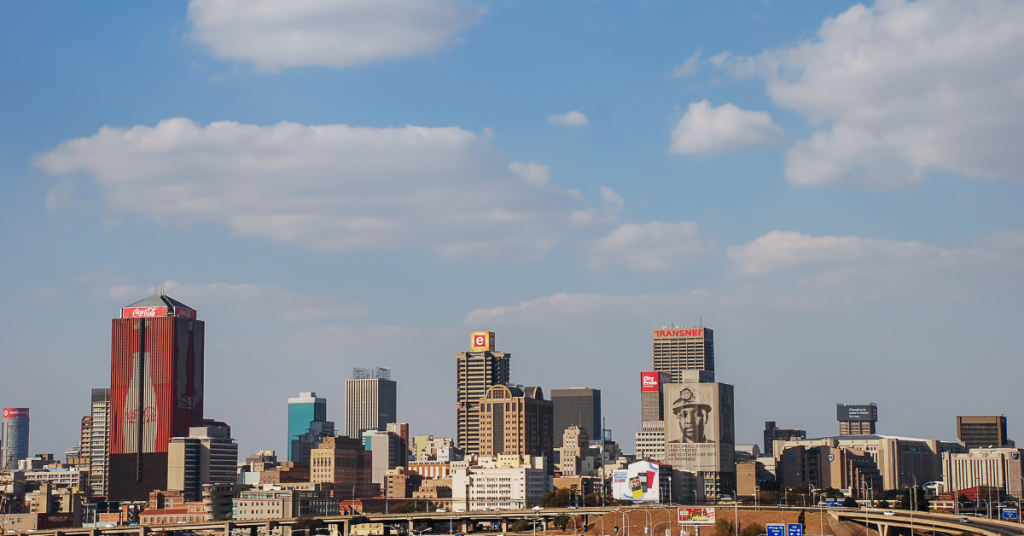
The Joburg inner city has gone through plenty of changes over the past few decades. What started as the heart of South African business in the early 1900s shifted through different periods of growth, decline, and now steady renewal. Areas that were once written off as no-go zones have come back into the conversation, with new developments, fresh investment, and a wave of residents who see real value where others see only the past.
This article looks at three of the most talked-about pockets of inner-city Joburg. Each one offers a different kind of living, a different price point, and a different feel. Tenants thinking about a move into the inner city should know what each area brings to the table before signing a lease.
Hillbrow: The High-Rise Heartbeat
Hillbrow sits on a ridge just north of the CBD and carries one of the highest residential densities in Africa. The area packs thousands of people into a few square kilometres of high-rise blocks, narrow streets, and busy corner shops. The skyline is dominated by the famous Telkom Tower, which has stood as a landmark since the 1970s.
The character of Hillbrow has shifted plenty over the decades. The 1960s and 1970s saw it as one of the most cosmopolitan parts of South Africa, with restaurants, cinemas, and music venues drawing people from across the city. The 1990s brought decline, with crime climbing and many original residents moving out. The past 15 years have brought another shift, with steady investment, better building management, and a new wave of residents from across South Africa and the rest of the continent.
Hillbrow flats to rent tend to come at the lowest price points anywhere in Joburg. Studio flats start as low as R2,500 a month in older buildings. One-bedroom units in better-managed blocks run R3,500 to R5,500. Two-bedroom flats sit between R5,000 and R8,000 depending on the building, the floor, and the view.
Who Picks Hillbrow
The Hillbrow rental market suits people on tight budgets, students at nearby colleges, and workers in the CBD who want to walk or take a short taxi ride to work. The dense population brings everything close at hand. Spaza shops, bakeries, salons, pharmacies, and fast food joints sit on every block. Public transport runs constantly, with taxis heading to every part of the city from the main ranks.
Building quality varies hugely. Some blocks have been bought up by serious property managers who run them well, with proper security, working lifts, and regular maintenance. Others have slipped over the years, with broken lifts, patchy electricity, and tenants paying in cash with no formal lease.
Tenants looking at flats to rent in Hillbrow need to walk the building before signing. The state of the entrance, the condition of the corridors, and the response of the building manager all tell the real story. Photos on a listing site only show what the photographer wanted to show.
Daily Life in Hillbrow
Walking around Hillbrow feels different from any other part of Joburg. The streets are packed with people from morning till late at night. Music plays from open windows. Hawkers sell fruit, phone airtime, and second-hand clothing on every corner. The mix of nationalities is wide, with West African, East African, and South African voices all blending into the daily soundtrack.
Food sits at the heart of daily life. Restaurants serve Nigerian, Ethiopian, Congolese, Mozambican, and South African dishes within a few blocks of each other. Buying ingredients for home cooking is easy, with fresh produce, dried fish, and spices available at small shops on most streets.
Safety remains a real concern in parts of Hillbrow. Buildings with proper security make a big difference. Walking at night carries more risk than during the day. Most long-term residents work out which streets to use and which to avoid, and pass that knowledge to newcomers in the building.
Newtown: Arts, Culture and Renewal
Newtown sits just west of the main CBD and has built up a strong identity around arts and culture over the past 20 years. The Market Theatre, the Museum Africa, the Bassline music venue, and the SAB World of Beer all sit within walking distance of each other. The Mary Fitzgerald Square hosts events through the year, with markets, festivals, and concerts pulling in visitors from across the city.
The area has been through serious investment from both government and private developers. Old warehouses have been turned into loft flats. Former industrial sites have become creative work spaces. New residential blocks have gone up alongside restored heritage buildings. The result is a mix of old and new that gives Newtown its own feel separate from the rest of the inner city.
Newtown flats to rent span a wider price range than Hillbrow. Smaller studios in older converted buildings start around R4,500. One-bed lofts in renovated warehouses run R6,500 to R10,000. Two-bed units in newer developments climb to R12,000 or higher depending on size and finishes.
Who Lives in Newtown
Newtown attracts a creative crowd. Artists, designers, musicians, students from Wits, and young professionals working in media, advertising, and the creative industries all show up in the rental mix. The proximity to Wits University adds student tenants who want a less suburban feel than student housing in Braamfontein.
The lifestyle works best for people who want to walk to nightlife, eat out often, and feel part of an artistic community. Theatre shows, gallery openings, music gigs, and Sunday markets all sit at the doorstep. Cycling and walking are practical for most daily errands within the area.
Younger renters drawn to flats to rent in Newtown often pick the area for its mix of affordability and cultural pull. Rent stays well below the northern suburbs while access to art, food, and entertainment beats most middle-class suburbs.
What Makes Newtown Different
The architecture sets Newtown apart. Old red-brick warehouses with their original beams and high ceilings have been turned into flats that feel nothing like a standard suburban block. Some buildings preserve original industrial features like exposed brickwork, large factory windows, and steel beams that give the spaces real character.
The food scene has built up steadily over the years. Restaurants run by chefs who got their start at upmarket spots elsewhere have set up in Newtown, drawn by lower rents and a customer base that wants quality without the snobbery. Coffee shops, bakeries, and craft beer spots round out the mix.
Public transport works well in Newtown. The Park Station Gautrain stop sits within walking distance, which makes the area popular with people who travel between Joburg and Pretoria for work. Bus and taxi routes cover the rest of the city.
Building security in Newtown tends to be stronger than in Hillbrow, with most major developments running 24-hour guarding, biometric access, and secure underground parking. The streets around the buildings are well-lit and patrolled, with strong police and private security presence around the cultural attractions.
Fordsburg: Indian Heritage and Late-Night Energy
Fordsburg sits south-west of the CBD and carries one of the strongest cultural identities of any Joburg suburb. The area has been home to a large South African Indian community for over a century, with the food, shops, and street life shaped by that heritage.
The Oriental Plaza sits at the heart of Fordsburg and has been a shopping destination for Joburgers for decades. Hundreds of small shops sell fabrics, spices, kitchenware, jewellery, and clothing across multiple floors. The plaza pulls in shoppers from across Gauteng looking for goods that bigger malls don’t carry.
Fordsburg flats to rent tend to sit in the middle price range for the inner city. Older buildings carry character, with apartments above shops and small blocks that have been there for decades. Newer developments have come up too, with modern flats offering bigger rooms and shared facilities.
Studio and one-bed flats run R4,000 to R6,500 a month. Two-bed flats sit between R6,500 and R10,000 depending on the building. Larger family flats in newer blocks can go higher.
Daily Life in Fordsburg
The food scene in Fordsburg is famous across Joburg. Curry houses, biryani spots, kebab joints, and sweet shops line the main streets. Saturday nights see people coming from the northern suburbs and beyond just to eat. The Fordsburg Square market on Friday and Saturday nights stays open till late, with stalls selling food, clothing, and household goods under the lights.
Ramadan brings a special kind of feel to the area. Iftar meals stretch across restaurants and homes. Streets fill with people breaking the fast together. Eid celebrations bring out big crowds for prayers, food, and socialising.
Tenants thinking about flats to rent in Fordsburg get a unique mix of affordability, cultural depth, and good access to the rest of the city. The M1 highway sits close by, with quick routes to both the south and the north of Joburg. Public transport runs through the area regularly.
What Tenants Should Know
Fordsburg sits in a busy part of the city, with traffic running through the main streets at most hours. Tenants who want quiet should pick flats on quieter side streets rather than facing the main roads. The noise from the night market on weekends carries across the surrounding blocks, which works for some renters and bothers others.
Parking can be tight in older buildings. Newer developments tend to come with secure parking included in the rent. Older flats often need tenants to find street parking, which gets harder during peak shopping hours and on weekend evenings.
The community feel runs strong. Many residents have been in the area for decades, with families spanning multiple generations in the same building. Newcomers who get involved in the local rhythms, learn a few greetings in Urdu or Gujarati, and treat the area with respect tend to settle in well.
Comparing the Three
Each of these inner-city pockets offers something different.
Hillbrow gives the lowest price points, the highest density, and the most multicultural feel of any suburb in South Africa. It works for budget-conscious renters who can handle the noise, the crowds, and the need for street smarts.
Newtown brings creative energy, restored heritage buildings, and access to the city’s biggest arts attractions. It suits younger professionals and creatives who want walkable city living without paying northern suburb prices.
Fordsburg offers cultural depth, famous food, and a strong community feel that few other suburbs can match. It works for tenants who want flavour and life in their daily routine without giving up affordability.
Practical Tips for Inner-City Renting
Tenants moving into any of these areas should follow a few standard checks before signing.
Walk the building during the day and at night. Daylight visits show the polish. Night visits show how the area really runs after dark. The differences can be huge.
Talk to current residents. Catching someone in the lift or at the entrance for a brief chat tells you more about building management, neighbours, and street safety than any agent’s pitch ever will.
Read the lease in full before signing. Inner-city leases sometimes have clauses about late-night noise, sub-letting, and use of common spaces that don’t show up in suburban leases.
Get insurance. Personal contents insurance for inner-city tenants runs slightly higher than suburban rates but is well worth it given the higher risk profile. A R200 to R400 monthly premium covers loss from theft, fire, and other issues that can wipe out years of savings in a single bad night.
Set up a routine for getting around. Working out which taxi routes serve your block, which streets feel safer at night, and where the nearest 24-hour convenience store sits all helps the move from new arrival to settled local.
Wrap Up
The Joburg inner city offers some of the most affordable rental stock in the country alongside strong cultural depth and walkable urban living that the suburbs can’t match. The trade-offs around noise, crowds, and security are real, but so are the benefits.
Smart tenants take time to walk each area, view multiple buildings, and pick the spot that matches their lifestyle. A young creative will feel right at home in Newtown but might struggle with the pace of Hillbrow. A foodie family on a tight budget might find their groove in Fordsburg. A solo worker who wants pure affordability and doesn’t mind the energy might pick Hillbrow over the others.
None of these areas suit everyone. All of them suit someone. Knowing yourself, your budget, and what you want out of city living makes the choice easier. The inner city has more to offer than its old reputation suggests, and the renters who give it a real chance often find themselves staying far longer than they first planned.