Working as a flight attendant is one of those jobs that looks glamorous from the outside, and in many ways it is. You get to travel, meet people from all over the world, and spend time in cities most people only see in photos. But it is a real profession with real training requirements, physical demands, and responsibilities that go far beyond serving drinks at 35,000 feet. For anyone in South Africa thinking about this line of work, understanding what it takes to get there is the first step.
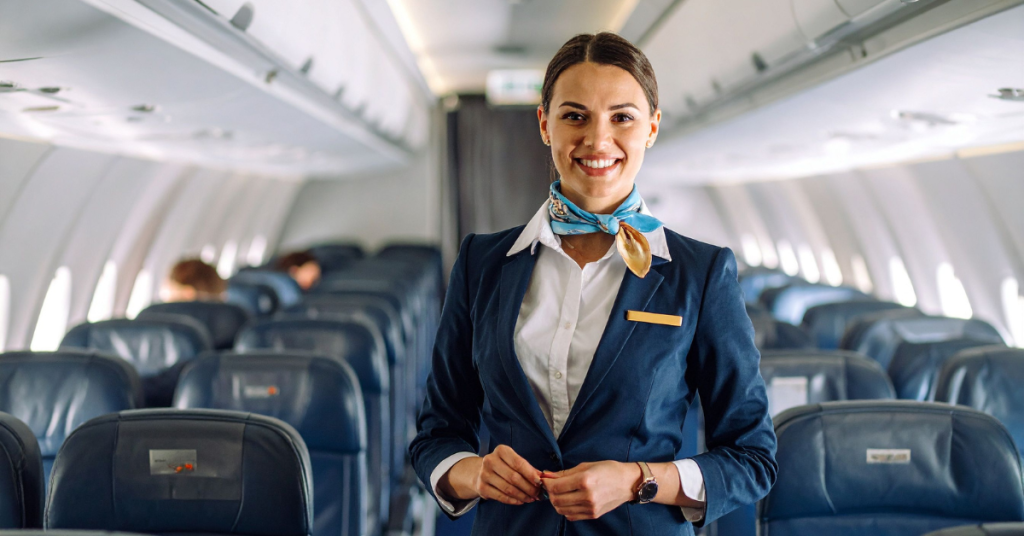
What a Flight Attendant Actually Does
Most people think the job is about smiling, handing out meals, and pointing at the emergency exits during the safety demo. That is about 20% of it. The other 80% is safety, crowd management, medical response, and dealing with situations that can range from a nervous first-time flyer to a full-blown in-flight emergency.
Flight attendants are trained to handle cabin decompression, emergency landings, onboard fires, passenger medical events, and security threats. They know how to use every piece of emergency equipment on the aircraft, from the fire extinguisher to the defibrillator. They are the first responders when something goes wrong at altitude, where the nearest hospital is hours away and the nearest fire truck is on the ground.
The customer service side is real too. Managing a cabin full of 180 passengers, many of whom are tired, stressed, or anxious, requires patience, communication skills, and the ability to stay calm when things get tense. A delayed flight, a seating dispute, or a difficult passenger can test anyone’s composure, and handling those moments professionally is a big part of what airlines look for in their crew.
Entry Requirements
Airlines in South Africa have specific requirements for cabin crew applicants. These vary slightly between carriers, but the general baseline is consistent.
Age. Most airlines require applicants to be at least 18 years old. Some set the minimum at 21. There is usually no upper age limit stated in the requirements, but the physical demands of the job mean that fitness and mobility matter.
Education. A matric certificate (Grade 12) is the minimum. Some airlines prefer applicants who have completed a post-matric qualification, particularly one related to hospitality, tourism, or cabin crew training.
Height. There is usually a minimum height requirement, typically around 1.58m to 1.60m, linked to the ability to reach overhead compartments and operate safety equipment. Some airlines also set a maximum height.
Swimming. Applicants must be able to swim. This is a non-negotiable requirement across all airlines, as crew members need to assist passengers in a water evacuation. Expect to be tested during the interview or training process.
Language. English fluency is required. Additional languages are an advantage, particularly on international routes. Airlines that fly to French, Portuguese, or Arabic-speaking countries actively look for crew who speak those languages.
Medical fitness. A full medical examination is part of the hiring process. Good eyesight (corrective lenses are usually allowed), hearing, and general physical fitness are required. Certain chronic conditions may disqualify applicants, depending on the airline’s medical standards.
Criminal record. A clean criminal record is mandatory. Airlines are regulated by aviation authorities, and crew members undergo background checks as part of the security vetting process.
Why Training Matters
Airlines provide their own training programmes once a candidate is hired, but having a prior qualification in cabin crew training gives applicants a significant advantage during the selection process. Completing a recognised flight attendant course before applying shows airlines that the candidate is serious about the profession and already has a foundation in the core skills.
Pre-employment training programmes cover safety and emergency procedures, first aid and CPR, aviation terminology, passenger management, grooming standards, and customer service protocols. Graduates walk into airline interviews with confidence and a working knowledge of what the job involves, which sets them apart from applicants who have no prior exposure to the industry.
For South African applicants, completing a recognised air attendant course can be the difference between making it through the screening process and being cut early on. Airlines receive thousands of applications for a handful of positions, and any edge that separates a candidate from the crowd matters.
What a Training Course Covers
A good airline hostess course covers both the theoretical and practical sides of the job. The syllabus typically includes the following areas.
Safety and emergency procedures. This is the backbone of the training. Students learn about aircraft evacuation, fire fighting, oxygen systems, emergency equipment, and how to manage passengers during a crisis. Practical drills, including simulated evacuations, are part of the programme.
First aid. Cabin crew are often the only medical responders available during a flight. Training covers CPR, the use of automated external defibrillators (AEDs), managing choking, allergic reactions, fainting, seizures, and other common in-flight medical events. Some courses include advanced first aid certification.
Aviation security. Understanding security threats, screening procedures, cockpit security protocols, and how to identify and respond to suspicious behaviour on board.
Customer service and communication. How to manage passenger interactions professionally, handle complaints, deal with difficult or disruptive passengers, and provide service that meets airline standards. This includes cultural awareness, conflict resolution, and working as part of a team.
Grooming and presentation. Airlines have strict grooming standards for cabin crew. Training covers personal presentation, uniform standards, hair and makeup guidelines, and the professional image that airlines expect their crew to maintain.
Aviation terminology and regulations. Understanding the language used in aviation, the roles of different crew members, and the regulatory framework that governs cabin operations.
A course for stewardess training should be accredited or recognised by a relevant body. In South Africa, look for courses that align with the standards set by the South African Civil Aviation Authority (SACAA) or that are recognised by airlines operating in the region.
How Long Training Takes
Pre-employment cabin crew courses in South Africa typically run between six weeks and six months, depending on the institution and whether the programme is full-time or part-time. Shorter intensive programmes cover the core modules in a concentrated period, which suits students who want to get qualified quickly. Longer programmes may include additional modules like tourism, hospitality, and workplace readiness.
Airline-specific training, which happens after being hired, usually runs for four to eight weeks. This training is specific to the aircraft type the crew member will be working on and includes detailed systems knowledge, service procedures, and regulatory compliance.
What the Job Looks Like Day to Day
The first thing most new crew members notice is the schedule. Flight attendants do not work Monday to Friday, nine to five. Rosters are built around flight schedules, and that means early mornings, late nights, weekends, and public holidays. A typical roster might include four days on, two days off, with shifts starting at 4:00 AM for an early departure or ending at midnight after a late arrival.
Layovers are part of the job on longer routes. International flights often include a 24 to 48-hour layover in the destination city, which gives crew time to rest and see the place. Domestic routes are usually turnaround flights with no overnight stays.
The physical demands are real. Crew members are on their feet for most of the flight, lifting heavy items into overhead bins, pushing service carts, and moving through a narrow cabin for hours at a time. Jet lag, dry cabin air, and irregular sleep patterns take a toll on the body, and staying fit and healthy is not optional.
The social side is a strong draw. Cabin crew work in close teams, and the bonds that form between crew members are often strong. The shared experience of long flights, layovers in unfamiliar cities, and dealing with challenging situations together creates a sense of teamwork that is hard to replicate in a desk job.
Earnings and Progression
Starting salaries for cabin crew at South African airlines range from around R12,000 to R18,000 per month for domestic operators. International airlines and premium carriers pay more, with starting salaries of R20,000 to R30,000 and higher for experienced crew.
Perks are a significant part of the compensation. Discounted or complimentary flights for crew and their families, meal allowances during layovers, uniform provision, and medical aid contributions are standard across most airlines.
Progression is structured. Junior crew members move to senior cabin crew and then to purser or cabin manager roles over time. Some crew members transition into training, recruitment, or ground-based operations management. The skills gained in this line of work, including communication, crisis management, and customer service, are transferable across many industries.
Getting Started
Flight hostess courses in South Africa are offered by a number of private training academies and TVET colleges. When choosing a programme, check the accreditation, the course content, the practical training components, and the track record of graduates getting placed with airlines.
Speaking to people who already work as cabin crew is one of the best ways to get an honest sense of what the job involves. The lifestyle is not for everyone, but for those who enjoy travel, working with people, and a profession that is never boring, it is one of the most rewarding paths in the aviation industry.