Many businesses rely on simple and reliable tools to handle sales, track stock, and process payments. One of the most common tools across retail, food outlets, small shops, and service points is a point of sale system. This type of setup helps staff manage sales in real time and gives owners a clear view of what is happening in the business each day.
What A POS System Does In A Business
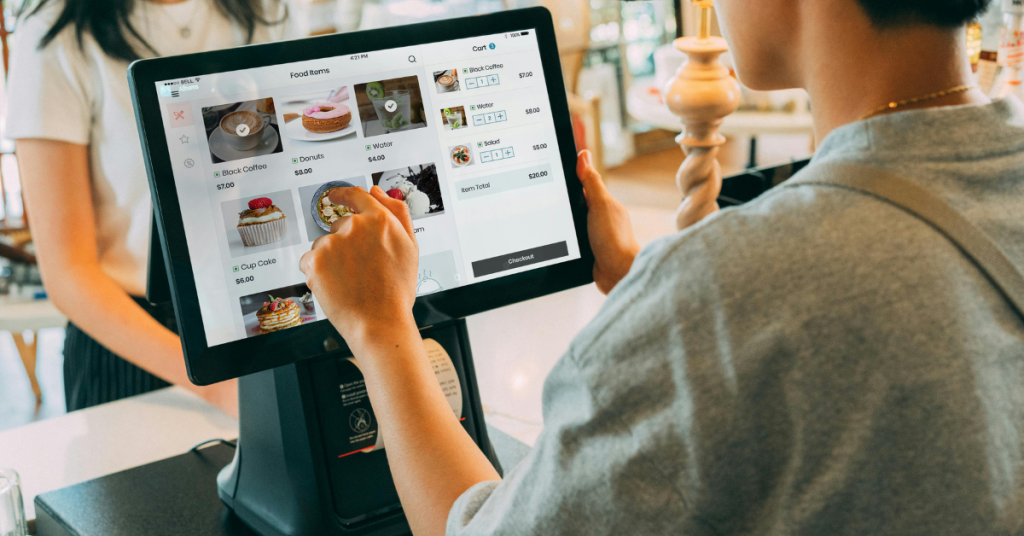
A POS system brings together the software and hardware needed to process sales. Staff can scan items, enter services, take payments, and issue receipts. This helps reduce mistakes and keeps every sale recorded. When stock changes, the system updates the levels automatically, giving the owner a better view of what is selling fast and what needs restocking.
Many businesses appreciate how easy it is to train staff on these systems. The steps are normally simple. Scan the item, choose the payment method, complete the sale. This cuts down on time spent training new workers and makes daily trading smoother.
Why Many Shops Use A POS Machine
A POS machine allows businesses to take card payments quickly. Customers expect fast service, and this device helps keep the line moving. It also reduces the need to handle large amounts of cash, which can improve safety for staff. Some machines also allow tap payments, which many customers prefer.
When a POS machine connects to the main system, it helps track payment types and reduces errors. For example, if the shop sells a large number of items during the day, the machine ensures each payment matches the recorded sale. This helps during cash-up and reduces confusion at the end of a shift.
How Businesses Use A POS Point Of Sale System
Many stores start with a simple till and later upgrade to a POS point of sale system when they want something more organised. This type of system can track stock, manage returns, record staff logins, and produce reports. Reports help owners understand busy times, slow times, and which products bring in the most income.
Some businesses use these systems to run loyalty programs or issue vouchers. Others use them to track sales from different branches. The system can also help identify shrinkage or missing stock if numbers don’t match.
Why Growing Businesses Upgrade Their Systems
Small shops often begin with basic tools. As they grow, they need something that handles more tasks. An upgrade to a system like a full point of sale system helps the owner manage more customers, more products, and more staff shifts.
Growth often brings new challenges. A café may need to track table orders. A hardware store may need to manage thousands of stock items. A clothing shop may want clear size and colour tracking. A good POS setup helps with all of this.
Upgrading also helps reduce human error. When a business becomes busy, staff need something that works fast and prevents mistakes. This helps protect profits because small errors can add up over many sales.
Real Life Examples Of POS Use
A small bakery may start with a simple cash box. As more customers arrive, the owner may introduce a card option. After a few months, they may want better stock control for flour, sugar, packaging, and daily items. Introducing a POS system helps track these costs more accurately.
A clothing store may need to scan items instead of manually entering prices. This reduces mistakes when handling busy weekend sales. It also helps track which sizes and colours sell fastest.
A petrol station may rely on a POS machine to handle constant card payments without slowing down the queue.
A restaurant may use a point of sale system to send orders straight from tables to the kitchen, cutting down the waiting time for customers.
How A POS System Helps With Reporting
Reports are one of the biggest advantages of these systems. Owners can check daily income, see which items sold well, and compare one week to another. This helps with planning stock orders, staff schedules, and promotional deals.
Reports also help during tax periods, because sales are already recorded and organised. This reduces stress during end-of-year checks.
Some systems even show sales in real time on a mobile device. This is helpful for owners who manage more than one store or who travel often.
Why Training Staff On A POS Machine Is Simple
Most systems today are built with clear screens, buttons, and layouts. Staff often learn the basics in minutes. This helps owners save time when hiring new workers. It also means fewer mistakes during busy periods.
Training normally involves:
- Logging in
- Adding items
- Processing payments
- Printing receipts
- Handling returns
Because the steps stay the same across most stores, workers can move between branches or shifts with less confusion.
Why A POS Point Of Sale System Improves Customer Service
Customers appreciate fast service. A POS point of sale system speeds up waiting lines by reducing slow manual entries. It handles discounts, special items, and payment types without slowing staff down.
It also helps staff answer stock questions quicker. If a customer asks whether an item is available, the system can show exact quantities in seconds. This improves trust and helps close more sales.
Why POS Systems Are A Good Long Term Choice
These systems grow with the business. Owners can start small and add features over time. New menus, new stock groups, new staff members, and new branches can all be added easily.
As the business improves, the system remains a stable point for tracking and control. This long term stability is one of the biggest reasons businesses invest in these tools.
Conclusion
POS tools help businesses trade smoothly, reduce errors, and improve customer service. Whether using a full point of sale system, a connected POS point of sale system, an easy-to-use POS system, or a fast POS machine, these tools support daily operations and help owners understand what is happening inside their stores. With clear reports, simple training, and real time tracking, a POS setup becomes a strong and steady part of any growing business.