Paying for goods, services, bills, school fees, rent, fines, and monthly accounts is part of normal life. People want payment steps that are clear, fast, and safe. Businesses want the money to reach the right account, with fewer errors and less admin. This is where a proper payment setup can make a big difference.
A good payment process helps both sides. The person paying wants choice and proof of payment. The business wants correct records, less manual checking, and fewer missed payments. When the process is simple, people are more likely to pay on time.
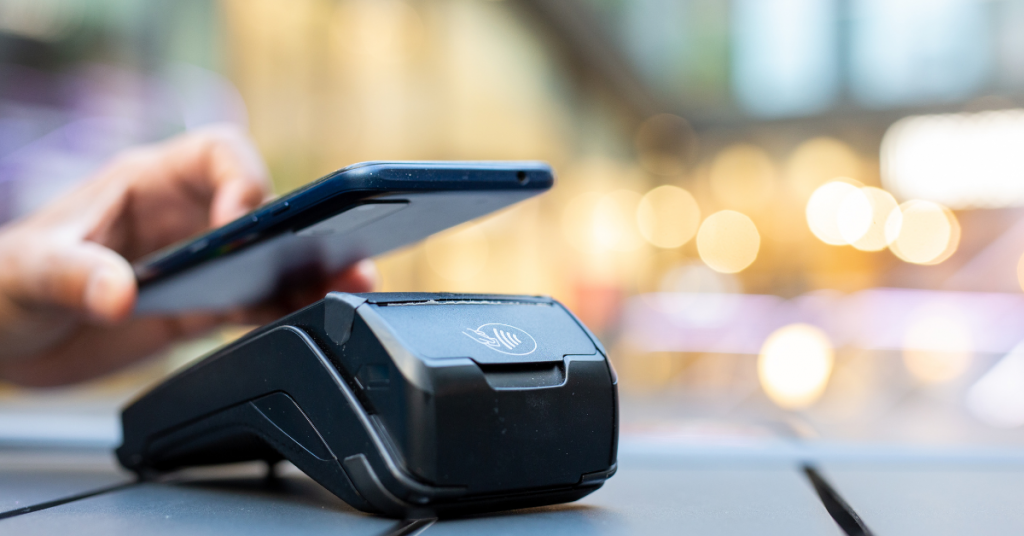
Many businesses now need more than one way to accept money. Some customers prefer card payments. Some prefer bank payments. Some want to pay at a store. Some use mobile options. A strong payment setup gives people choice without making the process messy.
Why Payment Choice Matters
People do not all pay in the same way. A student may pay school fees from a phone. A parent may pay a bill after work. A small shop owner may pay suppliers through a bank app. An older person may prefer paying in cash at a store.
A business that only accepts one payment method can lose payments or create stress for customers. A better setup gives customers several ways to pay, then keeps the record clear for the business.
For example, a customer may get an account with a reference number. That reference number helps link the payment to the right person. Without it, the business may receive money but struggle to match it to the right account. This can lead to calls, emails, delays, and frustration.
A good system cuts down on these problems. It gives the customer clear payment steps and gives the business a cleaner record of each payment.
What a Payment Setup Should Do
A payment setup should do more than move money. It should make payment easy to start, easy to finish, and easy to track.
A business may need help from a payment solutions provider when it wants one setup for many payment channels. The goal is to help customers pay in a way that suits them, then help the business see what has been paid.
The payment process should support clear references, safe payment steps, receipt records, and simple reporting. These parts matter for schools, rental firms, service businesses, public bodies, membership groups, and any business that sends accounts to customers.
Clear payment records save staff time. Instead of checking bank lines by hand, the team can see which account was paid and when. This makes daily admin much easier.
Why Businesses Need Better Payment Tools
Many businesses start with basic bank transfers. This may work at first. As the customer base grows, the process can become hard to manage.
A customer may pay the wrong amount. Another may leave out the reference number. A third may send proof of payment, but the money may not reflect yet. Staff then need to check, reply, and update records by hand.
Better payment solutions help reduce these issues. The business can give customers clear ways to pay and use systems that help match payments to the right account.
This is useful for any business that deals with monthly accounts. A gym, school, rental agency, medical practice, or service firm may need a cleaner payment process. When customers have more ways to pay, the business may see fewer late payments and fewer support calls.
How Payment Records Help With Admin
Good payment records are not only for finance teams. They help customer care teams, sales teams, and managers too.
When a customer calls about an account, staff need to see the payment status fast. If the system shows the amount, date, and reference, the issue can be solved quickly. If the records are messy, the customer may have to wait.
Strong records can help a business spot payment patterns. For example, staff may see that many customers pay after payday. They may see that store payments are popular in one area. They may see that some payment methods lead to fewer errors.
This kind of insight helps a business plan better. It can send reminders at better times, give clearer payment instructions, and reduce common support issues.
The Role of a Payment Provider
A payment provider helps businesses accept money through selected payment channels. The setup can include payment links, reference numbers, card options, bank options, cash payment points, mobile choices, or other ways to pay.
For customers, the process should feel simple. They should know what to pay, where to pay, and how to prove they paid. For businesses, the process should be easy to track.
A payment setup that works well can reduce manual tasks. Staff spend less time checking payments and more time helping customers. This can save time across the month, mainly when many people pay at once.
Why Payment Access Matters
Not every customer has the same access to banking tools. Some people use cards. Some use cash. Some use mobile wallets. Some may only be able to pay at certain shops or during certain times.
For this reason, businesses should think about customer habits before choosing payment methods. A payment setup must suit the people who need to pay.
For example, a school may have parents from many areas and income groups. Some may want to pay from home. Some may want to pay at a store near work. Some may need a printed receipt. The payment process should not make life harder for them.
Good payment access can help reduce missed payments. If people have a way to pay that fits their routine, they are more likely to complete the payment.
What Payments Service Providers Can Support
Payments service providers can support businesses that need to collect payments from many customers. This can include once-off payments, monthly accounts, service fees, fines, subscriptions, or invoice payments.
The main value is not only the payment method. It is the full process around the payment. This includes how the customer gets the payment details, how the reference is used, how the payment is tracked, and how the business gets the final record.
A strong process helps reduce errors. It can also give the customer more trust in the payment step. When the amount, reference, and receipt are clear, people feel more at ease.
South African Payment Needs
South Africa has many payment habits. Some people use bank apps daily. Some prefer card payments. Some still rely on cash. Many businesses need to serve all these groups.
This is why payment processors in South Africa need to support a mix of payment methods. A one-method setup may not suit the full customer base.
Local needs can differ by area, age group, income group, and service type. A business that collects rent may need different payment options from a shop. A school may need different options from a public service desk. The best payment process is the one that fits the customer base and keeps records clean.
How a Payment Aggregator Fits In
A payment aggregator can help bring different payment channels into one setup. This can make life easier for businesses that do not want to manage each payment channel on its own.
For example, a business may want card payments, cash payments, bank options, and mobile payments. Managing each one alone can take time. One setup can help bring the records together.
This does not mean every business needs the same setup. A small service firm may need fewer options than a large billing group. The right choice depends on the number of customers, payment volume, support needs, and internal admin process.
Bill Payments Need Clear Steps
Bills can cause stress when payment steps are unclear. Customers may ask where to pay, which reference to use, what amount is due, and how long the payment takes to show.
Clear bill payment solutions can help reduce that stress. The customer gets clear payment steps, and the business gets better records.
A good bill payment process should answer basic questions before the customer has to ask. It should show the amount, reference, payment options, and proof of payment method. It should make the payment feel simple from start to finish.
A Better Payment Process Helps Everyone
A better payment process helps the person paying and the business collecting money. Customers get choice, clarity, and proof. Businesses get cleaner records, fewer errors, and less admin.
The best setup is simple to use, easy to track, and suited to the people who need to pay. It should work for real life, not only for one type of customer.
When payments are clear, people can pay with less stress. Staff can spend less time fixing errors. Businesses can keep better records and serve customers in a more organised way.