The Risks of Ignoring Spills
When a liquid spill happens in a workplace, it might look small at first, but the risks are serious. A wet or oily floor can easily cause someone to slip, fall, and get injured. Injuries in the workplace do not only slow down production, they can lead to medical bills and even claims against the business. Spills also put equipment at risk. When machines or tools are exposed to chemicals, fuel, or even water for long periods, damage happens faster than expected. Repairs and replacements cost more than prevention. There is also the issue of environmental harm. If oil or chemicals run into drains or soil, they can cause contamination that is expensive and difficult to reverse. Some industries face strict rules about how spills must be handled, and ignoring those rules can lead to heavy fines. For all these reasons, dealing with spills quickly and properly is not optional, it is a necessity.
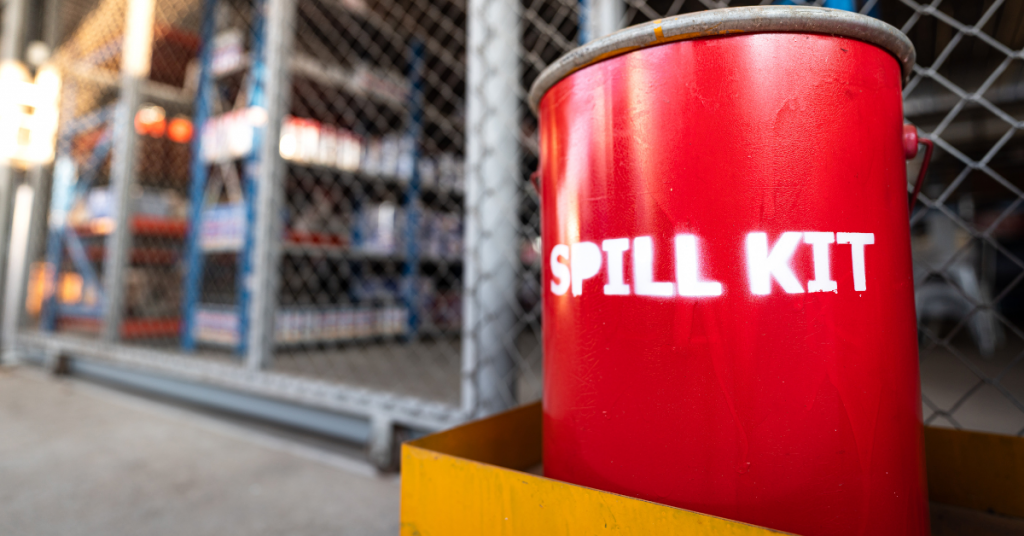
What’s Inside a Spill Kit
A spill kit is designed to make spill response simple and effective. Instead of running around looking for cloths, buckets, or mops, workers have everything they need in one container. Most kits include absorbent pads that quickly soak up liquid, absorbent socks or booms that block and surround the spill, and disposal bags that allow safe collection and removal of waste. Protective gloves and sometimes masks are included to keep workers safe while handling substances that could be harmful. The kits also often contain clear instructions that guide people through the process. This matters because not every worker has advanced training, and during an emergency, simple steps help them act fast without confusion.
Types of Spill Kits for Different Situations
Not every spill is the same, and different workplaces deal with different risks. That is why spillage kit options are usually tailored for certain types of liquids. General-purpose kits are common in places where spills may include cleaning products, mild chemicals, or fluids that are not highly dangerous. Oil-only kits are useful in areas where fuel and oil are common, such as garages, workshops, or transport depots. These kits are made to absorb oil without taking in water, which helps when spills happen outdoors. Chemical kits are built for harsher or more hazardous substances found in labs, plants, or manufacturing sites. Using the right kit prevents accidents from spreading further, as the materials in each kit are designed to work best with the liquid they are meant to absorb.
Real-Life Example of Spill Response
In a workshop, a container of oil is knocked over during a busy shift. If workers only use old rags or sawdust, the oil spreads and creates a wide slippery area. People walking past are at risk of falling, and the cleanup takes longer because the spill is not fully absorbed. If that same workshop has spill kits placed near the storage shelves, the story changes. A worker opens the container, places socks around the spill to stop it spreading, and then uses pads to soak up the oil. Once collected, the waste goes straight into a sealed bag for safe disposal. Within minutes, the floor is clean, safe, and ready to use again. This simple example shows how much easier it is to be prepared instead of relying on improvised cleanup methods.
Industries That Benefit From Spill Kits
Many people think only factories or chemical plants need spill kits, but the reality is very different. Any business that stores, uses, or transports liquids faces risks. Transport companies need kits at loading areas where trucks handle fuel or other fluids. Warehouses that store bulk liquids or cleaning products can deal with leaks at any time, and quick response helps avoid stock losses. Schools and laboratories use chemicals in experiments, so kits give staff and students a safer environment. Garages and workshops work with oil, coolant, and fuel every day, so spills are common and should never be left untreated. Even construction sites see frequent leaks from heavy equipment, making kits valuable tools to keep workers and equipment safe. The truth is that nearly every sector has a reason to keep at least one kit nearby.
Where to Place Spill Kits
Having a kit only works if people can reach it when a spill happens. Too often, businesses buy a kit and then store it far away in a back office or storeroom. When an emergency comes, workers cannot get to it quickly enough. The best approach is to place kits near the areas where spills are most likely. In a workshop, that might be near oil drums or chemical storage. In a warehouse, kits should be positioned at each aisle where liquid containers are stored. On a construction site, they should be close to where heavy machinery is used. The goal is simple: if a spill happens, a worker should only need a few steps to reach the kit. Clear signage also helps so that everyone knows where it is without wasting time.
Training Staff to Use Spill Kits
A kit is only useful if people know how to use it. Training does not need to be long or complicated. Short sessions that show workers how to open the kit, block a spill with socks, and place pads on top are enough to prepare them. Businesses should also make sure everyone knows how to safely bag and dispose of waste once the liquid has been absorbed. Refreshing this training every few months keeps the knowledge fresh. It also helps to do small drills, where a safe liquid like water is used to simulate a spill. This gives workers practice and builds confidence, so when a real spill happens, there is no panic.
The Cost of Being Unprepared
Some businesses look at the price of a spill kit and think it is unnecessary. But the cost of not having one is much higher. Slip-and-fall accidents can lead to claims and downtime. Damaged goods and equipment eat into budgets and slow down operations. Environmental cleanup after a chemical spill can run into large amounts, especially if authorities get involved. In comparison, the cost of keeping a few kits on site is minor. Preparation saves money, protects people, and helps a business avoid trouble that can take months to fix.
Keeping Safety Simple
Spill control does not need to be complex. It is about having the right tools ready, placed where they are needed, and teaching people how to use them. When a spill happens, fast action prevents injuries, stops damage, and keeps work flowing smoothly. A spillage kit is not just a box of supplies, it is a way to keep both people and the workplace safe without stress or delay.