Hair loss affects millions of people across the world, and for many, it can be distressing. Whether caused by genetics, stress, illness, or hormonal imbalance, the emotional effect can be just as serious as the physical one. Luckily, modern treatments such as hair transplant procedures have made it possible to restore natural-looking hair growth. This guide explains how these treatments work, what to expect, and why professional care is so important.
Why Hair Loss Happens
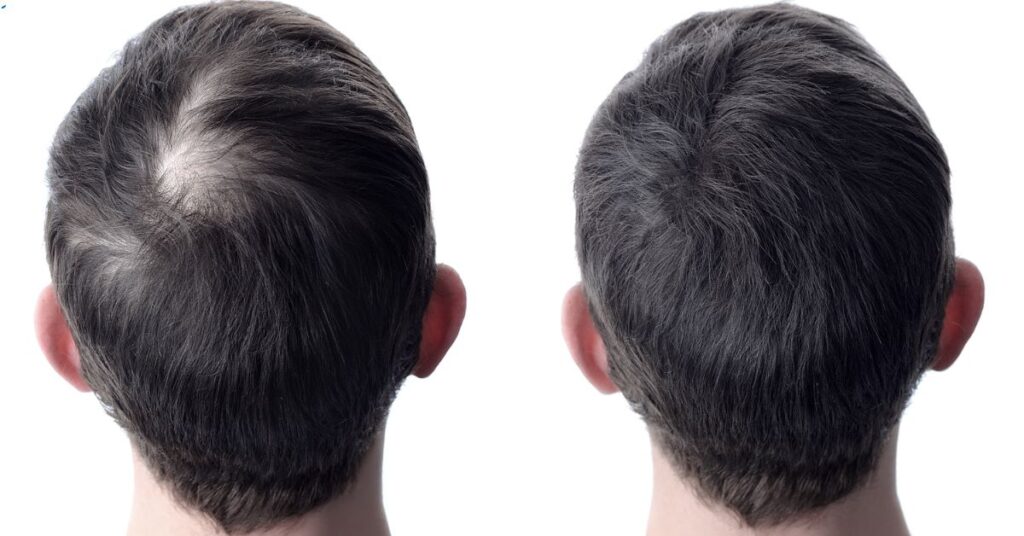
Hair loss can start slowly and then become noticeable over time. The most common cause is hereditary thinning, which usually follows a predictable pattern. Men often lose hair around the crown or hairline, while women notice overall thinning. Stress, poor diet, and certain medications can also make it worse. When hair follicles shrink or become inactive, they stop producing new hair.
Some people experience temporary shedding, especially after illness or childbirth, while others face permanent loss. Understanding the reason is key before starting any treatment. Visiting a clinic that offers hair transplants helps in diagnosing the exact cause and finding a plan that fits your condition.
What a Hair Transplant Involves
A hair transplant is a medical procedure that moves hair from one part of the scalp (usually where it still grows thick) to an area with thinning or bald patches. The hair taken from the donor area keeps its natural growth pattern even after being moved. This means once it’s implanted, it continues to grow normally.
The process is usually done under local anaesthesia, making it comfortable and safe. Depending on the size of the area, the treatment can take several hours, and recovery time is often short. Results appear gradually as the transplanted follicles start to grow new hair over the next few months.
The Difference Between Hair Implants and Hair Transplants
Some people use the terms hair implants and transplants as if they mean the same thing, but there are differences. Hair implants usually refer to artificial fibres placed in the scalp to mimic natural hair. These are rarely used today since natural transplants are safer, last longer, and look more realistic.
A hair transplant uses your own follicles, which reduces the risk of rejection or complications. Modern technology has made these methods far more effective, allowing patients to achieve dense, natural results that blend seamlessly with existing hair.
Different Techniques Used in Hair Restoration
There are two main types of surgical procedures used for hair replacement surgery: Follicular Unit Transplantation (FUT) and Follicular Unit Extraction (FUE).
In FUT, a small strip of scalp is removed from the donor area, and the hair follicles are separated and placed into bald spots. FUE, on the other hand, involves removing individual follicles directly from the scalp and implanting them one by one.
Both methods are effective and are chosen based on the patient’s condition and preferences. FUT can be ideal for covering large areas, while FUE is often preferred for smaller sections and faster healing.
What to Expect Before and After Treatment
Before a hair transplant, your doctor will assess your scalp and explain the best approach. You may need to stop certain medications or hair products before the procedure. The team will mark the areas for extraction and placement to ensure a natural-looking hairline.
After surgery, you might experience mild swelling or redness, which usually fades within a few days. Small scabs can form where follicles were placed but fall off naturally within two weeks. The new hair begins to grow after two to three months, with noticeable results appearing by six months.
It’s common for some of the transplanted hair to fall out before new growth begins—this is part of the process. Over time, the transplanted follicles start producing healthy, permanent strands.
The Benefits of Hair Transplants
The main benefit of hair transplants is that they look natural. Since the procedure uses your own hair, it blends perfectly with your existing texture and colour. The results are permanent, making it a long-term solution compared to temporary fixes like wigs or topical sprays.
Another benefit is improved confidence. Many patients report feeling more comfortable in social and professional situations after treatment. With minimal downtime and predictable results, modern techniques have made this option more popular than ever.
Comparing Hair Implants, Wigs, and Non-Surgical Treatments
While hair implants and wigs may seem cheaper in the short term, they often require more maintenance and don’t provide the same natural results. Non-surgical treatments like medication and laser therapy can help slow down loss or stimulate mild regrowth but are not as effective once bald spots have formed.
In contrast, hair replacement surgery offers lasting and natural results that improve with time. Many patients choose to combine surgery with supportive treatments like scalp therapy to maintain the best possible outcome.
Finding the Right Clinic for Hair Restoration
Choosing the right clinic is just as important as the treatment itself. Always look for experienced surgeons who specialise in hair transplant procedures. Check before-and-after photos, patient reviews, and the clinic’s overall reputation.
The best clinics provide detailed consultations where doctors explain realistic results, cost, and recovery expectations. Transparency and aftercare are key. A professional team will ensure you are comfortable throughout the process and that follow-up appointments are available.
Maintaining Healthy Hair After a Transplant
After your procedure, you will receive simple instructions for washing and caring for your scalp. Gentle handling in the first few weeks helps protect the new follicles. Eating a balanced diet rich in vitamins, avoiding smoking, and reducing stress can also promote better growth.
Regular check-ups allow your doctor to track progress and recommend supportive therapies if needed. With proper care, the transplanted hair will continue to grow naturally for years.
The Confidence That Comes with Regaining Hair
Hair restoration is about more than just appearance. For many people, it represents a return to confidence and normalcy. Losing hair can be difficult, but modern medical science offers safe and reliable ways to change that. Whether you choose hair transplants, hair implants, or hair replacement surgery, what matters most is that the results make you feel like yourself again.
With the right clinic, realistic expectations, and consistent care, you can restore not only your hair but also your sense of confidence and comfort in your appearance.