Losing hair is something that affects millions of people, yet it remains one of those topics most people suffer through quietly. Men notice their hairline moving back. Women see more hair on the brush than they used to. Some people wake up one morning and realise their parting has widened significantly. Whatever the pattern, hair loss is distressing and the frustrating part is that most people wait far too long before getting proper help.
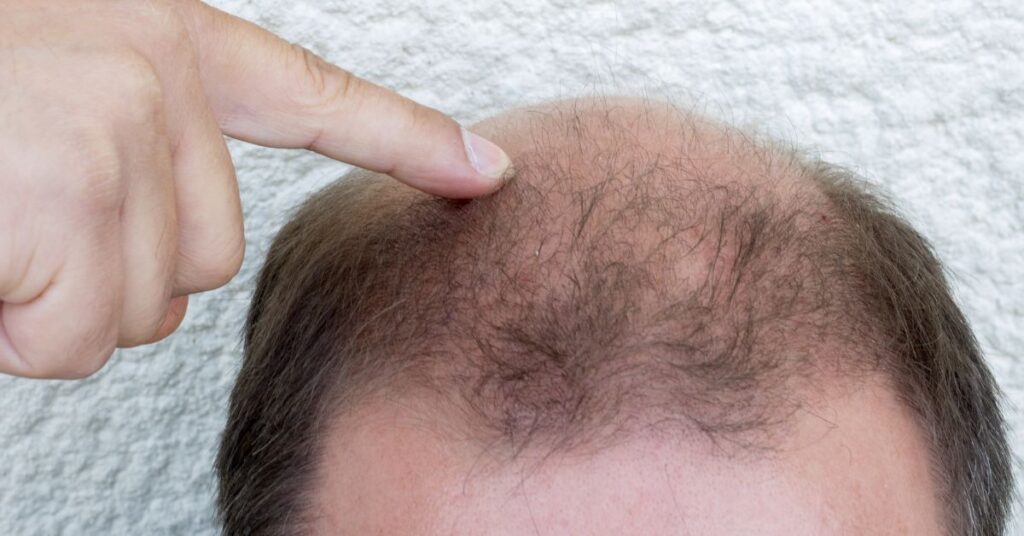
The good news is that there are real solutions available, and getting an accurate diagnosis early makes a significant difference to outcomes. This article covers the main causes of hair loss, the different treatment paths available, and why seeing the right professional matters.
What Is Actually Causing Your Hair Loss?
Hair loss has many possible causes, and identifying the right one is the starting point for any effective treatment. Treating the wrong cause wastes time and money and can sometimes make things worse.
The most common cause in both men and women is androgenetic alopecia pattern hair loss driven by genetics and hormones. In men, this typically starts at the temples and crown. In women, it tends to show as a widening parting or thinning across the top of the scalp rather than a receding hairline.
Alopecia is a broader medical term covering several distinct conditions. Alopecia areata causes patchy hair loss and is an autoimmune condition the immune system mistakenly attacks hair follicles. Alopecia totalis refers to complete loss of scalp hair. Alopecia universalis extends that loss to the entire body. These are very different conditions from pattern baldness and require different approaches.
Other causes of hair loss include thyroid disorders, iron deficiency, significant stress, scalp infections, hormonal changes from pregnancy or menopause, and the long-term effects of certain medications. This is why diagnosis by a qualified professional matters. What looks like simple thinning could be a symptom of an underlying health issue that needs attention beyond just treating the scalp.
Seeing a Trichologist vs. Seeing a Hair Doctor
Two types of professionals deal specifically with hair and scalp health, and they serve slightly different roles.
A trichologist specialises in the science of hair and scalp. They assess hair loss patterns, scalp conditions, and contributing health factors, and they provide treatment plans that may include topical treatments, nutritional recommendations, and clinical therapies. A trichologist near me search will show you practitioners who can carry out detailed scalp and hair assessments without necessarily involving surgery.
A hair doctor typically a dermatologist or specialist physician with a focus on hair can diagnose medical conditions contributing to hair loss and prescribe medications.Hair doctors are important when hair loss is linked to a systemic condition, an autoimmune issue, or when prescription-only treatments are required.
In many cases, the best outcomes come from working with both a trichologist managing the scalp and hair health side, and a medical doctor addressing any underlying health factors.
Treatment Options: What Is Available
Alopecia treatment options have expanded considerably over the past two decades. What works depends entirely on the cause and severity of the hair loss, which is why professional assessment comes before anything else.
Alopecia treatments range from topical applications and oral medications to light therapy and platelet-rich plasma (PRP) injections. Minoxidil remains one of the most widely used topical treatments for pattern hair loss. Finasteride is a commonly prescribed oral medication for men with androgenetic alopecia. Neither is a permanent cure, but both can significantly slow or halt progression when used consistently.
PRP therapy involves drawing a small amount of the patient’s blood, processing it to concentrate the platelets, and injecting it into the scalp. The growth factors in platelets can stimulate dormant follicles and improve hair density. This treatment works best in the earlier stages of hair loss and is not effective once follicles are permanently damaged.
Low-level laser therapy (LLLT) is another non-surgical option that has shown positive results in clinical studies for stimulating follicle activity. It is typically used as part of a broader treatment plan rather than as a standalone solution.
Hair loss treatments at a reputable hair loss clinic will typically be recommended based on a full assessment of the patient’s hair loss pattern, medical history, and goals. A good hair specialist will not push one treatment without first understanding the full picture.
When a Hair Transplant Is the Right Option
For patients with more advanced hair loss where follicles in the affected areas are no longer active, non-surgical treatments have limited effect. In these cases, a hair transplant becomes the most realistic path to restoring hair density.
A hair transplant works by taking healthy, active follicles from a donor area typically the back and sides of the scalp and transplanting them to the thinning or bald areas. The two main techniques are FUE (follicular unit extraction), where individual follicles are removed one by one, and FUT (follicular unit transplantation), where a strip of scalp is removed and divided into grafts. FUE leaves no linear scar and has become the more widely used technique.
Hairline repair is one of the most requested aspects of hair transplant procedures, particularly for men who have experienced significant recession at the front of the scalp. Restoring a natural-looking hairline requires precise placement of grafts at the right angle and density this is where the skill of the surgeon and the quality of the clinic matters enormously.
Medical hair restoration as a field has matured significantly. Results from properly performed procedures look natural because the transplanted hair is your own hair, growing from your own follicles. It grows, can be cut, and behaves exactly like the hair that was originally there.
Choosing the Right Clinic
Not all hair clinics are equal, and the difference in outcomes between a well-run specialist facility and a poorly equipped one can be significant. When searching for a hair clinic near me, look beyond location and price. Ask about the qualifications of the practitioners, the techniques used, the number of procedures performed, and whether before-and-after documentation from real patients is available.
Hair specialists at reputable facilities will always start with a thorough consultation before recommending any treatment. They should assess your scalp under magnification, ask about your medical history and lifestyle, and give you a realistic picture of what can and cannot be achieved. If a practitioner promises dramatic results without proper assessment, that is a warning sign.
Hair restoration is not a quick fix regardless of the method chosen. Non-surgical treatments take months to show results. Transplants take up to a year before the final result is visible. Understanding this timeline before starting any treatment sets realistic expectations and reduces the frustration of slow progress.
The most important step anyone experiencing hair loss can take is to stop waiting and get a proper assessment. The earlier the cause is identified and treatment begins, the better the outcome tends to be.