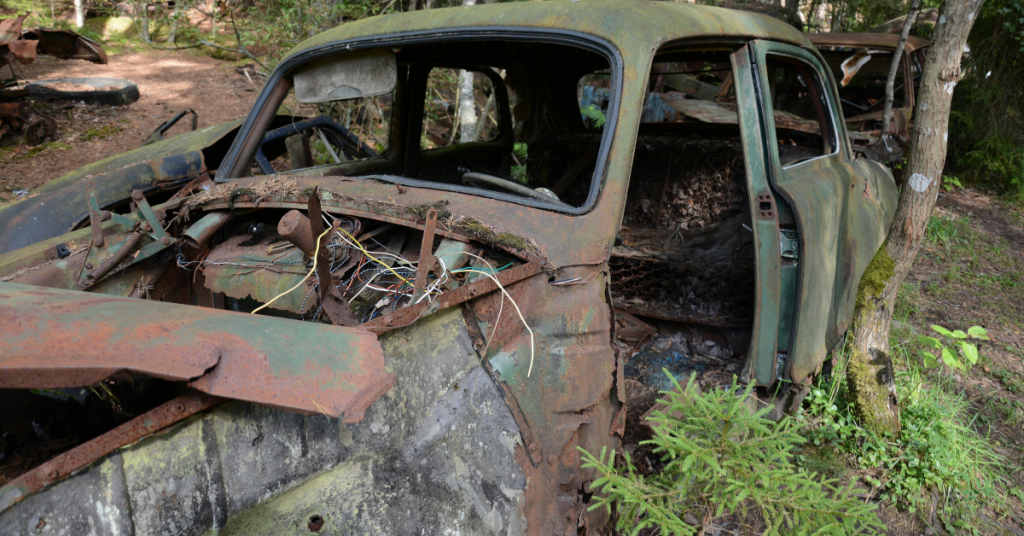
There’s a damaged car sitting in a driveway or garage somewhere in almost every neighbourhood in South Africa. Maybe it was in an accident and the insurance payout wasn’t enough to cover repairs. Maybe the engine gave up and the mechanic’s quote was more than the car is worth. Maybe it just stopped running one day and nobody’s had the time or money to deal with it since. Whatever the story, that car is sitting there doing nothing, losing value by the week, and taking up space that could be used for something better.
The good news is that a damaged, broken, or non-running car still has value. It doesn’t matter if it doesn’t start, if the body is smashed, or if the engine is completely gone. There are buyers who specifically deal in these vehicles, and they’ll pay cash for them. Selling damaged cars is a well-established part of the South African automotive market, and the process is a lot simpler than most people expect.
Why Damaged Cars Still Have Value
A car that doesn’t run might seem worthless to the person staring at it in their driveway, but it’s far from it. Every vehicle is made up of hundreds of components, and many of those parts are still perfectly good even if the car as a whole is not. Engines, gearboxes, alternators, starters, doors, bumpers, headlights, seats, wheels, and electronics all have resale value. The scrap metal alone, the steel, aluminium, copper, and other metals in the body and mechanical components, has a market price that fluctuates but always has some value.
Buyers who specialise in damaged vehicles know exactly how to extract that value. Some strip the cars for parts and sell the components individually. Others repair the vehicles and resell them. And some sell the cars at salvage auctions where other dealers and mechanics bid on them. The point is, the car has value that the current owner isn’t using, and converting it to cash is a straightforward process.
When It Makes Sense to Sell
There are a few common situations where selling my damaged car is the obvious move. The first is when the repair costs exceed the value of the vehicle. If a mechanic quotes R40,000 to fix a car that’s only worth R30,000 in good condition, spending that money doesn’t make financial sense. The smarter move is to sell it as-is and put the cash towards something that actually works.
The second situation is when a car has been sitting unused for months or even years. Every week that a damaged car sits on a property, it loses value. Rubber seals dry out. Batteries die. Rust spreads. Tyres perish. The longer someone waits, the less the car is worth. Selling sooner rather than later always gets a better price.
The third is when someone simply needs the cash. Life throws curveballs. Medical bills, school fees, rent, and unexpected expenses don’t wait for a convenient time. If there’s a damaged car on the property that can be converted to immediate cash, it’s a resource that should be used.
For anyone looking to sell a damaged car, the process starts with getting an assessment. A buyer will look at the make, model, year, extent of damage, and what parts or materials are salvageable, and then make an offer. If the offer works, the deal gets done on the spot.
Mechanical Problems Don’t Mean Zero Value
A lot of people assume that a car with serious mechanical issues is only good for the scrapyard. That’s not true. The decision to sell car with mechanical problems is actually one of the smartest things an owner can do before the situation gets worse. A car with a blown head gasket, a seized engine, a failed gearbox, or major electrical faults still has value in its body panels, interior, running gear, and the hundreds of smaller components that are unaffected by the mechanical failure.
The difference between selling a mechanically failed car now versus letting it sit for another year is significant. A car that’s been parked up and neglected deteriorates quickly. Moisture gets into the interior, wiring harnesses corrode, and what was once a R15,000 car becomes a R5,000 car purely through neglect. Acting quickly preserves value.
Selling for Cash
The most appealing part of selling a damaged vehicle is the speed. Most legitimate buyers offer same-day payment. The option to sell my damaged car for cash means walking away from the transaction with money in hand or in the bank account within hours. No waiting for cheques to clear, no instalment plans, and no follow-up visits. Cash on the day is the standard.
To sell damaged cars for cash, the process is typically as follows. Contact the buyer with details of the vehicle: make, model, year, and a description of the damage. The buyer provides a preliminary quote. If the quote is acceptable, a time is arranged for the buyer to inspect the vehicle in person. After inspection, a final offer is made. If accepted, payment happens immediately and the car is collected. The whole thing can happen within 24 hours of the first phone call.
Finding a Buyer Near You
Location matters when selling a damaged car. Nobody wants to arrange complicated transport for a vehicle that doesn’t run. Searching for sell my damaged car near me is the quickest way to find buyers who operate in a specific area and can come to the vehicle rather than requiring it to be delivered.
For people based in Gauteng, the options are plentiful. To sell my damaged car in Johannesburg is straightforward given the concentration of damaged car buyers in the area. Johannesburg and the greater Gauteng region have the highest volume of vehicles in the country, which means the buyer market is strong and competitive. More buyers competing for vehicles generally means better offers for sellers.
The question of who buys non running cars near me comes up a lot, and the answer is that there are dedicated businesses whose entire operation revolves around buying damaged and non-running vehicles. These aren’t dodgy backyard operators. They’re established businesses with proper processes, paperwork, and payment systems. They buy cars in any condition, from minor cosmetic damage to complete write-offs, and they handle the collection and paperwork as part of the service.
Non-Running Cars and Their Worth
One of the most common questions is how much is a non running car worth, and the honest answer is that it varies. The make and model play a big role. A non-running Toyota Hilux or Volkswagen Polo is worth more than an obscure import with limited parts demand. The year matters too. Newer vehicles, even damaged ones, carry more value than older ones simply based on the parts being in higher demand.
The extent of the damage is another factor. A car that doesn’t run because of an electrical fault is worth more than one that’s been in a major frontal collision. The amount of salvageable material differs, and buyers price accordingly.
Getting a specific number requires an assessment, but the general principle is simple: if the car has a well-known make and model, is relatively recent, and has damage that’s limited to one area or system, it’s going to be worth more. Older vehicles with extensive damage or rare models with limited parts demand will be worth less, but they’ll still have value above zero.
The option to sell non running cars exists regardless of condition. Whether it starts or not, whether it rolls or not, and whether it looks like a car or a crumpled piece of metal, there’s a buyer out there for it. The value might vary, but the market is there.
The Alternative: Scrapping
For vehicles that are truly at the end of their useful life, the option to scrap my car is available. Scrapping means the vehicle gets broken down entirely, the usable parts get sold, and the remaining metal goes to a scrap dealer. The payment is based on the weight of the scrap metal and the value of any salvageable components. It’s less than what a repairable vehicle would fetch, but it’s still money for something that was otherwise just rusting away.
Scrapping also comes with the benefit of clearing the property and removing the liability. An unregistered or unlicensed vehicle sitting on a property can attract fines, complaints from neighbours, and attention from municipal authorities. Getting it removed and getting paid for it solves multiple problems at once.
The Decision to Sell
Anyone who has been putting off the decision to sell your damaged car should consider what that delay is actually costing them. The car is losing value every day. It’s taking up space. It’s an eyesore. And the money it represents is sitting there unused while bills pile up and life moves on.
The process of sell my damaged car is fast, simple, and pays immediately. There are businesses across South Africa whose sole purpose is captured in three words: we buy damaged cars. They make the process painless, they handle the paperwork, they collect the vehicle, and they pay on the day. There’s no reason to keep a damaged car sitting around when it could be turned into cash that actually does something useful. The car isn’t getting any more valuable with time. The best day to sell it was the day it broke. The second-best day is right now.