Car repairs can drain a bank account faster than almost anything else. A single part from a dealership can cost thousands of rands, and labour charges add up quickly. That is why so many South African motorists turn to alternative sources for parts and engines. Knowing where to look and what to ask can save serious money without sacrificing quality.
A scrap yard is one of the best places to find affordable car parts. These businesses buy damaged, written-off, and end-of-life vehicles, then strip them down and sell the usable components. What would otherwise end up as waste gets a second life in someone else’s car. It is good for wallets and good for the environment.
How Scrap Yards Work
When a vehicle reaches the end of its useful life, it often ends up at a stripping centre. Maybe it was in an accident, or the cost of repairs exceeded its value. Sometimes owners simply decide the car is not worth fixing and sell it for parts.
The yard then goes through the vehicle systematically. Engines, gearboxes, doors, lights, mirrors, seats, and hundreds of smaller components get removed, catalogued, and stored. When a customer needs a specific part, the yard can check their inventory and pull the item.
Searching for a “scrap yard near me” is how many drivers start looking for parts. Location matters when dealing with heavy items like engines or body panels. A yard close to home means lower delivery costs or an easier trip to collect parts in person.
For those in Gauteng, finding a scrap yard in Johannesburg opens up plenty of options. The city’s size means more vehicles pass through, creating a larger selection of available parts across different makes and models.
Why Buy Second Hand Engines
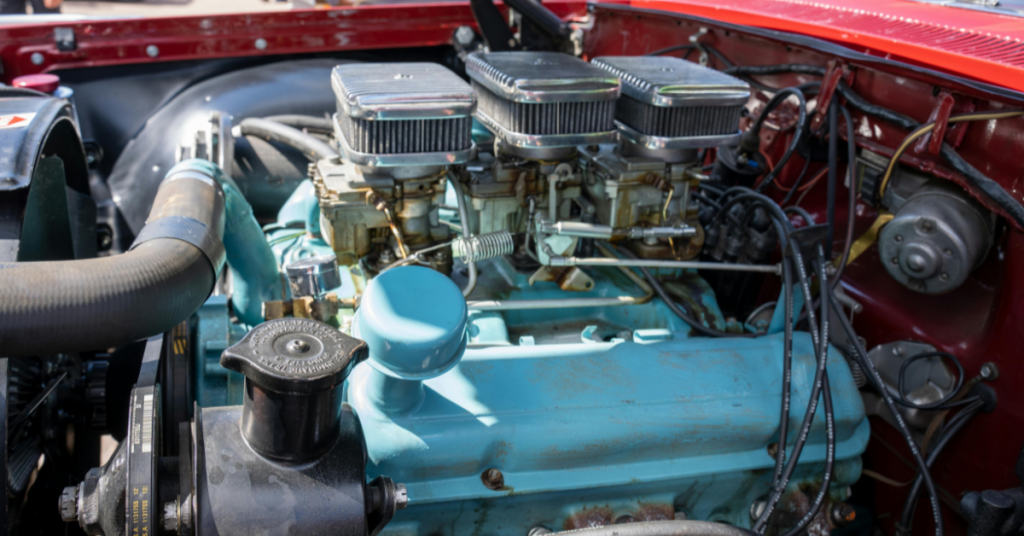
Sometimes a car needs more than just a small repair. Engine failure is one of the most expensive problems a vehicle can have. Rebuilding a damaged engine or buying new from a manufacturer costs a fortune. That is where second hand engines come in.
Used engines come from vehicles that were scrapped for reasons unrelated to the motor. A car might have been rear-ended, flood-damaged in the interior, or simply too old to justify fixing. The engine itself could still have plenty of life left.
Buying a used motor makes financial sense for older vehicles. Spending R80 000 on a new engine for a car worth R60 000 does not add up. A second hand unit costing a fraction of that price keeps the car running without the financial pain.
Car engines are surprisingly durable when maintained properly. Many motors can run for 300 000 kilometres or more before needing major work. An engine pulled from a vehicle with 150 000 kilometres still has half its life ahead of it, and that represents real value for a buyer.
Imported Engines as an Option
Not all replacement engines come from local vehicles. Imported engines arrive from markets like Japan, the UK, and Europe. These motors often come from countries with strict vehicle inspection programmes that force cars off the road while they still have plenty of usable parts.
Japanese imports are particularly popular in South Africa. Japan has rigorous roadworthiness testing that leads to vehicles being scrapped earlier than they would be here. Engines from these cars often have lower mileage and have been maintained according to manufacturer schedules.
The downside of imported engines is that you cannot inspect them before purchase the way you can with local stock. Reputable suppliers test these motors and offer guarantees, but doing homework on where the engine comes from and what testing it has undergone is still important.
What to Check Before Buying
Not all second hand engines are equal. Some have been well cared for, while others have been neglected or pushed hard. A few checks can help avoid buying a problem.
Ask about the mileage on the engine. Lower is usually better, but a high-mileage engine that was serviced regularly may outlast a lower-mileage one that was neglected. Service history documentation adds confidence, though it is not always available for used parts.
Find out why the donor vehicle was scrapped. An engine from a car that was rear-ended is more appealing than one from a vehicle with a history of overheating or oil leaks. The reason for scrapping can tell you a lot about the condition of the motor.
Check if the engine has been tested. Good suppliers will have run the motor or at least checked compression and other basics. Some offer warranties that provide protection if something goes wrong shortly after installation.
Make sure the engine matches your vehicle. Car manufacturers use different engine codes even within the same model range. A motor that looks similar might have different mountings, wiring, or computer systems. Get the exact engine code from your current motor and match it to what you are buying.
Finding Engines for Sale
Shopping for engines for sale has become easier with technology. Many scrap yards and engine suppliers list their inventory where buyers can search by make, model, and year. This saves time compared to calling around to multiple yards asking if they have a specific motor in stock.
Word of mouth still works well in the automotive world. Mechanics often know which suppliers are reliable and which ones to avoid. A trusted mechanic can also help identify exactly which engine you need and what to look for when buying.
Price comparisons are worth the effort. The same engine can vary significantly in cost from one supplier to another. The cheapest option is not always the best, but neither is the most expensive. Balance price against factors like warranty, mileage, and the supplier’s reputation.
Installation Considerations
Buying the engine is only part of the process. Installation requires skill, tools, and time. Unless you are an experienced mechanic with a proper workshop, this is a job for professionals.
Labour costs for fitting an engine vary based on the vehicle and the complexity of the swap. Some cars are designed with easy access to the motor, while others require removing dozens of components to get the engine out and the replacement in.
A good mechanic will inspect the replacement engine before installation, checking for obvious issues and making sure it matches the vehicle. They will also handle details like swapping over sensors, brackets, and accessories from the old motor if needed.
Budget for ancillary parts that might need replacing during the swap. Items like the clutch, water pump, belts, and hoses are easier to change while the engine is out. Doing this work at the same time as the engine swap saves labour costs in the long run.
Making Smart Choices
The second hand parts market keeps many South African vehicles on the road. Without access to affordable engines and components, countless cars would end up scrapped simply for being too expensive to fix.
Smart shopping means asking questions, checking facts, and working with reputable suppliers. A quality second hand engine fitted properly can give years of reliable service. The savings compared to new parts make it possible to keep older vehicles running long past when they might otherwise have been abandoned.
Taking time to find the right part from the right source pays off in the end.