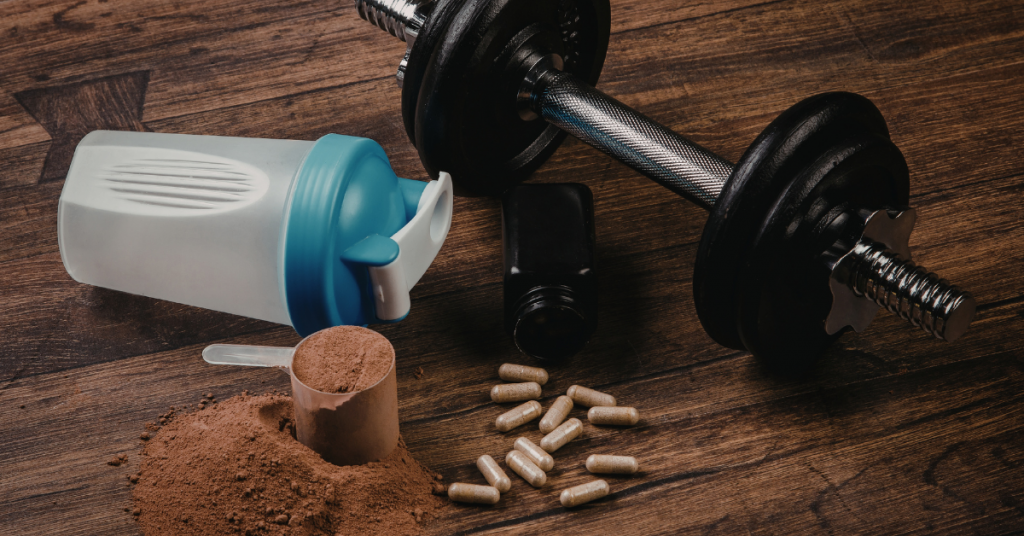
Walking into a supplement store or browsing online can feel confusing. Shelves and pages are filled with tubs, bottles, and packets all promising results. The labels use terms that might not mean much to someone just starting out. Knowing what different supplements do and when to use them helps cut through the noise and make smart choices.
Fitness supplements are not magic. They work best alongside consistent training and proper nutrition. No powder or pill replaces hard work in the gym and good food on the plate. But the right supplements, used correctly, can support training goals and help the body recover and grow.
Understanding Protein Supplements
Protein is the building block of muscle. When you train, you create tiny tears in muscle fibres. The body repairs these tears and makes the muscle stronger and larger in the process. Protein provides the raw material for this repair work.
Getting enough protein from food alone can be tricky. Chicken, fish, eggs, and beef all contain protein, but eating enough of these foods to meet training demands takes planning and preparation. Protein powders offer a convenient way to boost protein intake without cooking another meal.
Whey protein is the most popular type of protein supplement. It comes from milk and absorbs quickly into the body. This makes it ideal for drinking after a workout when muscles are ready to soak up nutrients. A shake made with whey protein and water or milk takes seconds to prepare and delivers 20 to 30 grams of protein.
The taste of protein powders has improved a lot over the years. Chocolate, vanilla, strawberry, and dozens of other flavours make drinking a protein shake enjoyable rather than a chore. Some people blend their shakes with fruit, oats, or nut butter to make more filling drinks.
Timing matters with protein, but not as much as some people think. The most important thing is getting enough total protein throughout the day. A shake after training helps, but so does protein at breakfast, lunch, and dinner. Spreading intake across the day keeps a steady supply available for muscle repair.
When More Calories Are Needed
Some people struggle to gain weight. Their metabolism runs fast, or their appetite is small, or their schedule makes eating enough difficult. For these individuals, eating in a calorie surplus feels like a full-time job. Every meal needs to be big, and snacking between meals is required just to break even.
Mass gainers are designed for exactly this situation. These supplements combine protein with carbohydrates and fats to create a high-calorie shake. A single serving can contain 500 to 1000 calories or more. Drinking calories is easier than chewing them, which makes mass gainers useful for hard gainers who cannot eat enough food.
Mass gainers work best as a supplement to meals, not a replacement for them. Real food should still form the foundation of the diet. The shakes fill in gaps when appetite runs out or time runs short. Drinking a mass gainer between breakfast and lunch or before bed adds calories without requiring another full meal.
Not everyone needs a mass gainer. People who gain weight easily or who are trying to stay lean should stick with regular protein powders. The extra calories in mass gainers can lead to unwanted fat gain if total intake exceeds what the body uses.
Powering Through Workouts
Energy levels matter in the gym. A tired, unfocused workout produces worse results than one where every set gets full effort. Some days energy is naturally high. Other days, getting off the couch feels like an achievement.
Pre-workout supplements are designed to boost energy, focus, and performance. Most contain caffeine, which wakes up the nervous system and makes everything feel more urgent. Other ingredients may include amino acids, vitamins, and plant extracts that support blood flow and endurance.
Taking a pre-workout 20 to 30 minutes before training gives the ingredients time to kick in. The effects typically last through the workout and fade over the following hours. Most people feel more alert, more focused, and more capable of pushing hard.
Caffeine tolerance builds over time. Someone who has never had coffee will feel a pre-workout strongly. Someone who drinks three coffees a day may need a higher dose to notice the effects. Cycling off caffeine periodically helps reset sensitivity.
Pre-workouts are not required for a good workout. Proper sleep, nutrition, and hydration matter more. But on days when energy is low or motivation is lacking, a pre-workout can provide the push needed to train hard.
Building Strength and Power
Creatine powder is one of the most researched supplements available. Studies consistently show that it helps with strength, power, and muscle growth. The body produces creatine naturally, but supplementing increases the amount stored in muscles.
Creatine works by helping regenerate ATP, the energy currency of cells. During short, intense efforts like lifting weights or sprinting, the body burns through ATP quickly. More creatine in the muscles means more ATP can be regenerated, which means more reps or heavier loads.
The standard dose is 3 to 5 grams per day. Some people do a loading phase of higher doses for the first week, but this is not strictly necessary. Consistent daily use builds up creatine stores over a few weeks regardless of the starting dose.
Creatine pulls water into muscle cells, which can cause a slight increase in body weight. This is not fat gain. The water makes muscles look fuller and supports the environment where muscle growth happens. Staying well hydrated helps creatine work properly.
Side effects are rare and minor for most people. Some experience stomach discomfort if they take creatine without enough water. Taking it with a meal or shake usually prevents this issue.
Putting It All Together
Starting with supplements can feel overwhelming, but it does not need to be complicated. Building a stack starts with the basics and adds complexity only when needed.
Protein powder is the foundation. Almost everyone who trains seriously benefits from having a convenient protein source available. A tub of protein lasts weeks and costs less per serving than most protein-rich foods.
From there, add supplements based on specific goals. Struggling to eat enough? Consider a mass gainer. Feeling flat before workouts? Try a pre-workout. Wanting to get stronger and build more muscle? Creatine has a strong track record.
Quality matters when choosing supplements. Look for products that list their ingredients clearly and do not hide behind proprietary blends. Third-party testing provides extra confidence that what is on the label is actually in the product.
Supplements work best when the basics are handled. Training needs to be consistent and challenging. Nutrition needs to support the training with enough calories and nutrients. Sleep and recovery need attention. Get these fundamentals right, and supplements become the finishing touch that helps push results a bit further.
Starting simple, learning what works for the individual body, and adjusting over time leads to better results than buying every product on the shelf. Fitness is a long game, and supplements are just one tool among many.