The garage is one of the most used entry points of any home, and yet the door protecting it often gets very little thought until something goes wrong. Picking the right one and keeping it in good shape makes a real difference to the look of your property, the security of your home, and how much maintenance you’ll be dealing with down the line.
Why Your Garage Door Matters More Than You Think
A garage door takes up a big portion of the front face of most homes. In a lot of cases, it’s one of the first things people notice when they pull up. That means the style, material, and condition of your door has a direct impact on how your property looks from the street.
Beyond appearance, there’s also the security side of things. A well-fitted, good-quality door is a serious line of defence against break-ins. A flimsy or damaged one, on the other hand, can be a real weak point. And then there’s insulation. A properly sealed door helps keep your garage at a more stable temperature, which matters if you use the space as a workshop, storage area, or gym.
Types of Garage Doors and Which Might Work for You
There are quite a few types of garage doors on the market, and the right choice depends on your budget, your property style, and how much maintenance you’re willing to do.
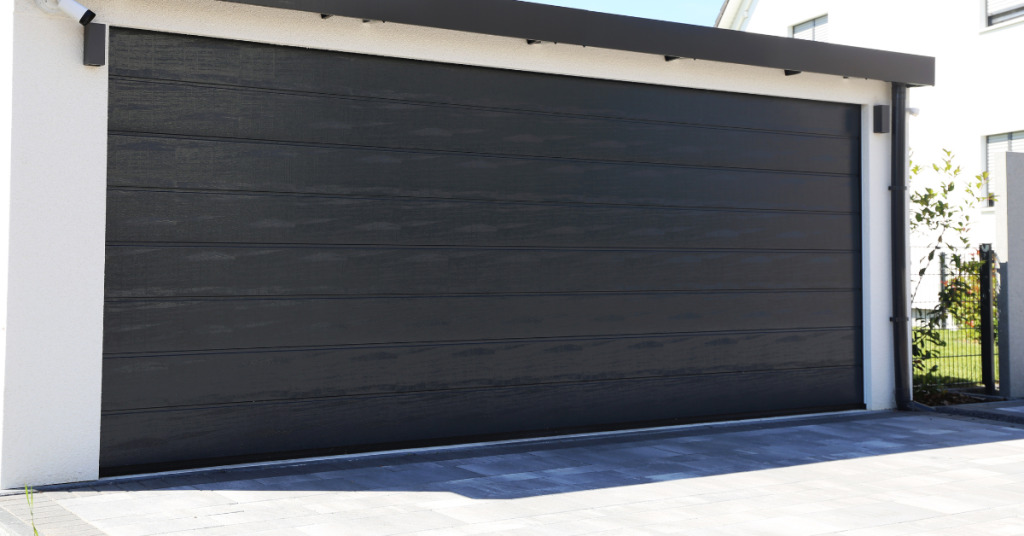
Sectional doors are made up of horizontal panels that hinge together and slide upward when opened. They’re popular because they don’t swing outward, which saves space on your driveway. They also tend to seal well and offer good insulation.
Roll-up doors coil up into a compact drum above the opening. These work well in garages with limited ceiling space and are often used in commercial settings, though they’re becoming more common in homes too.
Tilt-up doors are a single solid panel that swings outward and then up into a horizontal position. They’re simple in design and can look very clean, but they do require clearance in front of the garage.
Side-hinged doors open outward like traditional barn doors. They’re a more classic option and work well for people who walk in and out of the garage on foot regularly.
Each type comes in different materials, which brings us to one of the most important decisions you’ll make.
Wooden Garage Doors: Classic, Warm, and Worth Considering
Wooden garage doors have been popular for decades and for good reason. They have a warmth and character that’s hard to replicate with other materials. A solid timber door suits period homes, farmhouses, and properties with a more traditional aesthetic particularly well.
The main thing to know about wood is that it needs regular maintenance. It should be sealed, painted, or stained periodically to protect it from moisture and sun damage. If left untreated, wood can warp, crack, or rot, especially in areas with a lot of rain or humidity.
That said, when properly cared for, a wooden door can last for many years and looks genuinely impressive. You can also get them custom-made more easily than other materials, which is a big advantage if you want something specific.
Aluminium Garage Doors: Low Maintenance and Modern
Aluminium garage doors have become one of the most popular choices in recent years, and it’s not hard to see why. They’re lightweight, rust-resistant, and need very little upkeep. Unlike steel, aluminium won’t corrode even in coastal areas where salt air is a factor.
They suit contemporary and minimalist properties extremely well. They often come with glass panel options, allowing natural light to filter into the garage, which is a huge plus if you use the space for more than just parking.
The trade-off is that aluminium dents more easily than steel, and those dents can be harder to repair. It also tends to be a less insulating material on its own, though you can get insulated aluminium options.
What to Think About When Looking at Garage Doors for Sale
When browsing garage doors for sale, there are a few things worth comparing before you commit to anything.
Insulation rating: If your garage is attached to your house, a well-insulated door can make a noticeable difference to the temperature in rooms adjacent to it. Look for an R-value that suits your climate.
Security features: Look for sturdy locking mechanisms and strong, thick panels. A door that looks good but offers minimal resistance isn’t doing its job.
Motor compatibility: If you want an automated opener, make sure the door you’re buying is compatible with the motor system you plan to use.
Warranty: A good door should come with a meaningful warranty. Check what’s covered and for how long.
Weight: This affects the spring system required and how much strain is placed on the motor over time.
Getting the Installation Right
Poor garage door installation is one of the most common reasons people have ongoing problems with their doors. A door that’s been fitted incorrectly may not seal properly, may make excessive noise, or may fail earlier than it should.
Installation involves more than just hanging the door. Springs, cables, tracks, and the opener all need to be set up and calibrated correctly. Springs in particular hold a significant amount of tension and can be dangerous to work with if you don’t have experience. For this reason, it’s always better to have a professional handle the installation rather than attempting it as a DIY project.
Getting it right the first time also protects your warranty. Many manufacturers will void coverage if the door wasn’t installed by a qualified person.
When Things Go Wrong: Garage Door Repairs
Even a well-maintained door will eventually need attention. Springs break, cables fray, panels get dented, and tracks can come out of alignment. When any of these things happen, garage door repairs should be handled sooner rather than later.
A door that’s struggling to open or close properly puts extra strain on the motor. That can turn a simple repair into a much more expensive one if left too long. A door that won’t close at all is obviously a security issue too.
The most common repairs include:
Broken springs: These are what counterbalance the weight of the door and allow it to open smoothly. When one breaks, the door may not open at all, or it may feel extremely heavy.
Misaligned tracks: If the rollers aren’t moving along the tracks properly, the door will jerk or stick. This can sometimes be fixed by adjusting the track position, though in other cases the tracks may need to be replaced.
Worn cables: The cables work alongside the springs to lift and lower the door. Fraying cables are a safety risk and should be replaced straight away.
Faulty openers: Remote systems, safety sensors, and circuit boards can all develop faults. Sometimes it’s a simple fix, and other times the motor unit needs replacing.
Maintaining Your Door to Avoid Bigger Problems
A bit of regular upkeep goes a long way. Every few months, have a look at the moving parts, including rollers, hinges, springs, and cables, and check for any obvious signs of wear or rust. Lubricate the moving parts with a suitable spray to keep things running smoothly.
Test the auto-reverse feature on your opener periodically. This is the safety mechanism that causes the door to reverse if it hits an object while closing. If it’s not working properly, it’s a real safety risk.
Keep the tracks clean and free of debris. Even a small buildup of dirt or grease can cause the door to track unevenly.
A garage door that’s looked after properly will serve you reliably for many years. The cost of regular maintenance is always far less than the cost of an emergency repair or a premature replacement.