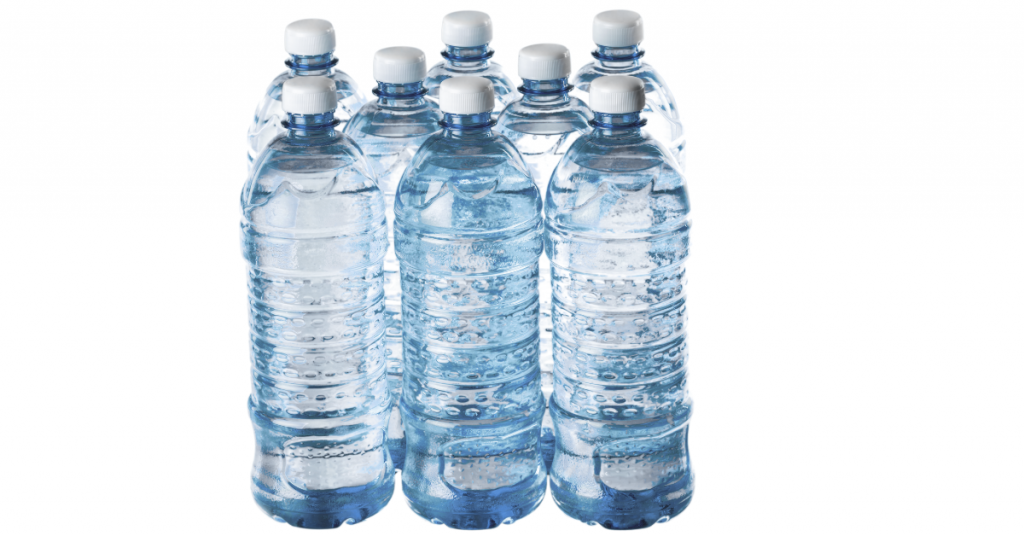
Clean drinking water is something most people take for granted until the tap runs dry or the quality drops. That is why water dispensers have become so common in offices, gyms, schools, and homes across South Africa. But the dispenser is only half the story. The bottles that go on top are just as important, and picking the right ones can save money and hassle in the long run.
Water bottles for water dispenser units come in different sizes and materials. Understanding what is available helps when it is time to stock up or switch suppliers. Whether you need bottles for a small office or a large warehouse, there are options that fit every situation.
How Water Dispensers Work
A water dispenser is a simple machine. You place a bottle on top, and gravity or a pump pushes the water down into a reservoir. From there, you can get cold, hot, or room temperature water depending on the model. The bottle acts as the main storage, so its size determines how often you need to replace it.
Water dispenser bottles need to fit properly on the dispenser unit. Most dispensers use a standard neck size, but it is worth checking before ordering in bulk. A bottle that does not seal correctly can leak or let dust and dirt into the water.
Common Bottle Sizes
The most popular sizes for dispenser bottles are 10 litres and 18.9 litres. Each has its own advantages depending on where and how you use it.
10 litre water bottles are easier to lift and carry. They work well for smaller offices or home use where only a few people drink from the dispenser each day. The lighter weight means less strain when loading a new bottle onto the machine. For elderly users or those with back problems, the smaller size makes a real difference.
18.9l water bottles hold almost twice as much water. They are the standard choice for busy workplaces where many people use the dispenser throughout the day. Changing bottles less often means less interruption to the workday. 18.9 litre watter bottles are the go-to option for restaurants, factories, and large offices.
The trade-off with bigger bottles is the weight. A full 18.9 litre bottle weighs close to 19 kilograms. That is heavy, and not everyone can lift it safely. Some workplaces assign the task to specific staff members or use bottom-loading dispensers that do not require lifting.
What Are These Bottles Made Of?
Most water dispenser bottles are made from PET plastic or polycarbonate. PET stands for polyethylene terephthalate, a type of plastic that is lightweight, clear, and safe for food and drink storage.
A PET bottle manufacturer produces bottles using a two-step process. First, they create PET preforms, which are small test-tube-shaped pieces of plastic. These preforms are then heated and blown into the final bottle shape using special machines. This method creates strong, consistent bottles that can handle repeated use.
Working with a reliable plastic bottle manufacturer matters for businesses that go through many bottles each month. Quality control during production means fewer defective bottles, better seals, and longer-lasting products.
Water Cooler Bottles and Their Uses
Water cooler bottles is another name for dispenser bottles. The terms are used interchangeably since water coolers and water dispensers do the same job. Some people say cooler when they mean a unit that chills the water, and dispenser for units that just dispense at room temperature. Either way, the bottles are the same.
Water cooler water bottles need to be food-grade and designed for multiple uses. Unlike single-use plastic bottles that get thrown away after one drink, dispenser bottles are returned, cleaned, sanitised, and refilled many times. This makes them better for the environment and more cost-effective over time.
The cleaning process is thorough. Returned bottles go through washing machines that scrub the inside and outside. They get rinsed with hot water and sometimes treated with ozone or UV light to kill any remaining bacteria. Only bottles that pass inspection get refilled and sent back out.
The Importance of Good Caps
A bottle is only as good as its seal. Water dispenser bottle caps keep the water clean and prevent spills during transport and storage. A loose or damaged cap can let contaminants in or cause leaks that waste water and make a mess.
Water bottle caps for dispensers are designed to puncture or release when the bottle is placed on the machine. Some have a probe hole in the middle that the dispenser spike pushes through. Others have a peel-off tab or a valve system. The design depends on the dispenser model and the bottle manufacturer.
When ordering bottles, always check that the caps match your dispenser type. Using the wrong cap can damage the dispenser or prevent water from flowing properly. Most suppliers can advise on compatibility if you tell them what dispenser model you have.
Storing and Handling Bottles
Proper storage keeps water fresh and bottles in good condition. Keep full bottles in a cool, shaded area away from direct sunlight. Heat and light can affect the taste of water and may cause the plastic to degrade over time.
Stack bottles carefully to avoid damage. The bottom bottles in a stack carry the weight of those above, so do not stack too high. Most manufacturers suggest a maximum stack height of three or four bottles. Going higher risks cracking or warping the lower bottles.
When handling bottles, use proper lifting techniques. Bend at the knees, keep your back straight, and hold the bottle close to your body. For the larger 18.9 litre bottles, consider using a trolley or asking for help. Back injuries from improper lifting are common and completely avoidable.
Choosing a Supplier
Finding a good bottle supplier takes some homework. Look for one that offers consistent quality, reliable delivery, and fair pricing. Ask about their cleaning and sanitising process for returned bottles. A supplier who cuts corners on hygiene is not worth the risk.
Delivery schedules matter for businesses that cannot afford to run out of water. A good supplier will work with you to set up regular deliveries based on your usage. They should also be able to handle emergency orders when you go through bottles faster than expected.
Price is a factor, but it should not be the only one. The cheapest bottles might have thin walls that crack easily or caps that do not seal well. Paying a bit more for quality bottles from a reputable plastic bottle manufacturer often saves money in the long run through fewer replacements and less wasted water.
Making the Right Choice
The right water bottles depend on your specific needs. Think about how many people will use the dispenser, how often you want to change bottles, and who will be doing the lifting. A small home office has different requirements than a factory floor with fifty workers.
Talk to suppliers, ask questions, and do not be afraid to try a few options before committing to a long-term order. The goal is clean, convenient drinking water without hassle or waste. With the right bottles and a reliable supplier, that goal is easy to reach.