Why Standard Furniture Falls Short in Medical Settings
Walk into any hospital ward and you will see patients spending hours in a chair. Whether they are recovering from surgery, going through dialysis, or waiting for test results, people sit for long stretches. A regular chair from a furniture store is not built for that kind of use. The seat cushion goes flat, the armrests are too narrow, and the backrest does not support someone who needs to shift positions throughout the day.
That is where purpose-built hospital chairs come in. These are designed from scratch for medical environments. The frames are stronger, the upholstery is easier to clean, and the reclining mechanisms are built to handle constant daily use without breaking down.
In a hospital, furniture is not just about comfort. It affects patient recovery, staff efficiency, and infection control. A chair that is hard to wipe down becomes a hygiene risk. A chair that does not recline properly means a nurse has to spend extra time adjusting a patient by hand. The right seating saves time, reduces strain on staff, and gives patients a better experience during what is already a difficult time.
What Makes Medical Seating Different
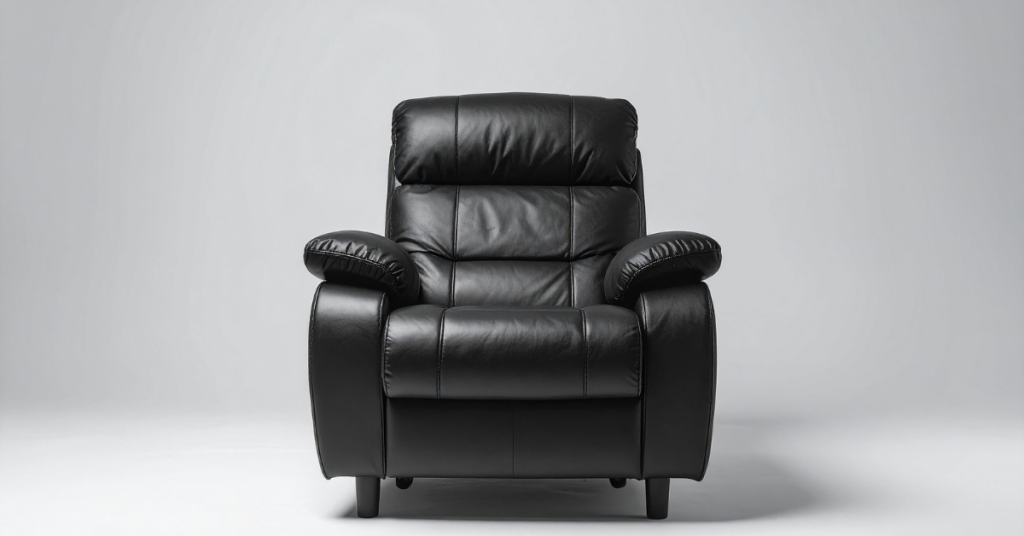
Medical recliners are built to a different standard than household furniture. The frame is usually steel or reinforced metal, strong enough to support patients of all sizes without flexing. The reclining mechanism is rated for thousands of cycles, meaning it can be adjusted dozens of times a day for years without wearing out.
The upholstery is one of the biggest differences. Most medical recliner chairs are covered in medical-grade vinyl or a similar material that resists fluids, stains, and bacteria. This matters in a healthcare setting where spills happen and surfaces need to be wiped down with strong disinfectants several times a day. Fabric chairs would absorb liquids and harbour germs, making them unsuitable for clinical use.
The padding is firmer than what you would find on a living room recliner. That might sound less comfortable, but firmer cushioning actually holds up better over long sitting periods. It supports the body without creating pressure points, and it does not compress and go flat after a few months of heavy use.
Where These Chairs Get Used
The most common place you will see hospital recliners is in patient rooms. After surgery or during a hospital stay, patients are encouraged to sit upright for parts of the day. It helps with breathing, circulation, and digestion. A recliner that adjusts to multiple positions makes it easy for a patient to go from sitting upright to a semi-reclined position without needing help from a nurse every time.
Dialysis units rely on reclining chairs heavily. Patients sit for three to five hours during a dialysis session, sometimes three times a week. The chair needs to support them in a comfortable reclined position for the full session while giving nurses easy access to the patient’s arm for the treatment lines.
Oncology departments use them during chemotherapy infusions. These sessions can last anywhere from thirty minutes to several hours. A good recliner with adjustable positions, a swing-away arm for IV access, and a sturdy footrest makes a real difference to how a patient feels during treatment.
Maternity wards, recovery rooms, emergency departments, and long-term care facilities all have their own seating needs. In each of these spaces, the chair has to be durable, easy to clean, and flexible enough to accommodate different body types and medical situations.
Features That Matter Most
When selecting chairs for hospital use, there are a few features that separate a good chair from a great one.
Reclining range is near the top of the list. A chair that only goes back to a slight angle is not much use for a patient who needs to rest or sleep in it. The best models recline from a full upright position all the way to nearly flat, with several locking positions in between. This range is sometimes called infinite position reclining, where the chair locks at any point along the arc rather than just at fixed notches.
Swing-away arms are a big deal in treatment settings. When a nurse needs to help a patient get in or out of the chair, a fixed armrest gets in the way. Arms that swing out or fold down make patient transfers much safer and quicker. In dialysis and infusion rooms, swing-away arms give direct access to the patient’s arm without awkward reaching.
Casters with locks are standard on most hospital recliner chairs. The wheels make it easy to reposition the chair in a room or roll a patient from one area to another. The locking mechanism keeps the chair steady when the patient is sitting in it, preventing any unexpected rolling.
Weight capacity is another factor. Standard chairs might support up to 130 kilograms, but bariatric models are available that handle 300 kilograms or more. Having the right capacity for the patient population is not optional. An undersized chair is a safety risk.
Comfort During Long Stays
Hospital armchairs with thick padded cushions and supportive headrests make a noticeable difference for patients who spend hours in them. The headrest should be adjustable so that shorter and taller patients can both find a comfortable position for their neck.
Heat and lumbar support are features that used to be found only on expensive models but are now becoming more common. Built-in heat pads in the seat and backrest help with muscle tension and circulation. Lumbar adjustment lets a patient fine-tune the lower back support, which is useful for anyone with existing back problems or post-surgical discomfort.
Side tables and tray attachments are practical additions. They give patients a surface for meals, reading, or using a tablet without needing a separate bedside table. In smaller rooms where floor space is limited, a chair with an integrated tray saves room and keeps things within reach.
Durability and Cleaning
A recliner in a hospital gets far more use than one in a home. It might be used by multiple patients in a single day, wiped down with strong cleaning solutions between each one, and adjusted hundreds of times a week. The construction has to handle that kind of wear.
Look for welded steel frames rather than screwed or bolted joints. Welded frames hold up better under repeated stress. The reclining mechanism should be a proven design with a track record in medical settings, not a household-grade mechanism repurposed for clinical use.
The covering material should resist cracking, peeling, and fading from exposure to disinfectants. Some vinyl materials are rated for compatibility with specific hospital-grade cleaners, which is worth checking before placing an order. A chair that looks worn and cracked after six months reflects poorly on a facility and ends up costing more in the long run when it needs to be replaced.
Getting the Right Fit for Your Facility
Every department in a hospital has slightly different needs. A maternity ward might prioritize wider seats and softer cushioning. A dialysis unit needs maximum recline range and swing-away arms. A recovery room might need chairs that convert almost to a flat bed so patients can sleep comfortably.
Spending time talking to the nursing staff who will use the chairs every day is one of the best ways to figure out what features matter most. They know from experience which chair designs make their work easier and which ones cause problems. A chair that looks great in a catalogue but frustrates the people who use it every shift is not a good investment.
Choosing the right medical-grade reclining chairs is not just a purchasing decision. It affects patient comfort, staff satisfaction, and the overall quality of care a facility can provide. Taking the time to compare options, test different models, and match the chair to the specific needs of each department pays off over the life of the product.